




Ask the AI Tutor
Need help with Weeds - Annual Garden Weeds? Ask our AI Tutor!
AI Tutor - Lucy
Connecting with Tutor...
Please wait while we establish connection

Every garden has weeds, but there are ways to keep them down.
Weeds - Annual Garden Weeds
Annual weeds can appear quickly and steal space, light, and water. Learn how they grow, how to spot them early, and simple ways to reduce them in your garden.
To see a larger image, click on the picture.
1 .
What is the name of this annual weed?
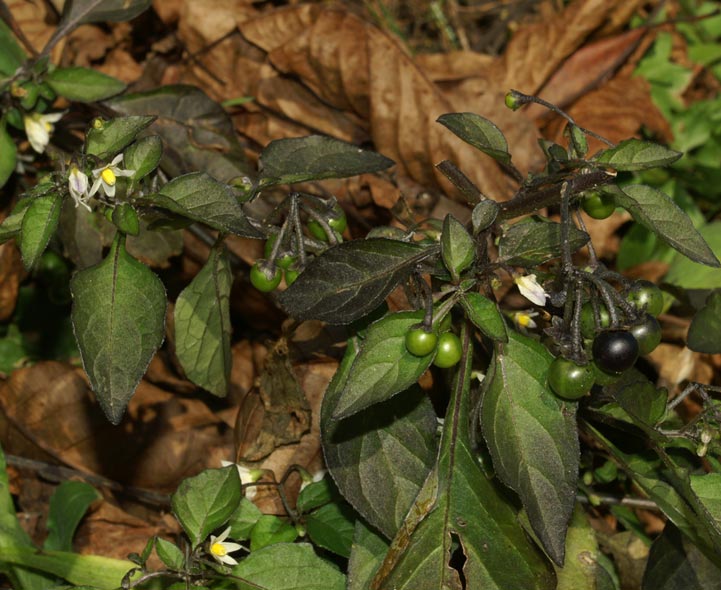
Photograph courtesy of Primerki
Red dead-nettle
Black nightshade
Groundsel
Redshank
- Latin Name: Solanum nigrum.
- Sometimes called hound's berry or wonder Berry.
- A member of the Solanum family and a close relative of the popular red-berried houseplant seen at Christmas.
- In many parts of the world the ripe black berries are collected and eaten but it is seldom used for this purpose in Europe.
- Widely used in eastern medicine as an antioxidant and anti-inflammatory.
2 .
What is the name of this annual weed?
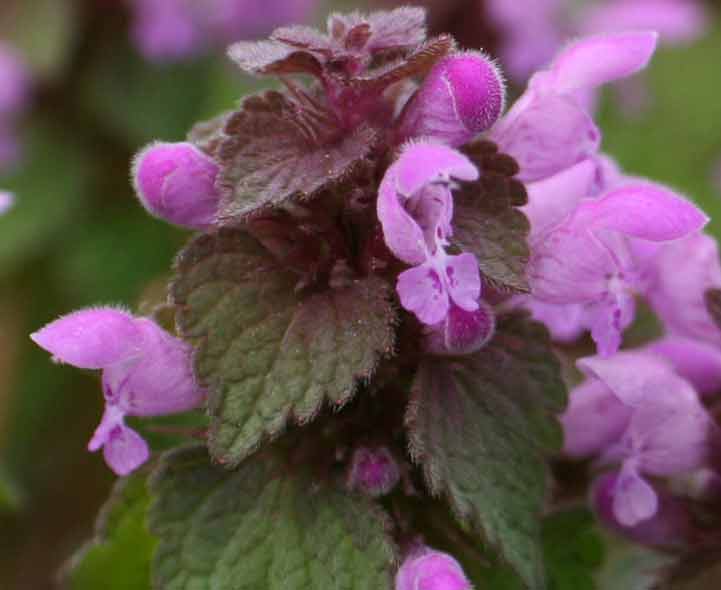
Photograph courtesy of Daniel J Layton
Cleavers
Common poppy
Red dead-nettle
Redshank
- Latin Name: Lamium purpureum.
- Unlike its close relations, it does not sting!
- Very valuable for bees because it flowers early in the year when there are few other flowering plants from which to gather nectar.
- Can be used as a spring vegetable but it doesn't taste very good!
3 .
What is the name of this annual weed?
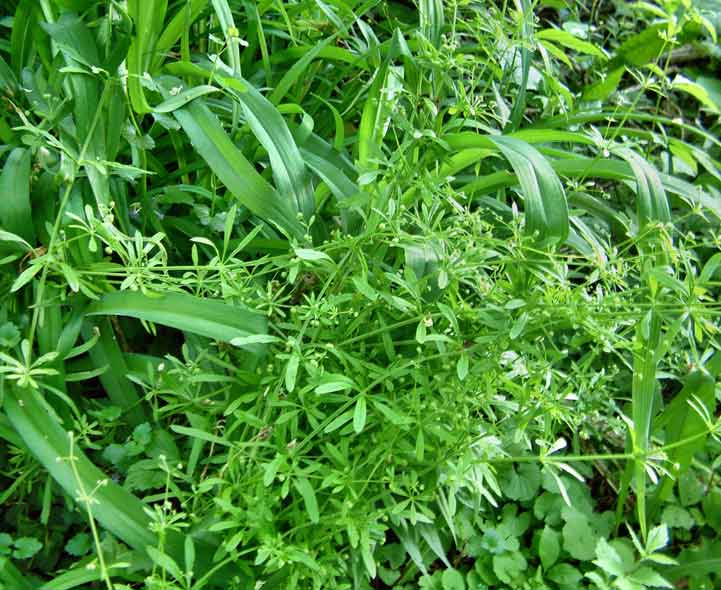
Photograph courtesy of www.flickr.com/photos/luschei/
Cleavers
Black nightshade
Scented mayweed
Redshank
- Latin Name: Galium aparine
- A greatly disliked weed known by various names such as beggar lice, cliver, goose-grass, goosebill, sticky-leaf, gripgrass, catchweed and robin-run-the-hedge.
- The leaves and stem are covered with hairs tipped with tiny hooks that make them cling to animal's fur and people's clothing.
- Most seeds germinate in the late summer or autumn.
4 .
What is the name of this annual weed?
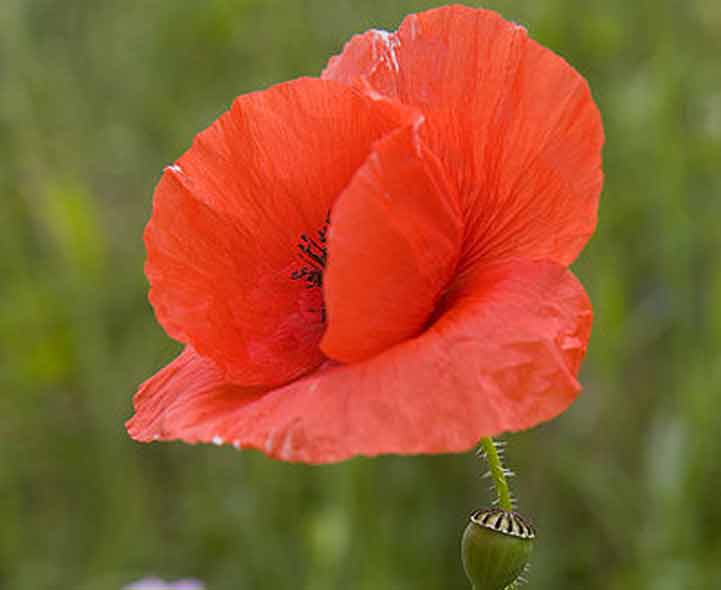
Photograph courtesy of MichaelMaggs
Redshank
Common poppy
Red dead-nettle
Cleavers
- Latin Name: Papaver rhoeas.
- The symbol of remembrance and part of the logo of the Royal British Legion.
- A close relative is grown for the production of opium!
- Sometimes known as the headache plant because its scent causes some people to have headaches.
- In arable crops it can appear in great abundance and some fields are estimated to have upwards of 20 million seeds per acre.
5 .
What is the name of this annual weed?
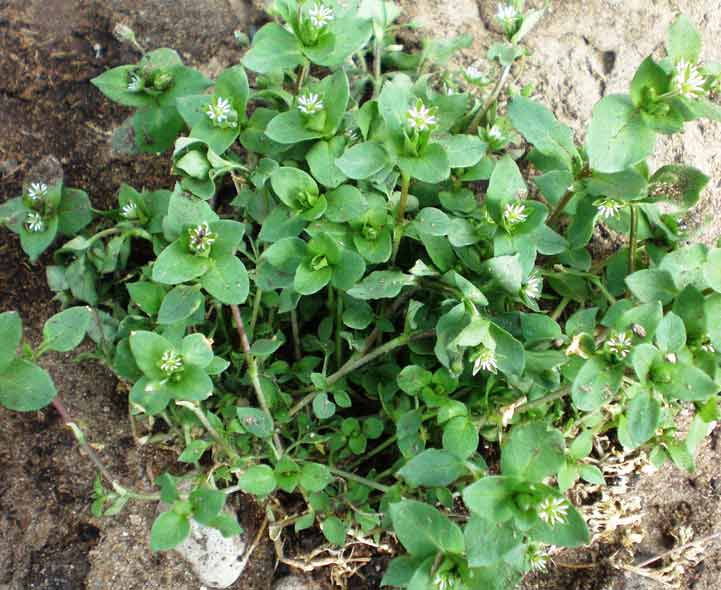
Photograph courtesy of Hugo.arg
Groundsel
Fat hen
Scented mayweed
Common chickweed
- Latin Name: Stellaria media.
- Sometimes known as chickenwort, craches, maruns and winterweed.
- Chickens love to eat it.
- Prefers moist conditions and is one of the first weeds to suffer in a drought.
- Usually germinates in late autumn or early spring and then rapidly forms a dense mat as soon as conditions improve in late spring and early summer.
6 .
What is the name of this annual weed?
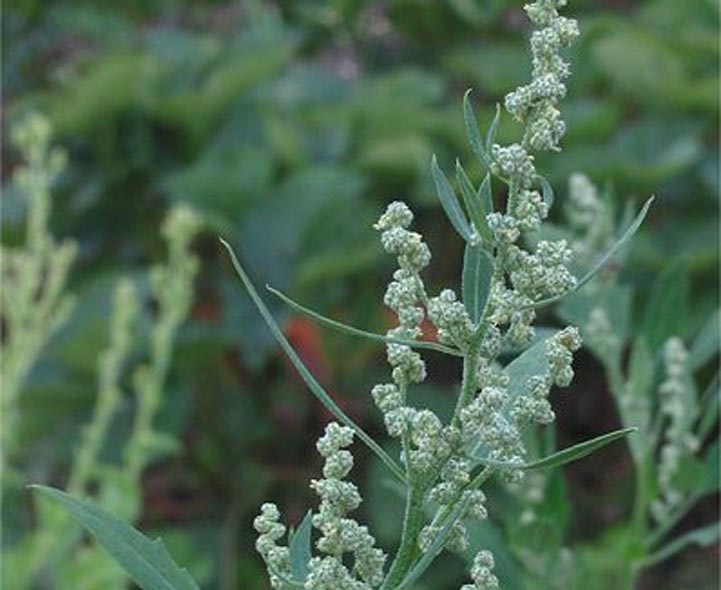
Photograph courtesy of Melganzenvoet bloeiwijze
Fat hen
Annual meadow grass
Cleavers
Redshank
- Latin Name: Chenopodium album.
- Sometimes known as lamb's quarters, goosefoot and pigweed.
- A very variable plant that can quickly adapt to soil conditions and its environment by changing its genetics! There are many 'micro species'.
- Cultivated as a vegetable crop in parts of Africa and India.
7 .
What is the name of this annual weed?
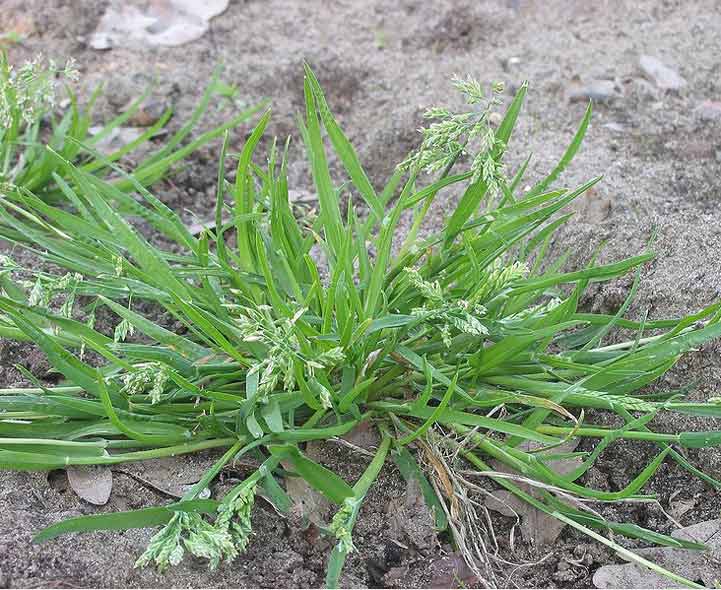
Cleavers
Fat hen
Annual meadow grass
Common chickweed
- Latin Name: Poa annua.
- Otherwise known as annual bluegrass.
- Grows rapidly from seed and can flower within 6 weeks.
- A single plant can produce over 2,000 seeds and therefore a garden can go from having one plant to having several million within the course of a summer.
- The moral is don't let it seed!
8 .
What is the name of this annual weed?
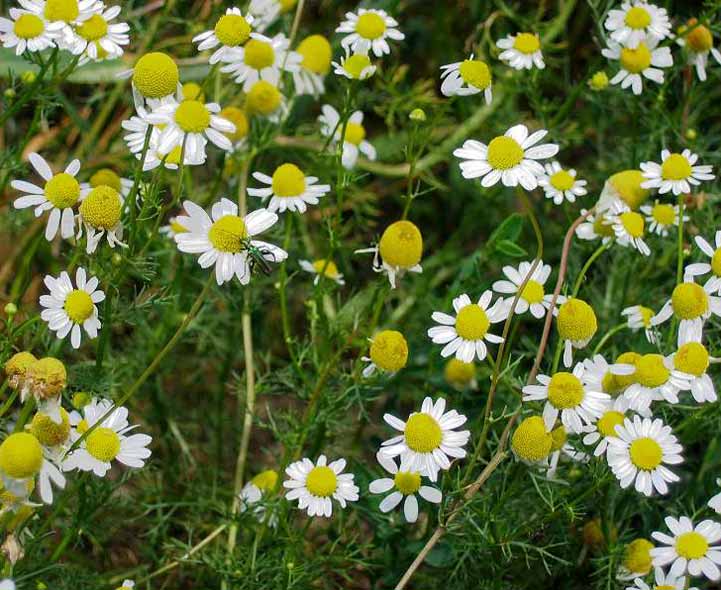
Photograph courtesy of Mussklprozz
Groundsel
Fat hen
Common chickweed
Scented mayweed
- Latin Name: Matricaria recutita.
- Sometimes known as wild chamomile, Hungarian chamomile or pineapple weed.
- Ladybirds love it!
- Used in medicine to treat irritable bowel syndrome and to induce sleep.
- Although classified as an annual, late germinating seedlings will overwinter and flower the next year.
- The plant has such a strong scent that it can taint the milk of cows that eat it.
9 .
What is the name of this annual weed?
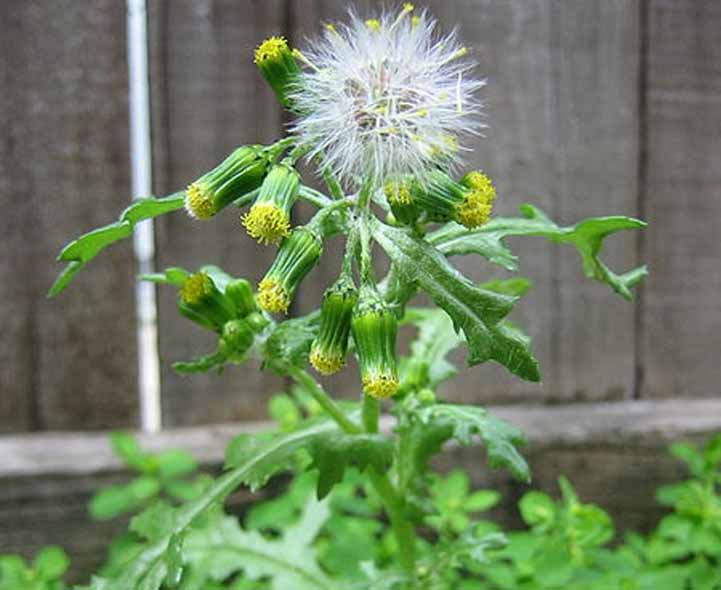
Photograph courtesy of Carol
Scented mayweed
Fat hen
Cleavers
Groundsel
- Latin Name: Senecio vulgaris.
- Very common in all areas of the UK.
- The plant does not grow very tall and is easy to kill by weeding or hoeing but it can be very troublesome because it occurs in great numbers.
- Sheds seed throughout the year and, in favourable conditions, these germinate almost as soon as they touch the ground!
10 .
What is the name of this annual weed?
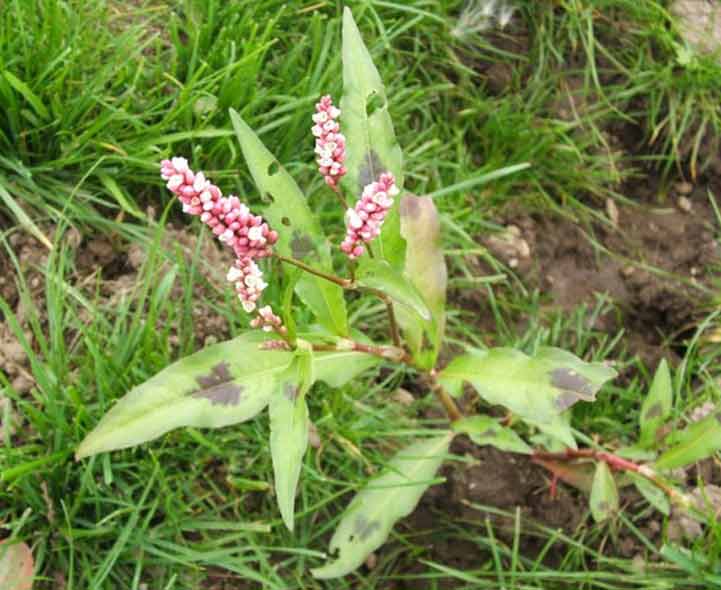
Photograph courtesy of www.geograph.org.uk/profile/22713
Redshank
Red dead-nettle
Cleavers
Common chickweed
- Latin Name: Persicaria maculosa.
- Commonly known as Persicaria, redleg and lady's-thumb.
- Loves soils that are moist and rich.
- The dark spots on the leaves are an aid to identification.
- Used to fight diarrhoea and infections.
- Seeds are dormant for at least 60 days after shedding - seeds produced in summer usually germinate the next spring.
- Leaves may be eaten as a vegetable.



**Unlimited Quizzes Await You! 🚀**
Hey there, quiz champ! 🌟 You've already tackled today's free questions.
Ready for more?
Ready for more?
🔓 Unlock UNLIMITED Quizzes and challenge yourself every day. But that's
not all...
not all...
🔥 As a Subscriber you can join our thrilling "Daily Streak" against other
quizzers. Try to win a coveted spot on our Hall of Fame Page.
quizzers. Try to win a coveted spot on our Hall of Fame Page.
Don't miss out! Join us now and keep the fun rolling. 🎉
**Unlimited Quizzes Await You! 🚀**
Hey there, quiz champ! 🌟 You've already tackled today's free questions. Ready for more?
🔓 Unlock UNLIMITED Quizzes and challenge yourself every day. But that's not all...
🔥 As a Subscriber you can join our thrilling "Daily Streak" against other quizzers. Try to win a coveted spot on our Hall of Fame Page.
Don't miss out! Join us now and keep the fun rolling. 🎉




© Copyright 2016-2026 - Education Quizzes
Work Innovate Ltd - Design | Development |
Marketing
