




Ask the AI Tutor
Need help with British Birds - Garden Birds 04 - Uncommon? Ask our AI Tutor!
AI Tutor - Lucy
Connecting with Tutor...
Please wait while we establish connection
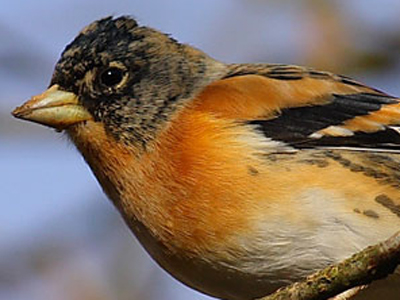
In Europe, this bird forms large flocks in the winter, sometimes with thousands or even millions of birds in a single flock.
British Birds - Garden Birds 04 - Uncommon
Uncommon garden birds might only appear at certain times of year or in harsh weather. This quiz helps you spot clues and identify them with confidence.
To see a larger image, click on the picture.
1 .
What is the name of this bird?
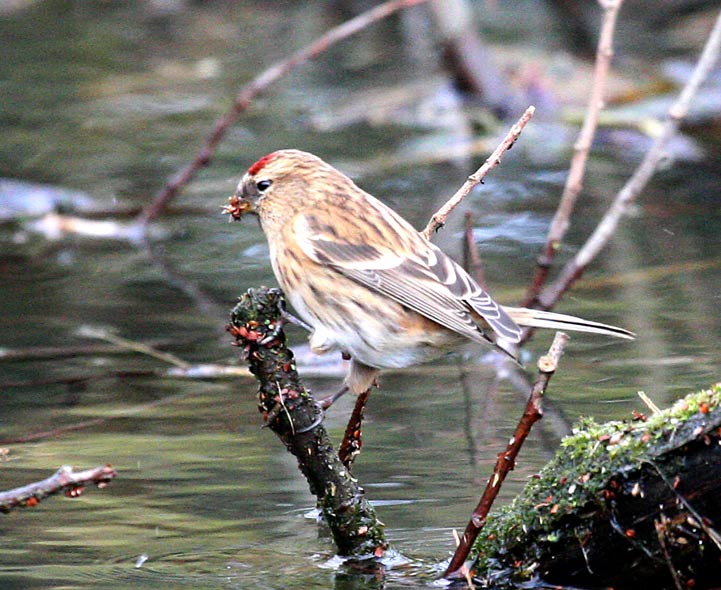
Photograph courtesy of Lawrie Phipps
Brambling
Eurasian Linnet
European Goldfinch
Lesser Redpoll
- Group: Finches
- Binomial: Carduelis cabaret
- Order: Passeriformes
- Family: Fringillidae
- Status: Resident Breeding Species
- It is a sociable bird which usually forages in flocks.
- Breeding pairs form in late winter. The breeding territory and several pairs will often nest close together in a loose colony.
2 .
What is the name of this bird?
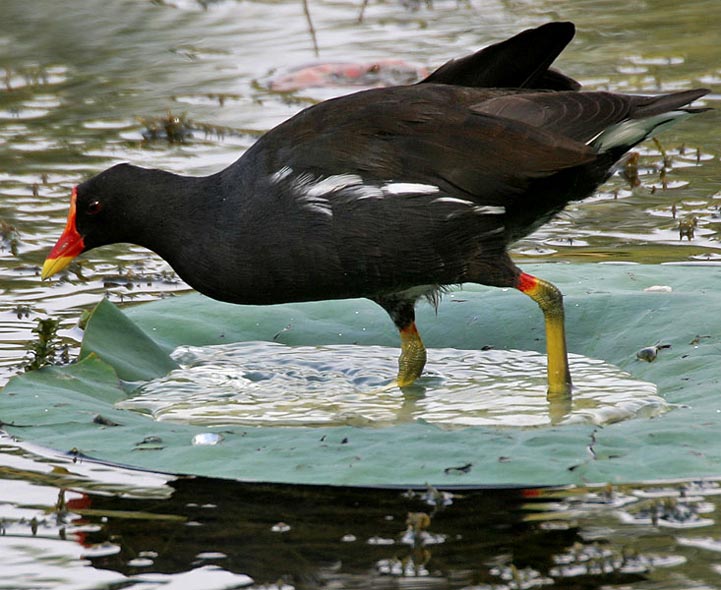
Photograph courtesy of J M Garg
Common Moorhen
Lapwing
Coot
Little Ringed Plover
- Group: Rails, Crakes and Coots
- Binomial: Gallinula chloropus
- Order: Gruiformes
- Family: Rallidae
- Status: Resident Breeding Species
- Tend to be solitary.
- Though they appear placid, fighting is common and often prolonged.
- Each bird strikes the other violently with the feet and even attempts to push or drag them underwater.
3 .
What is the name of this bird?
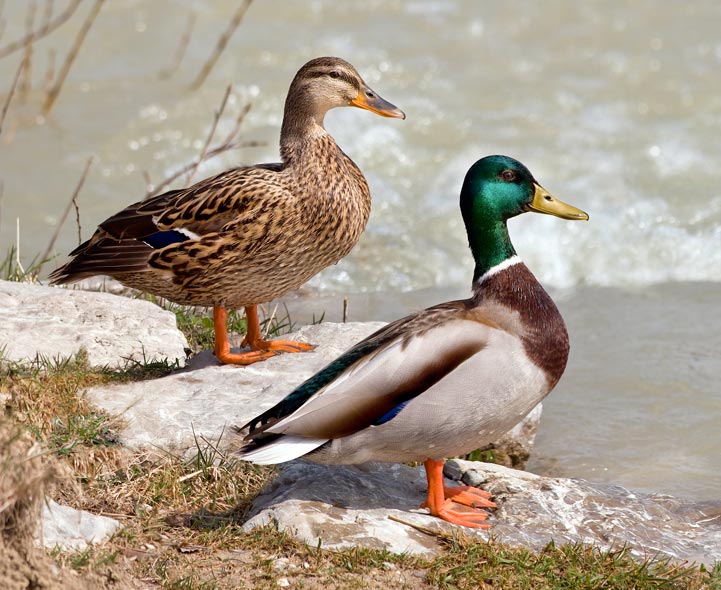
Photograph courtesy of Richard Bartz
Mallard
Red-breasted Merganser
Common Eider
Common Pochard
- Group: Ducks, Geese and Swans
- Binomial: Anas platyrhynchos
- Order: Anseriformes
- Family: Anatidae
- Status: Resident Breeder, Winter Visitor, And Naturalised Releases
- The commonest and most widespread duck.
- Seen even in urban areas.
- Is the ancestor of almost all of the varieties of domestic ducks.
4 .
What is the name of this bird?
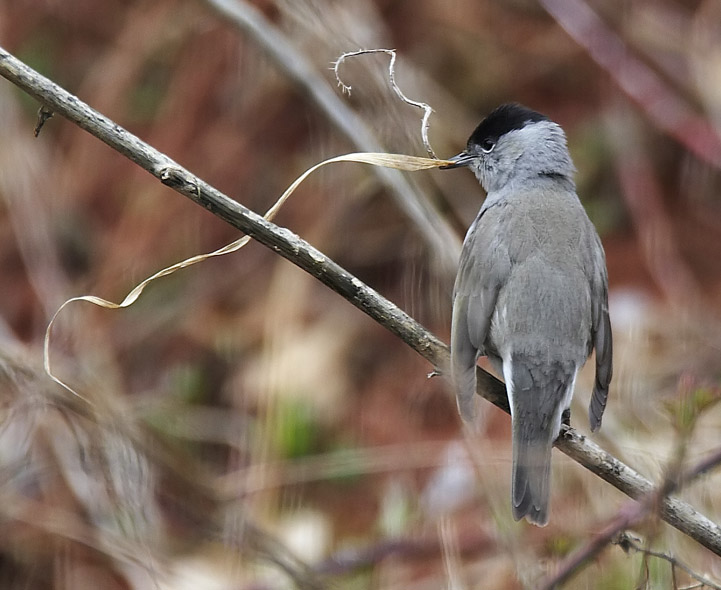
Photograph courtesy of Jakub Stanco
Blackcap
Cetti's Warbler
Wood Warbler
Eurasian Reed Warbler
- Group: Old World Warblers
- Binomial: Sylvia atricapilla
- Order: Passeriformes
- Family: Sylviidae
- Status: Resident Breeding Species & Summer Visitor
- The alarm call, 'tacc', sounds like two pebbles striking one another.
- Its song is a rich and varied warble, starting with a chattering and finishing with a flourish of flute-like notes.
5 .
What is the name of this bird?
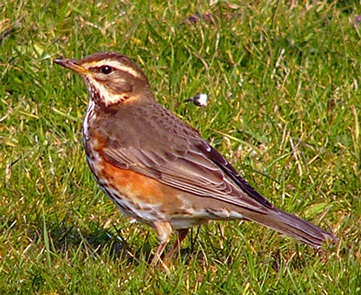
Photograph courtesy of http://photo-natur.de/
Mistle Thrush
Redwing
European Robin
Northern Wheatear
- Group: Thrushes
- Binomial: Turdus iliacus
- Order: Passeriformes
- Family: Turdidae
- Status: Winter Visitor
- They roam across the UK's countryside, feeding in fields and hedgerows.
- Rarely visit gardens, except in the coldest weather when snow covers the fields.
- Only a few pairs nest in the UK.
6 .
What is the name of this bird?
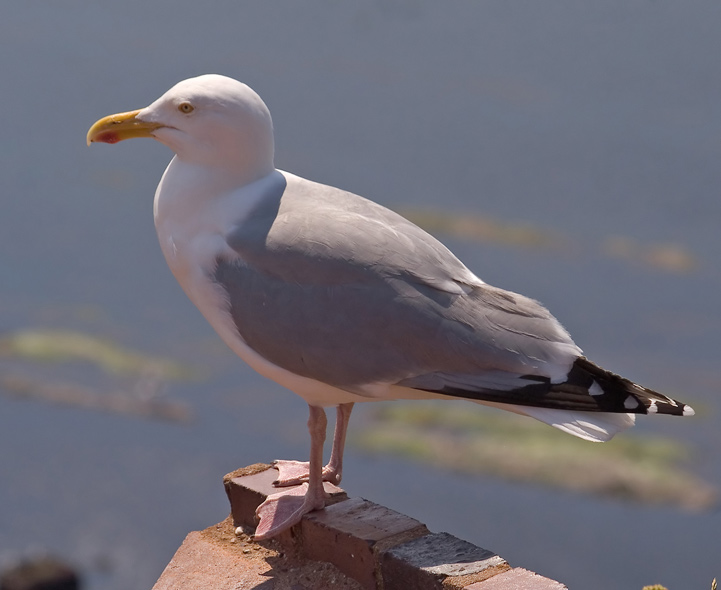
Photograph courtesy of Kurt Kulac
European Herring Gull
Black-headed Gull
Lesser Black-backed Gull
European Shag
- Group: Gulls
- Binomial: Larus argentatus
- Order: Charadriiformes
- Family: Laridae
- Status: Resident Breeding Species
- The most abundant and best known of its kind along the shores of western Europe.
- Also abundant around inland garbage dumps, and some have even adapted to life in inland cities.
7 .
What is the name of this bird?
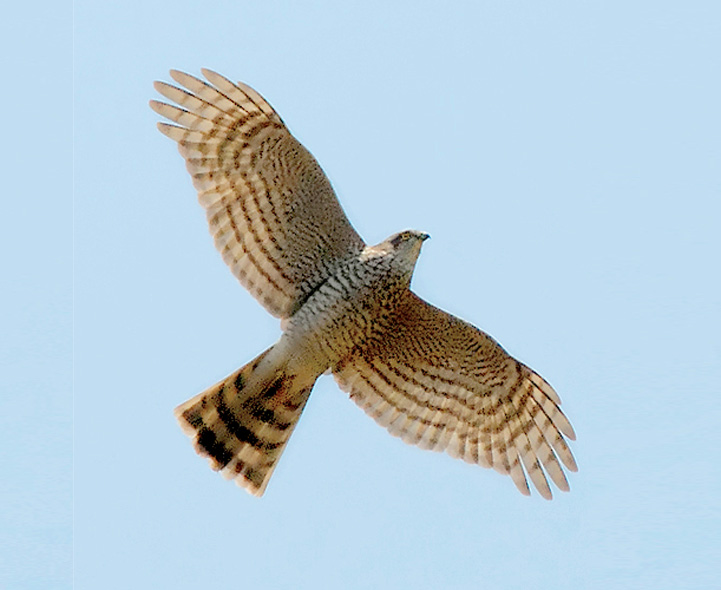
Photograph courtesy of Christian Knoch
Hen Harrier
Red Kite
Western Marsh Harrier
Eurasian Sparrowhawk
- Group: Buzzards, Kites and allies
- Binomial: Accipiter nisus
- Order: Falconiformes
- Family: Accipitridae
- Status: Resident Breeder And Passage Migrant
- The female is up to 25% larger than the male – one of the largest differences between the sexes in any bird species.
- The species features in Teutonic mythology.
8 .
What is the name of this bird?

Photograph courtesy of http://www.lucnix.be/main.php
Eurasian Jay
Rook
Common Raven
Hooded Crow
- Group: Crows and allies
- Binomial: Garrulus glandarius
- Order: Passeriformes
- Family: Corvidae
- Status: Resident Breeding Species
- Shy woodland birds, rarely moving far from cover.
- Famous for their acorn feeding habits and in the autumn you may see them burying acorns for retrieving later in the winter.
9 .
What is the name of this bird?
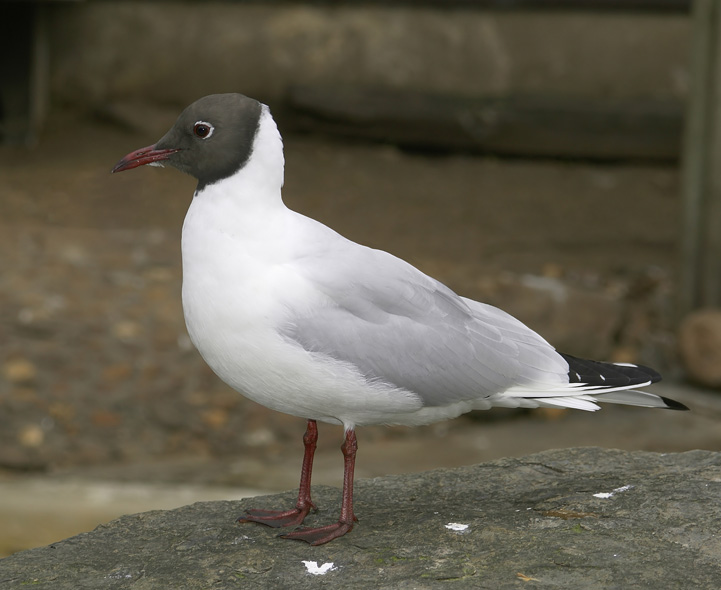
Photograph courtesy of Hans Hillewaert
Great Cormorant
Great Black-backed Gull
Black-headed Gull
Common Gull
- Group: Gulls
- Binomial: Larus ridibundus
- Order: Charadriiformes
- Family: Laridae
- Status: Resident Breeding Species
- Sociable, quarrelsome, noisy birds, usually seen in small groups or flocks.
- The eggs are considered a delicacy and eaten hard boiled.
- The character 'Kehaar' in Watership Down is this bird.
10 .
What is the name of this bird?
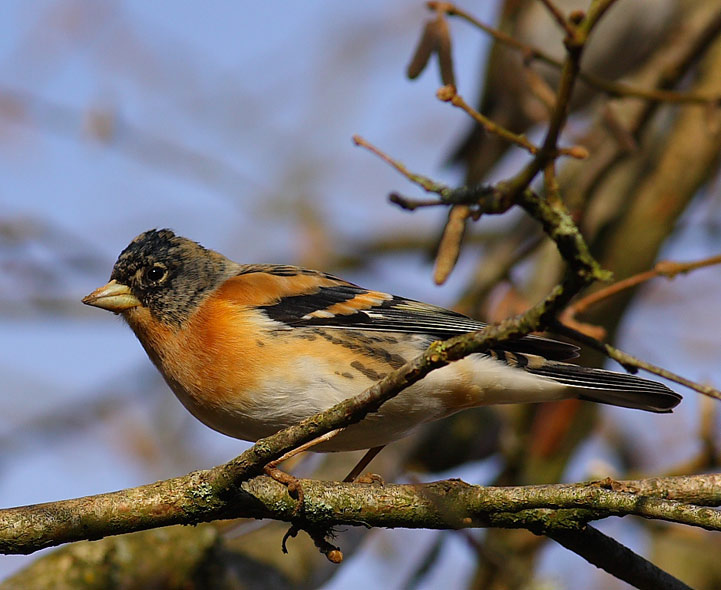
Photograph courtesy of http://www.marekszczepanek.pl/
Brambling
European Goldfinch
Lesser Redpoll
European Greenfinch
- Group: Finches
- Binomial: Fringilla montifringilla
- Order: Passeriformes
- Family: Fringillidae
- Status: Winter Visitor
- This species is almost entirely migratory.
- In Europe, it forms large flocks in the winter, sometimes with thousands or even millions of birds in a single flock.
- It has been called Cock o' the North.



**Unlimited Quizzes Await You! 🚀**
Hey there, quiz champ! 🌟 You've already tackled today's free questions.
Ready for more?
Ready for more?
🔓 Unlock UNLIMITED Quizzes and challenge yourself every day. But that's
not all...
not all...
🔥 As a Subscriber you can join our thrilling "Daily Streak" against other
quizzers. Try to win a coveted spot on our Hall of Fame Page.
quizzers. Try to win a coveted spot on our Hall of Fame Page.
Don't miss out! Join us now and keep the fun rolling. 🎉
**Unlimited Quizzes Await You! 🚀**
Hey there, quiz champ! 🌟 You've already tackled today's free questions. Ready for more?
🔓 Unlock UNLIMITED Quizzes and challenge yourself every day. But that's not all...
🔥 As a Subscriber you can join our thrilling "Daily Streak" against other quizzers. Try to win a coveted spot on our Hall of Fame Page.
Don't miss out! Join us now and keep the fun rolling. 🎉




© Copyright 2016-2026 - Education Quizzes
Work Innovate Ltd - Design | Development |
Marketing
