




Ask the AI Tutor
Need help with British Birds - Miscellaneous 04? Ask our AI Tutor!
AI Tutor - Lucy
Connecting with Tutor...
Please wait while we establish connection
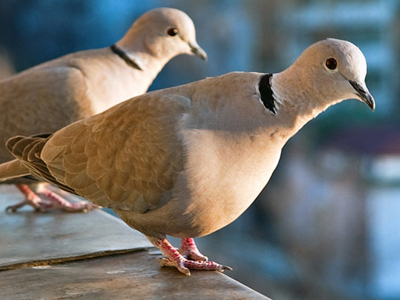
Very uncommon in the UK until the mid 1900s - now one of our most often seen birds. Do you recognise it?
British Birds - Miscellaneous 04
Some British birds are rare visitors, others are declining, and a few are easily mistaken for common species. This quiz helps you spot the differences.
To see a larger image, click on the picture.
1 .
What is the name of this bird?
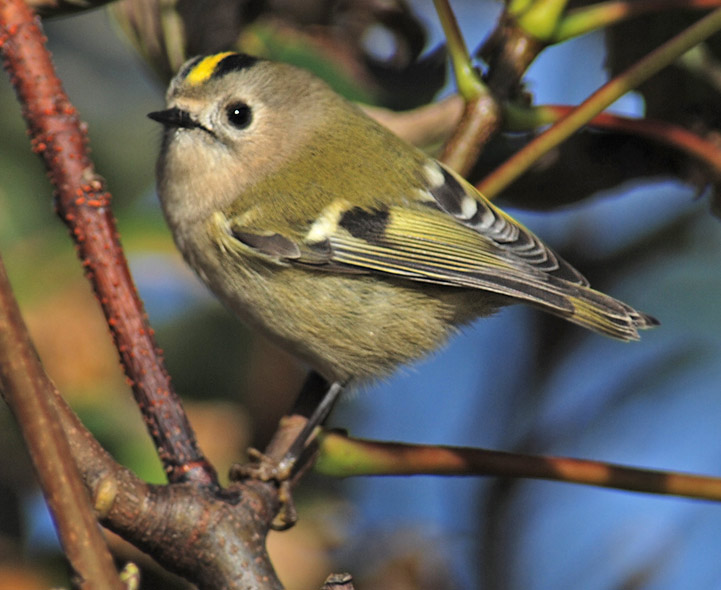
Photograph courtesy of 33138035@N07
Ring Ouzel
Goldcrest
Common Pied Oystercatcher
Shore Lark
- Group: Kinglets
- Binomial: Regulus regulus
- Order: Passeriformes.
- Family: Regulidae
- Status: Resident Breeding Species
- Called the 'king of the birds' in European folklore.
- The female is reluctant to leave the nest when disturbed, and has been recorded to stay in the nest when it is moved, or even when it is being held.
2 .
What is the name of this bird?
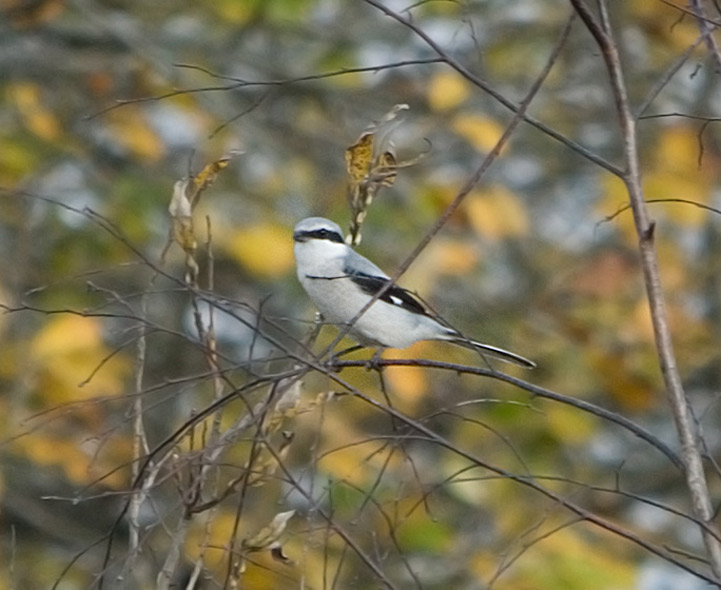
Photograph courtesy of Sergey Yeliseev
Goldcrest
Osprey
Great Grey Shrike
Shore Lark
- Group: Shrikes
- Binomial: Lanius excubitor
- Order: Passeriformes
- Family: Laniidae
- Status: Scarce Winter Visitor
- They are very territorial so you're unlikely to see more than one at once.
- Are often 'mobbed' by other birds which recognise them as dangerous predators.
- The black mask and grey plumage are distinctive.
3 .
What is the name of this bird?
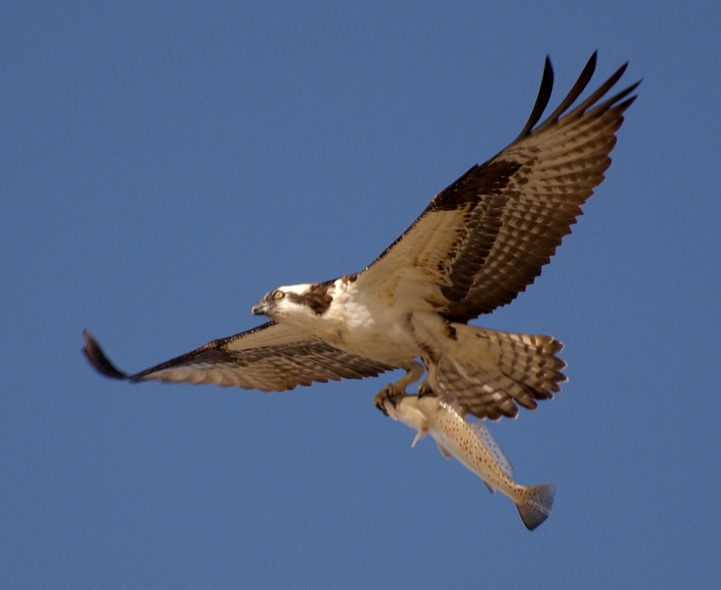
Photograph courtesy of Terry Ross
Osprey
Goldcrest
Twite
Collared Dove
- Group: Osprey
- Binomial: Pandion haliaetus
- Order: Falconiformes
- Family: Pandionidae
- Status: Breeding Summer Visitor
- Sometimes known as the sea hawk or fish eagle.
- It is unusual in that it is a single living species that occurs nearly worldwide.
- Has vision that is adapted to detecting underwater objects from the air.
4 .
What is the name of this bird?
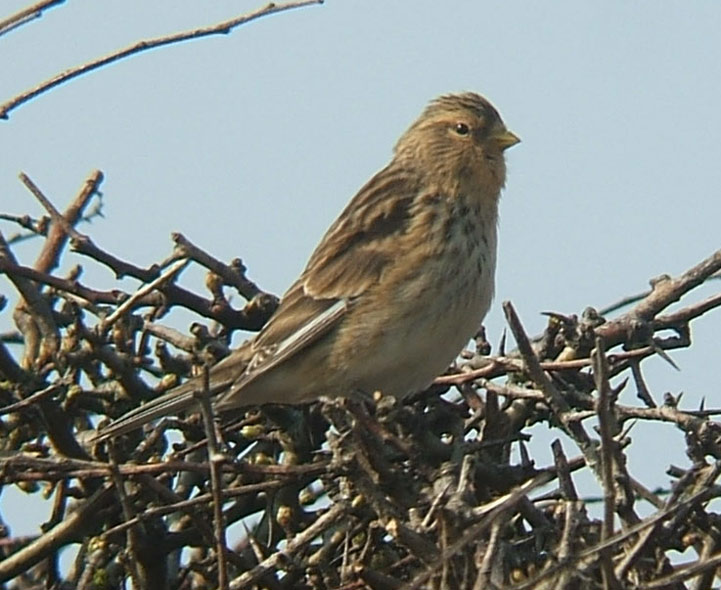
Photograph courtesy of Unknown
Shore Lark
Twite
Common Pied Oystercatcher
Skylark
- Group: Finches
- Binomial: Carduelis flavirostris
- Order: Passeriformes
- Family: Fringillidae
- Status: Resident Breeding Species
- Treeless moorland is favoured for breeding.
- This species can form large flocks outside the breeding season, sometimes mixed with other finches on coasts and salt marshes.
5 .
What is the name of this bird?
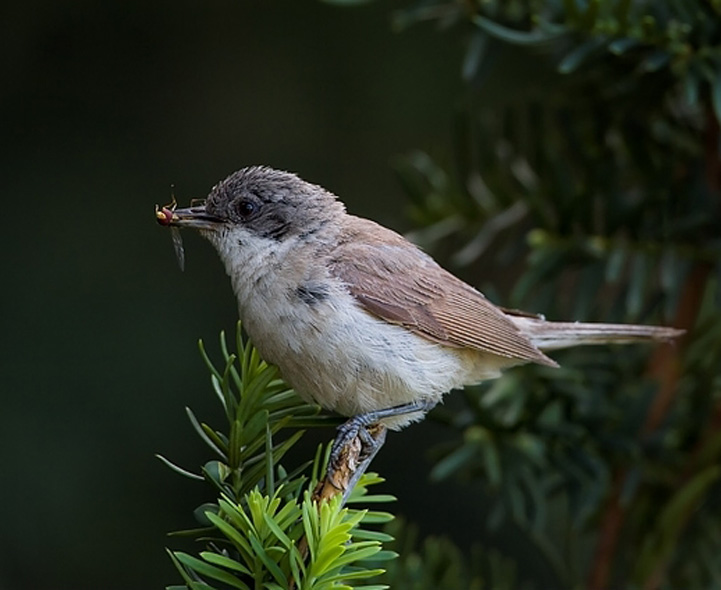
Photograph courtesy of http://www.photomecan.eu/
Lesser Whitethroat
Twite
Common Pied Oystercatcher
Collared Dove
- Group: Old World Warblers
- Binomial: Sylvia curruca
- Order: Passeriformes
- Family: Sylviidae
- Status: Breeding Summer Visitor
- Unlike many typical warblers, the sexes are almost identical.
- It is quite skulking and often only noticed when it gives its rattling song, or 'tacking' call.
- Best located by its song and calls.
6 .
What is the name of this bird?
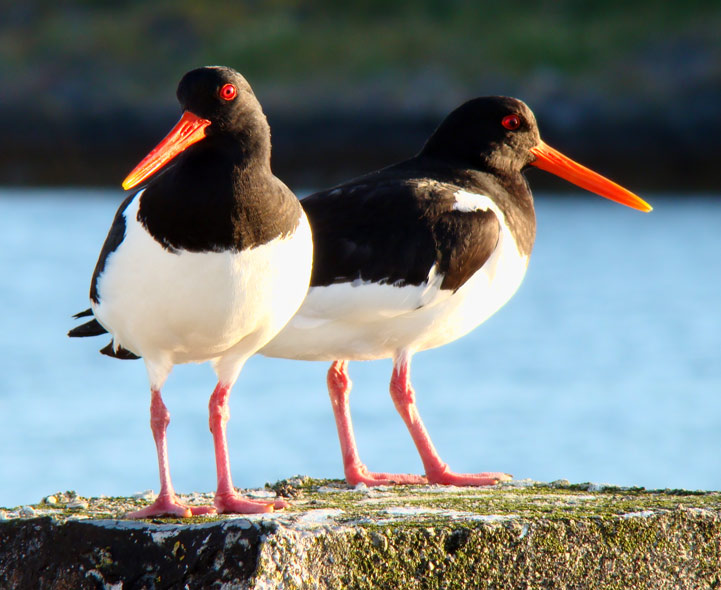
Photograph courtesy of www.bjornfree.com/galleries.html
Ring Ouzel
Collared Dove
Common Pied Oystercatcher
Shore Lark
- Group: Oystercatchers
- Binomial: Haematopus ostralegus
- Order: Charadriiformes
- Family: Haematopodidae
- Status: Resident Breeding Species
- They are obvious and noisy plover-like birds, with black and white plumage, red legs and strong broad red bills.
- The bills are used for smashing or prising open molluscs such as mussels or for finding earthworms.
7 .
What is the name of this bird?
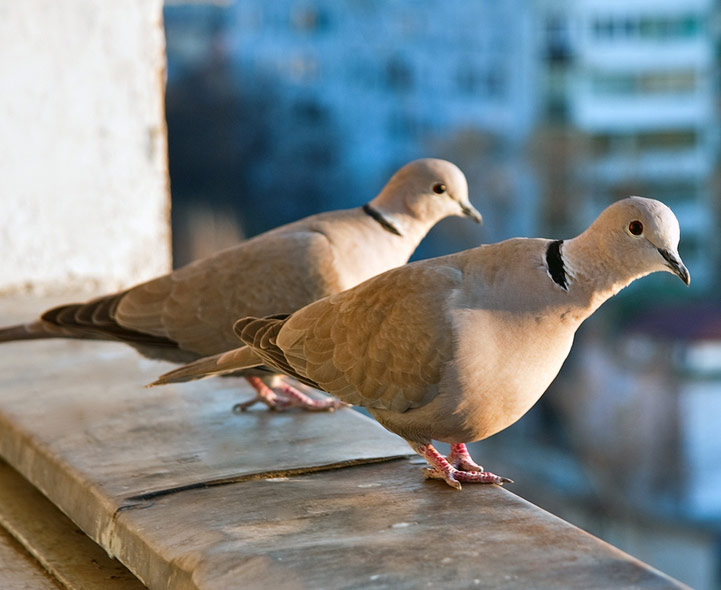
Photograph courtesy of Horia Varlan
Shore Lark
Common Pied Oystercatcher
Ring Ouzel
Collared Dove
- Group: Pigeons and Doves
- Binomial: Streptopelia decaocto
- Order: Columbiformes
- Family: Columbidae
- Status: Resident Breeding Species
- Adults have a black and white collar around the back of the neck but this is missing in young birds.
- Very uncommon in the UK until the mid 1900's - now one of our most often seen birds.
8 .
What is the name of this bird?
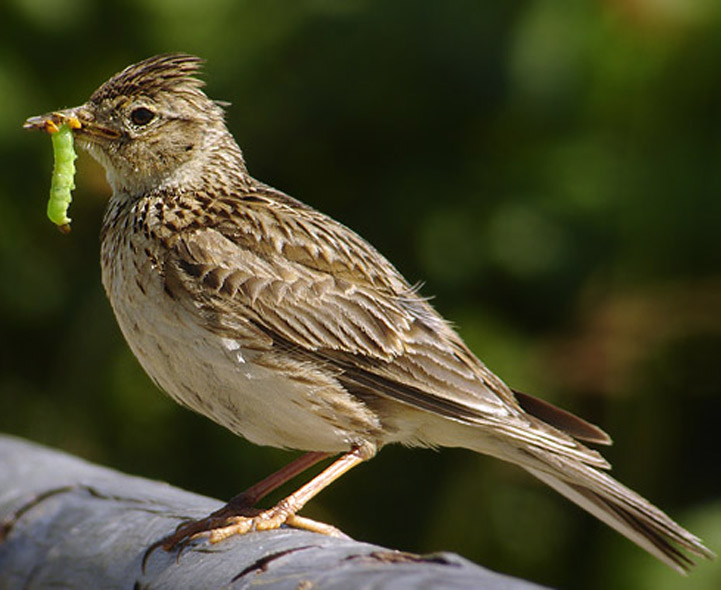
Photograph courtesy of Daniel Pettersson
Goldcrest
Twite
Shore Lark
Skylark
- Group: Larks
- Binomial: Alauda arvensis
- Order: Passeriformes
- Family: Alaudidae
- Status: Resident Breeding Species
- It is renowned for its song flight.
- The male bird rises vertically from the ground high in the air where it remains stationary for several minutes on fluttering wings before parachuting back down to the ground.
9 .
What is the name of this bird?
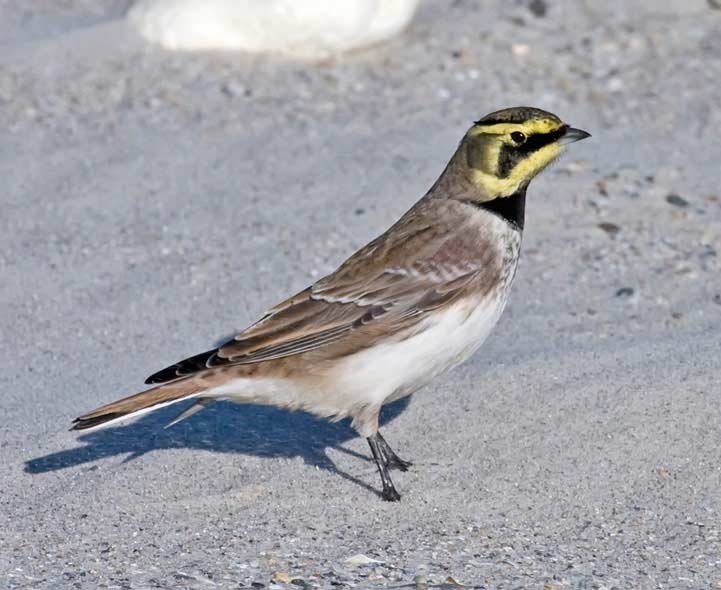
Photograph courtesy of http://photo-natur.de/
Ring Ouzel
Goldcrest
Shore Lark
Lesser Whitethroat
- Group: Larks
- Binomial: Eremophila alpestris
- Order: Passeriformes
- Family: Alaudidae
- Status: Scarce Winter Visitor And Passage Migrant
- This is a bird of open ground.
- They are almost exclusively coastal birds.
- Watch for them shuffling their way across shingle and sandy beaches.
10 .
What is the name of this bird?
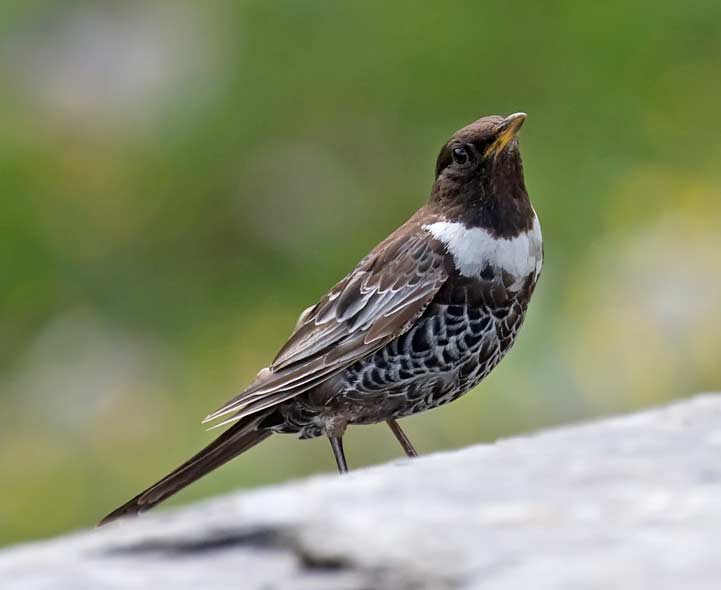
Photograph courtesy of http://photo-natur.de/
Ring Ouzel
Osprey
Twite
Great Grey Shrike
- Group: Thrushes
- Binomial: Turdus torquatus
- Order: Passeriformes
- Family: Turdidae
- Status: Breeding Summer Visitor
- It is primarily a bird of the uplands, breeding mainly in steep sided valleys from near sea level in Scotland up to 1,200m in the Cairngorms.
- The young are fed a diet consisting mainly of earthworms and beetles.



**Unlimited Quizzes Await You! 🚀**
Hey there, quiz champ! 🌟 You've already tackled today's free questions.
Ready for more?
Ready for more?
🔓 Unlock UNLIMITED Quizzes and challenge yourself every day. But that's
not all...
not all...
🔥 As a Subscriber you can join our thrilling "Daily Streak" against other
quizzers. Try to win a coveted spot on our Hall of Fame Page.
quizzers. Try to win a coveted spot on our Hall of Fame Page.
Don't miss out! Join us now and keep the fun rolling. 🎉
**Unlimited Quizzes Await You! 🚀**
Hey there, quiz champ! 🌟 You've already tackled today's free questions. Ready for more?
🔓 Unlock UNLIMITED Quizzes and challenge yourself every day. But that's not all...
🔥 As a Subscriber you can join our thrilling "Daily Streak" against other quizzers. Try to win a coveted spot on our Hall of Fame Page.
Don't miss out! Join us now and keep the fun rolling. 🎉




© Copyright 2016-2026 - Education Quizzes
Work Innovate Ltd - Design | Development |
Marketing
