




Ask the AI Tutor
Need help with British Birds - Tits, Treecreepers and Woodpeckers? Ask our AI Tutor!
AI Tutor - Lucy
Connecting with Tutor...
Please wait while we establish connection
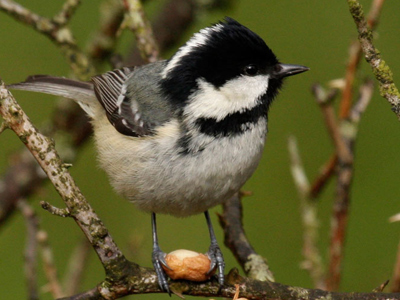
The surest way to distinguish this bird is by the white patch on the back of its neck.
British Birds - Tits, Treecreepers and Woodpeckers
Tits, treecreepers and woodpeckers are woodland favourites with bold patterns and busy behaviour. Learn the clues to spot them, from climbing style to drumming and calls.
To see a larger image, click on the picture.
1 .
What is the name of this bird?
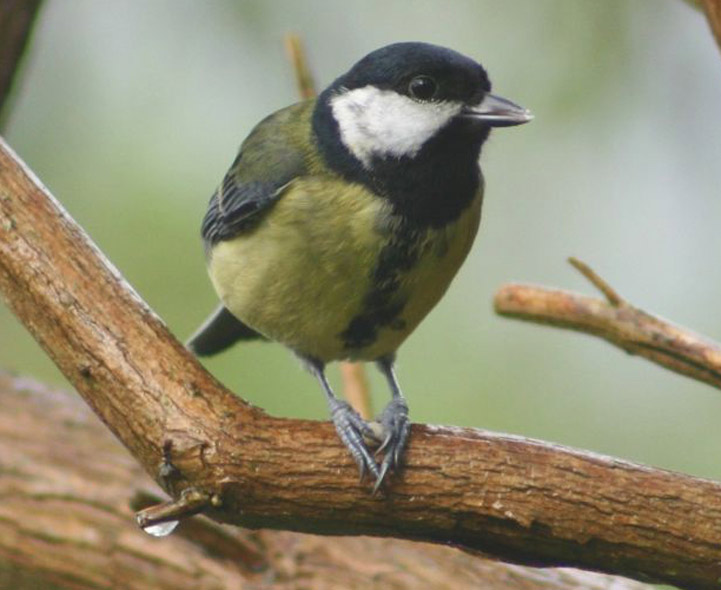
Photograph courtesy of Barney Livingston
Willow Tit
Blue Tit
Great Tit
Green Woodpecker
- Group: Tits
- Binomial: Parus major
- Order: Passeriformes
- Family: Paridae
- Status: Resident Breeding Species
- The largest of the UK tits
- There is a prominent black stripe down the whole of the front
- Widely distributed in the UK but not found on the Northern and Western Isles of Scotland
2 .
What is the name of this bird?
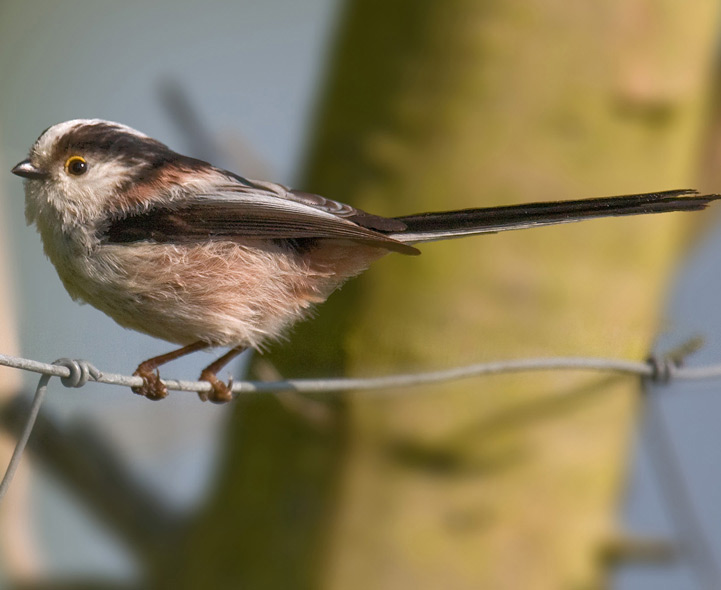
Photograph courtesy of http://photo-natur.de/
Long-tailed Tit
Coal Tit
Great Spotted Woodpecker
Green Woodpecker
- Group: Long-tailed Tits
- Binomial: Aegithalos caudatus
- Order: Passeriformes
- Family: Aegithalidae
- Status: Resident Breeding Species
- Adult birds are predominatly pinkish-white
- The longest tail of any British bird in relation to its body
- Scientifically this is NOT in the same family as the Blue Tit and the Great Tit
3 .
What is the name of this bird?
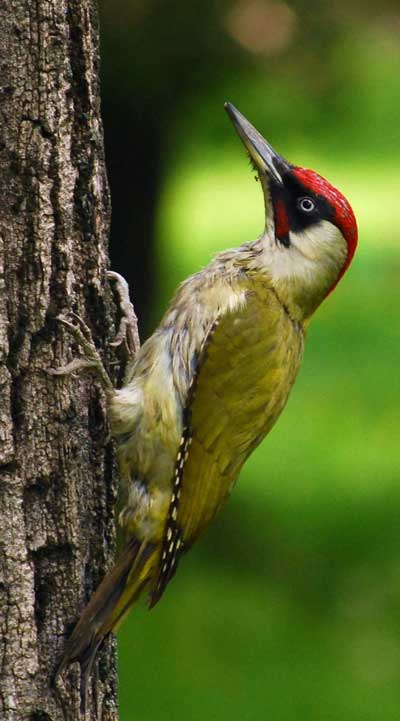
Photograph courtesy of Andrei Stroe
Willow Tit
Great Spotted Woodpecker
Green Woodpecker
Marsh Tit
- Group: Woodpeckers
- Binomial: Picus viridis
- Order: Piciformes
- Family: Picidae
- Status: Resident Breeding Species
- Spends much of its time feeding on ants on the ground.
- The tongue is long (10 cm) and has to be curled around its skull.
- 'Yaffle' was an English folk name for this bird.
4 .
What is the name of this bird?
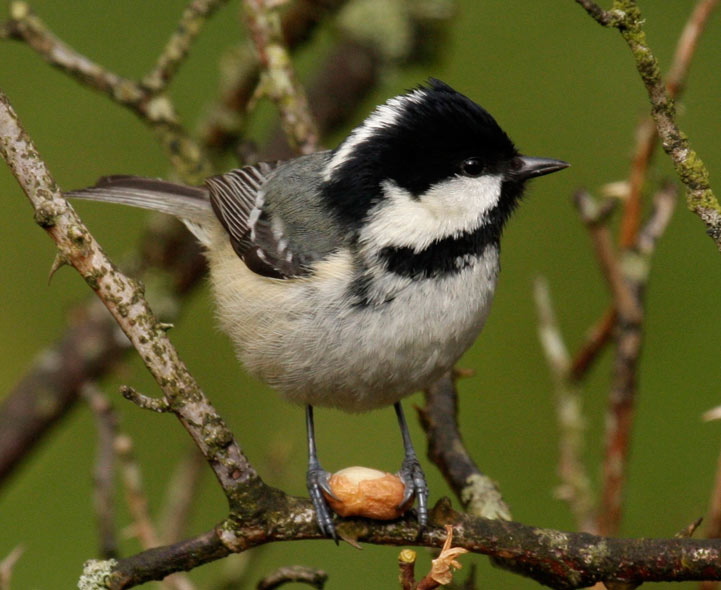
Photograph courtesy of Tom Tarrant (Aviceda)
Great Spotted Woodpecker
Lesser Spotted Woodpecker
Coal Tit
Crested Tit
- Group: Tits
- Binomial: Parus ater
- Order: Passeriformes
- Family: Paridae
- Status: Resident Breeding Species
- The smallest tit in the whole of Europe
- Behaviour is similar to that of Blue tits but there is no blue in its plumage
- The surest way to distinguish the bird from other tits is by the white patch on the back of its neck
5 .
What is the name of this bird?
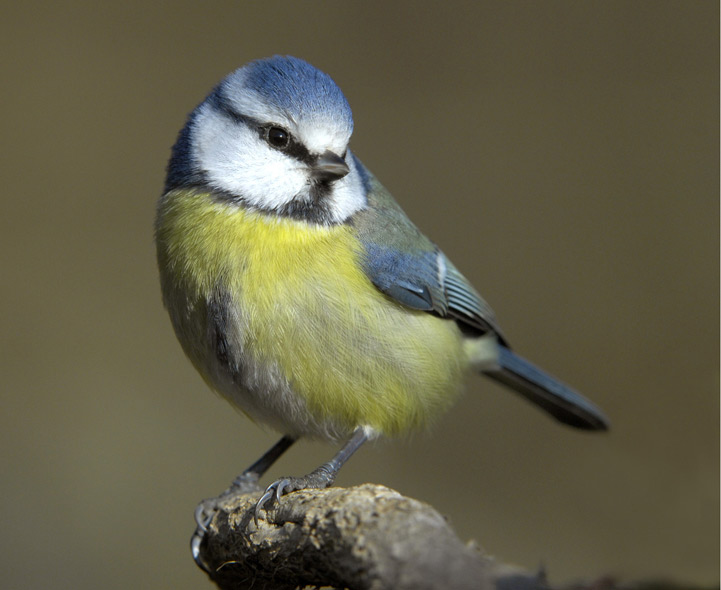
Photograph courtesy of Maximilian Dorsch
Willow Tit
Great Spotted Woodpecker
Marsh Tit
Blue Tit
- Group: Tits
- Binomial: Parus caeruleus
- Order: Passeriformes
- Family: Paridae
- Status: Resident Breeding Species
- Both sexes have similar colouring but the females are slightly paler
- Smaller than the Great Tit and without the prominent black stripe down its front
- It does not migrate
6 .
What is the name of this bird?
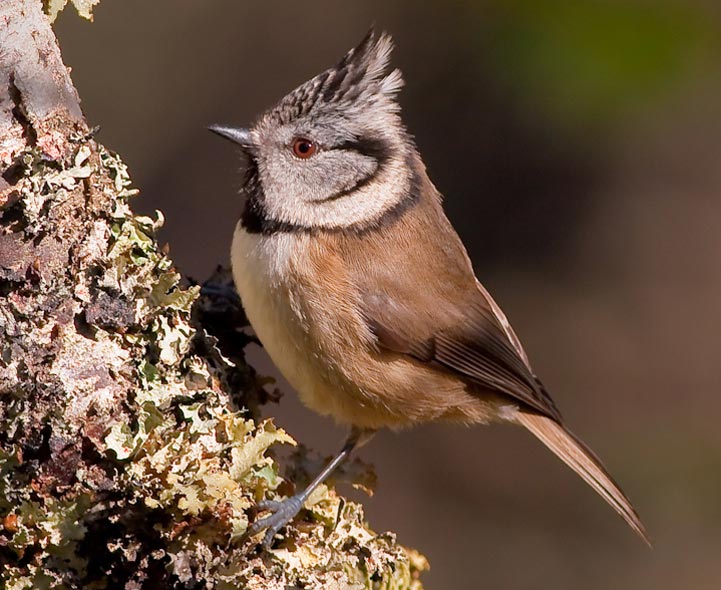
Photograph courtesy of Mark Medcalf
Lesser Spotted Woodpecker
Crested Tit
Marsh Tit
Blue Tit
- Group: Tits
- Binomial: Parus cristatus
- Order: Passeriformes
- Family: Paridae
- Status: Resident Breeding Species
- It is chiefly restricted to the ancient pinewoods of Inverness and Strathspey in Scotland, and seldom strays far from its haunts.
- Although not shy, it is not always easily approached.
7 .
What is the name of this bird?
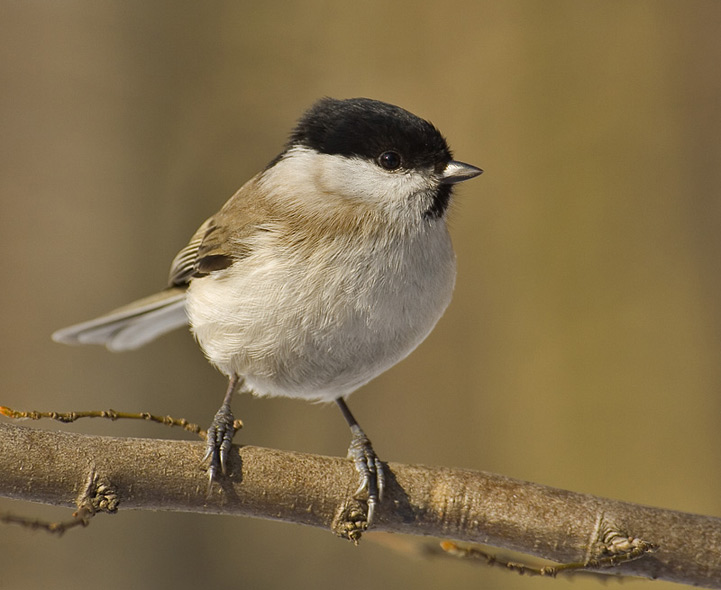
Photograph courtesy of Stawek Staszczuk
Blue Tit
Crested Tit
Long-tailed Tit
Marsh Tit
- Group: Tits
- Binomial: Parus palustris
- Order: Passeriformes
- Family: Paridae
- Status: Resident Breeding Species
- The global population includes between 6.1 million and 12 million birds in Europe alone.
- Individual birds can have more than five songs, which they use interchangeably.
- The call sounds like a ringing sneeze.
8 .
What is the name of this bird?
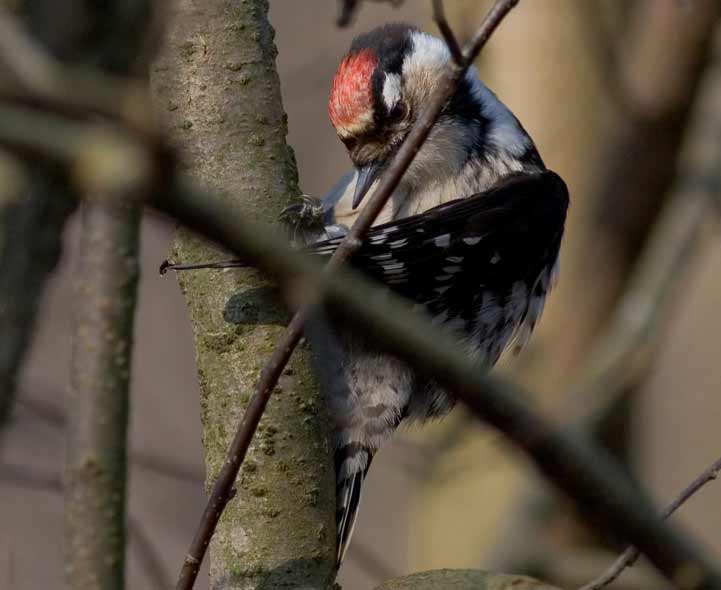
Photograph courtesy of Thermos
Long-tailed Tit
Crested Tit
Lesser Spotted Woodpecker
Willow Tit
- Group: Woodpeckers
- Binomial: Dendrocopos minor
- Order: Piciformes
- Family: Picidae
- Status: Resident Breeding Species
- From its small size and its habit of spending most of its time in the tops of tall trees in woods and parks, this bird is often overlooked, but if sighted on a trunk it may at once be identified by the broad barring on the wings.
9 .
What is the name of this bird?
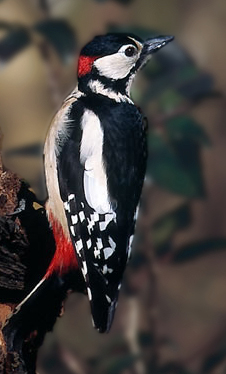
Photograph courtesy of Steffen Hannert
Coal Tit
Great Spotted Woodpecker
Crested Tit
Green Woodpecker
- Group: Woodpeckers
- Binomial: Dendrocopos major
- Order: Piciformes
- Family: Picidae
- Status: Resident Breeding Species
- It has a very distinctive bouncing flight.
- The species has recently recolonized Ireland.
- Spends most of its time clinging to tree trunks and branches.
- Distinctive spring 'drumming' display.
10 .
What is the name of this bird?
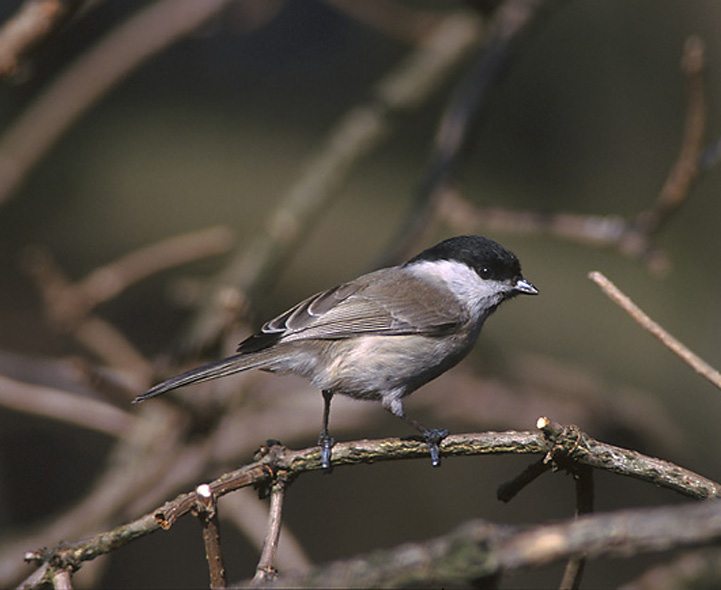
Photograph courtesy of http://www.marekszczepanek.pl/
Green Woodpecker
Willow Tit
Great Tit
Blue Tit
- Group: Tits
- Binomial: Parus montana
- Order: Passeriformes
- Family: Paridae
- Status: Resident Breeding Species
- Often excavates its own nesting hole, even piercing hard bark.
- Most nests are cups of felted material, such as fur, hair and wood chips, but feathers are sometimes used.
- Eggs varies from six to nine.



**Unlimited Quizzes Await You! 🚀**
Hey there, quiz champ! 🌟 You've already tackled today's free questions.
Ready for more?
Ready for more?
🔓 Unlock UNLIMITED Quizzes and challenge yourself every day. But that's
not all...
not all...
🔥 As a Subscriber you can join our thrilling "Daily Streak" against other
quizzers. Try to win a coveted spot on our Hall of Fame Page.
quizzers. Try to win a coveted spot on our Hall of Fame Page.
Don't miss out! Join us now and keep the fun rolling. 🎉
**Unlimited Quizzes Await You! 🚀**
Hey there, quiz champ! 🌟 You've already tackled today's free questions. Ready for more?
🔓 Unlock UNLIMITED Quizzes and challenge yourself every day. But that's not all...
🔥 As a Subscriber you can join our thrilling "Daily Streak" against other quizzers. Try to win a coveted spot on our Hall of Fame Page.
Don't miss out! Join us now and keep the fun rolling. 🎉




© Copyright 2016-2026 - Education Quizzes
Work Innovate Ltd - Design | Development |
Marketing
