




Ask the AI Tutor
Need help with Geology - Minerals? Ask our AI Tutor!
AI Tutor - Lucy
Connecting with Tutor...
Please wait while we establish connection
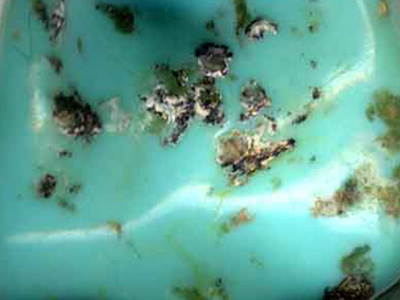
This mineral has been mined in Iran since the ancient Persian era.
Geology - Minerals
Minerals are natural solids that make up rocks and many everyday materials. Explore how we identify minerals using simple tests like hardness, lustre and crystal shape.
To see a larger image, click on the picture.
1 .
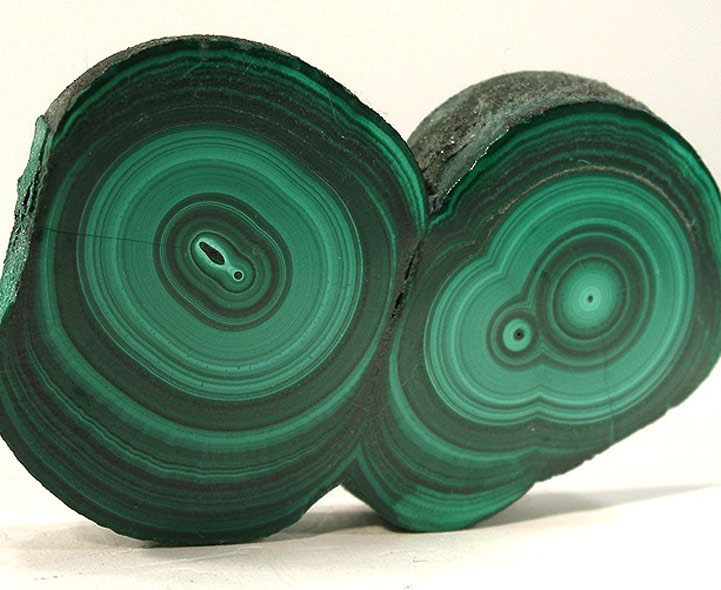
What is this mineral known as?
Photograph courtesy of http://www.irocks.com/
Nickel
Turquoise
Malachite
Emerald
- Category: Carbonate mineral
- Chemical formula: Cu2CO3(OH)2
- Strunz classification: 05.BA.10
- A very popular mineral, not least because of its striking colour and bands.
- It has been polished and carved into ornaments for thousands of years.
- In some ancient civilisations it was considered a protection from evil if worn as jewellery.
2 .
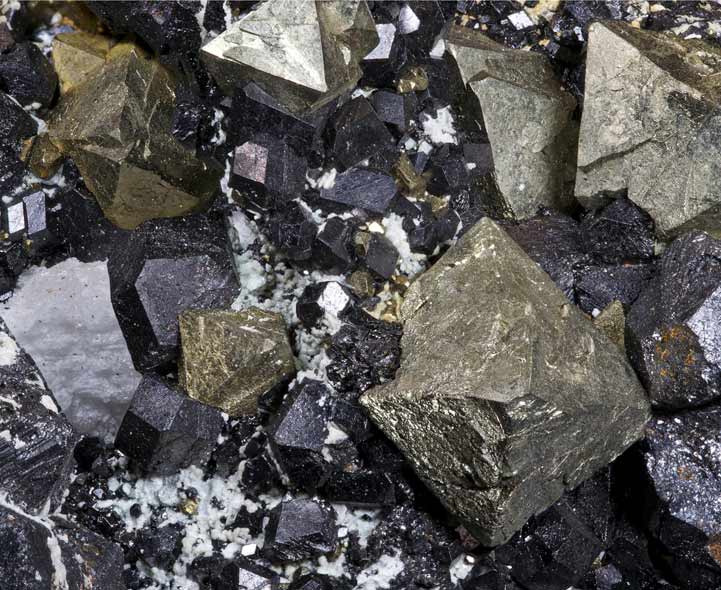
What is this mineral known as?
Photograph courtesy of Archaeodontosaurus
Copper
Diamond
Magnetite
Feldspar
- Category: Oxide minerals - Spinel group
- Chemical formula: iron(II,III) oxide, Fe3O4
- Strunz classification: 04.BB.05
- Best known as being strongly attracted to magnets.
- One form of this mineral is lodestone, a natural magnet.
- This mineral will rust if kept in a moist area.
- Is used in the coating process of boilers.
3 .
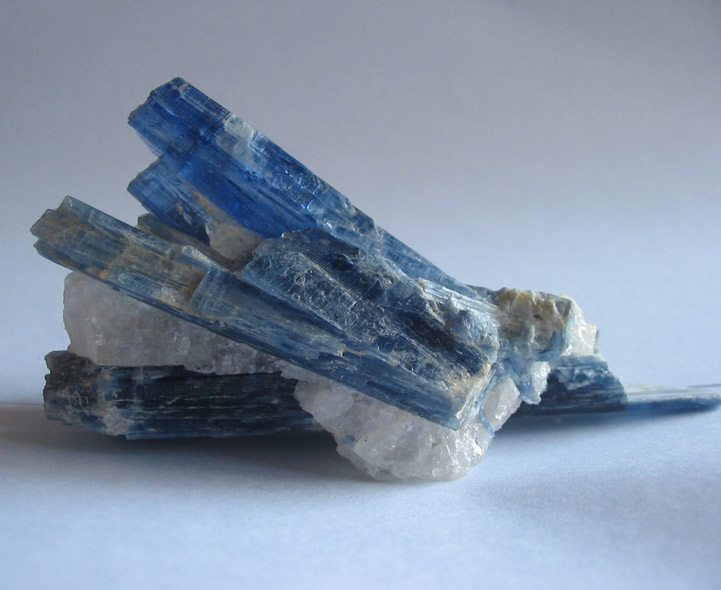
What is this mineral known as?
Photograph courtesy of Aelwyn
Kyanite
Diamond
Aluminium
Fluorite
- Category: Silicate mineral
- Chemical formula: Al2SiO5
- An attractive mineral, almost always blue in colour.
- Unusual in that it has a large variation of hardness in the same crystal face.
- Has a high melting point and low thermal conductance.
- Used in the manufacture of spark plugs, ceramic products and dishware.
4 .
What is this mineral known as?
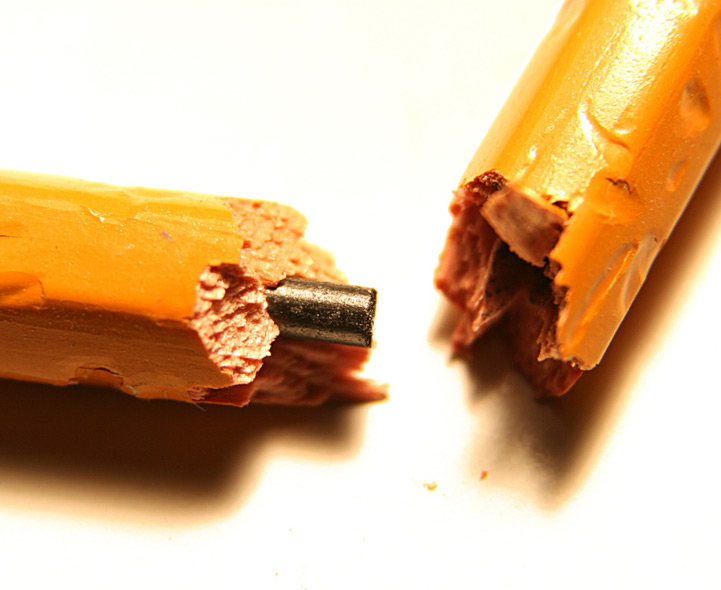
Photograph courtesy of emagic
Iron
Graphite
Lead
Tin
- Category: Native element mineral
- Chemical formula: C
- Strunz classification: 01.CB.05a
- Has the same chemical composition as diamond, but a very different atomic structure.
- A brittle mineral which needs careful handling.
- Most of the commercially mined mineral is used for pencil fillings.
5 .
What is this mineral known as?
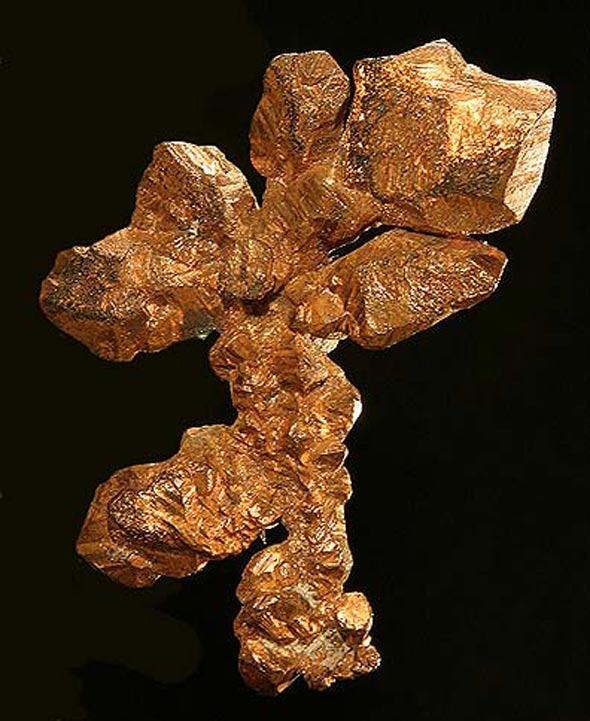
Photograph courtesy of http://www.irocks.com/
Magnetite
Beryl
Iron
Copper
- Category: Native metal
- Chemical formula: Cu
- Strunz classification: 01.AA.05
- One of the most famous and useful metals.
- Has been used as coinage for thousands of years.
- When weathered, it is coated with a green tarnish.
- It is an excellent conductor of electricity, second only to silver.
6 .
What is this mineral known as?
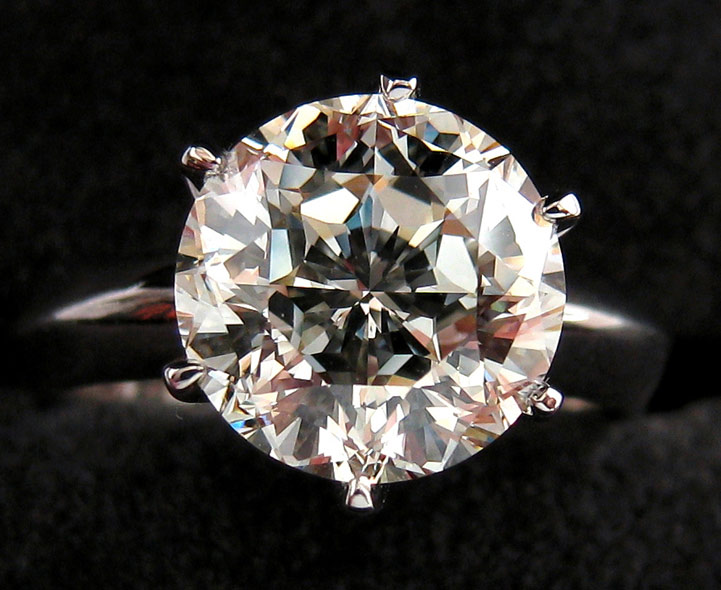
Photograph courtesy of www.flickr.com/people/nexus2006/
Diamond
Ice
Talc
Quartz
- Category: Native Minerals
- Chemical formula: C
- Strunz classification: 01.CB.10a
- The hardest known substance in the world.
- It is also the greatest conductor of heat and has the highest melting point.
- Used extensively in jewellery.
- Commonly known as "a girl's best friend".
7 .
What is this mineral known as?
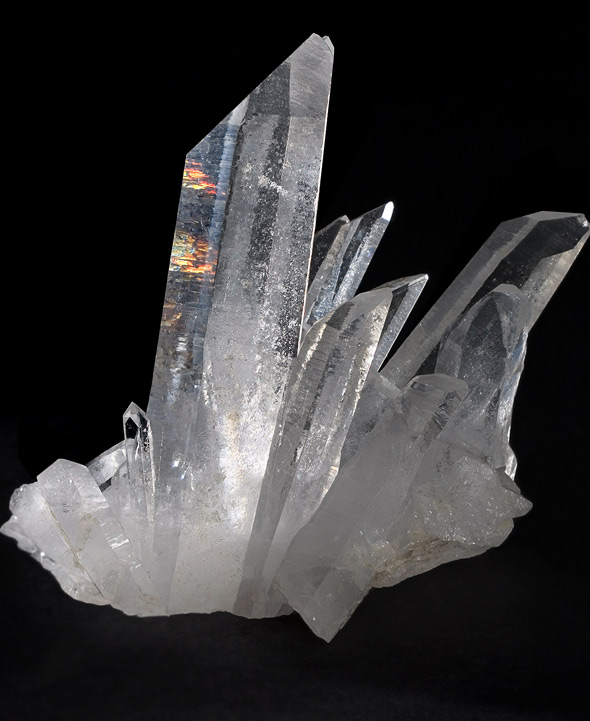
Photograph courtesy of JJ_Harrison
Tin
Malachite
Magnetite
Quartz
- Category: Silicate mineral
- Chemical formula: Silica (silicon dioxide, SiO2)
- Strunz classification: 04.DA.05
- One of the most well-known minerals on earth.
- It is a vital constituent of many rocks.
- Is used as oscillators in radios, watches and pressure gauges.
- Silicon semiconductors found in computers are made from this mineral.
8 .
What is this mineral known as?
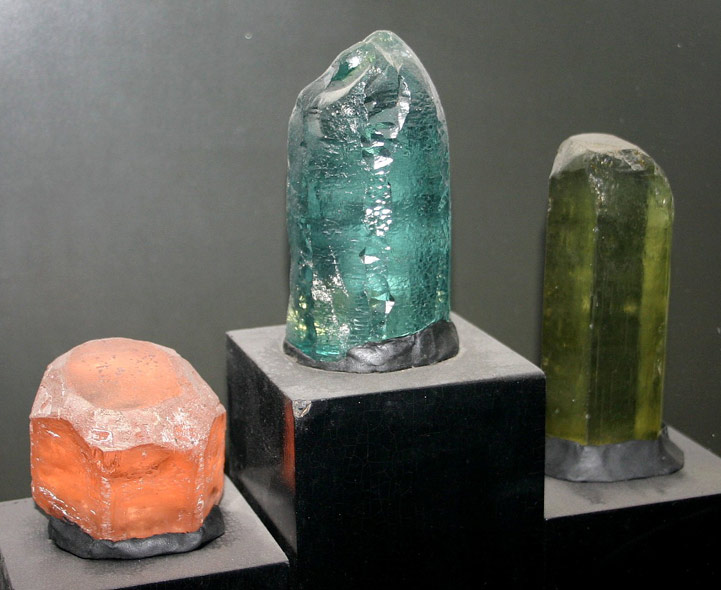
Photograph courtesy of Reno Chris
Copper
Feldspar
Beryl
Talc
- Category: Silicate mineral
- Chemical formula: Be3Al2(SiO3)6
- In its pure form, this mineral is colourless.
- The green variety of this mineral is known as the precious gem, Emerald.
- The crystals are transparent to translucent.
- This mineral forms some of the most prized gemstones.
9 .
What is this mineral known as?
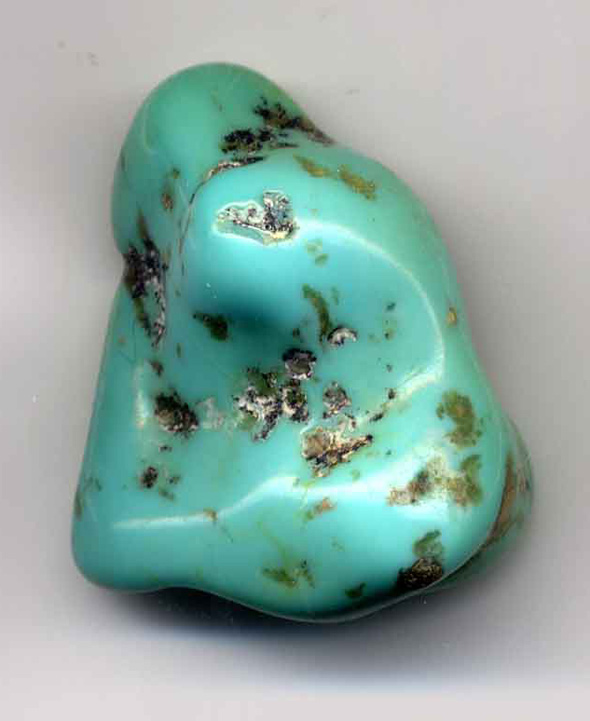
Photograph courtesy of Arpingstone
Feldspar
Turquoise
Cadmium
Graphite
- Category: Phosphate minerals
- Chemical formula: CuAl6(PO4)4(OH)8·4H2O
- Strunz classification: 08.DD.15
- This mineral is found worldwide, although it is mostly concentrated in the USA.
- It has been mined in Iran since the ancient Persian era.
- Was brought to Europe from Turkey and its name is derived from an Old French word for 'Turkish'.
10 .
What is this mineral known as?
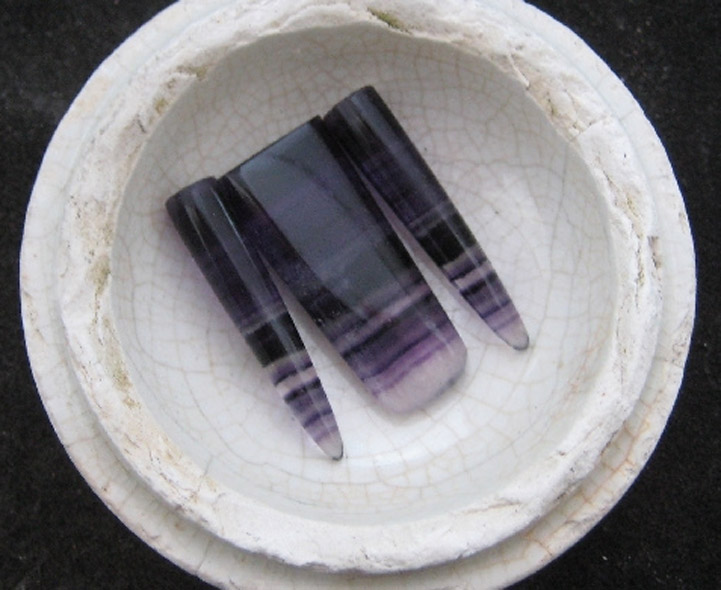
Photograph courtesy of Fire & Hammers1
Fluorite
Kyanite
Malachite
Cadmium
- Category: Halide mineral
- Chemical formula: CaF2
- Strunz classification: 03.AB.25
- A popular mineral which occurs naturally in all colours.
- One of better known fluorescent minerals.
- Blue John (found in Castleton, Derbyshire) is a variety of this mineral.
- It is extensively used in the field of optics.



**Unlimited Quizzes Await You! 🚀**
Hey there, quiz champ! 🌟 You've already tackled today's free questions.
Ready for more?
Ready for more?
🔓 Unlock UNLIMITED Quizzes and challenge yourself every day. But that's
not all...
not all...
🔥 As a Subscriber you can join our thrilling "Daily Streak" against other
quizzers. Try to win a coveted spot on our Hall of Fame Page.
quizzers. Try to win a coveted spot on our Hall of Fame Page.
Don't miss out! Join us now and keep the fun rolling. 🎉
**Unlimited Quizzes Await You! 🚀**
Hey there, quiz champ! 🌟 You've already tackled today's free questions. Ready for more?
🔓 Unlock UNLIMITED Quizzes and challenge yourself every day. But that's not all...
🔥 As a Subscriber you can join our thrilling "Daily Streak" against other quizzers. Try to win a coveted spot on our Hall of Fame Page.
Don't miss out! Join us now and keep the fun rolling. 🎉




© Copyright 2016-2026 - Education Quizzes
Work Innovate Ltd - Design | Development |
Marketing
