




Ask the AI Tutor
Need help with Insects and Spiders - Butterflies 2? Ask our AI Tutor!
AI Tutor - Lucy
Connecting with Tutor...
Please wait while we establish connection
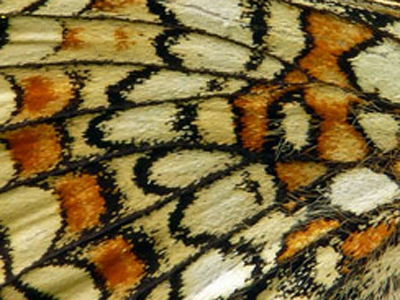
This quiz features one of our rarest butterflies. This picture shows the wing in glorious detail.
Insects and Spiders - Butterflies 2
Butterflies need the right plants and places to thrive, from caterpillar food to nectar for adults. Explore habitats, seasonal needs, and simple ways people can help.
To see a larger image, click on the picture.
1 .
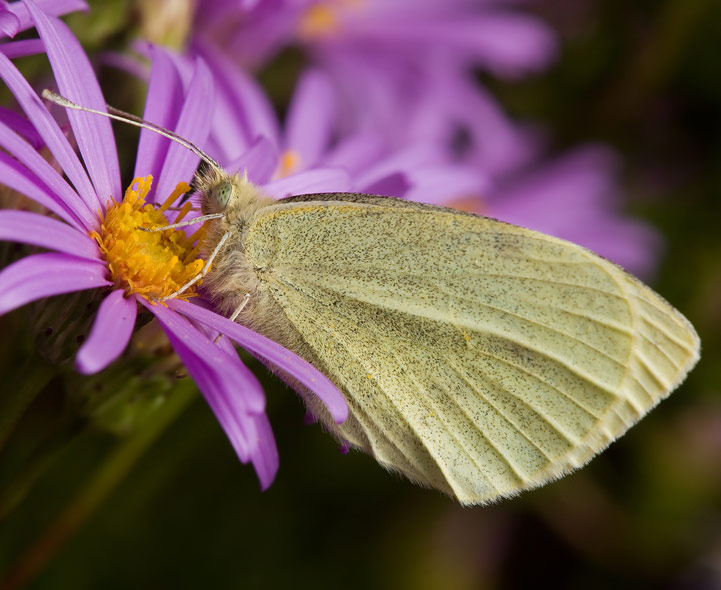
Can you identify this butterfly?
Photograph courtesy of JJ Harrison
Common Brimstone
Wood White
White Admiral
Small White
- Order: Lepidoptera
- Family: Pieridae
- Genus: Pieris
- Species: P. rapae
- Widespread and common throughout the UK.
- Breeds on brassicas and Nasturtium.
- Adults are attracted to white flowers for feeding and for camouflage.
- Large numbers can sometimes be seen in Oil-seed Rape fields.
2 .
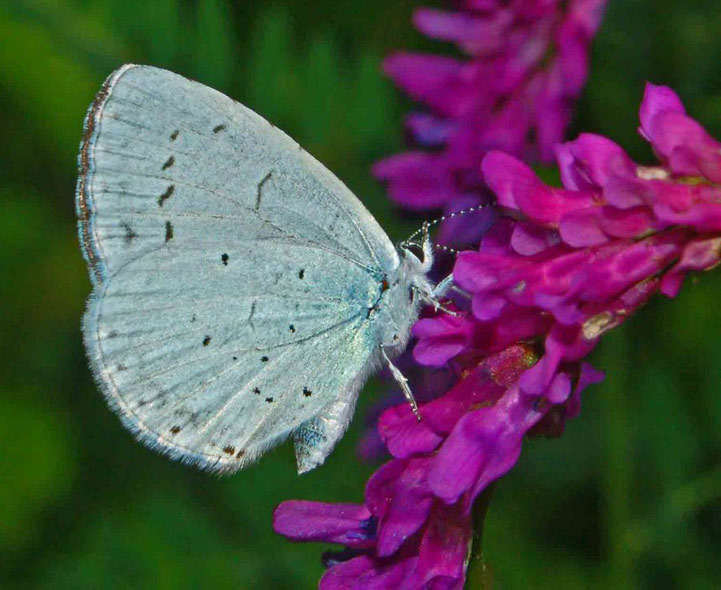
Can you identify this butterfly?
Photograph courtesy of Hectonichus
Orange Tip
Lulworth Skipper
Holly Blue
Red Admiral
- Order: Lepidoptera
- Family: Lycaenidae
- Genus: Celastrina
- Species: C. argiolus
- Widespread and often seen in parks and gardens.
- Renowned for wildly fluctuating in numbers.
- This is believed to be caused by parasitism from the wasp Listrodomus nychemerus.
3 .
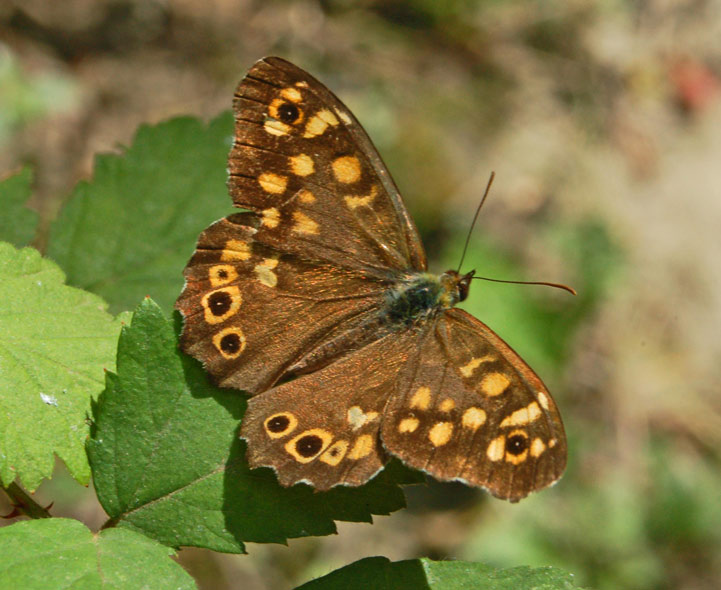
Can you identify this butterfly?
Photograph courtesy of Ettore Balocchi
Small Heath
Swallowtail
Common Blue
Speckled Wood
- Order: Lepidoptera
- Family: Nymphalidae
- Genus: Pararge
- Species: P. aegeria
- Often perch in sunny spots.
- Can be seen spiralling into the air to chase each other.
- Unique among British butterflies because it can overwinter in two stages, as both a larva and pupa.
4 .
Can you identify this butterfly?
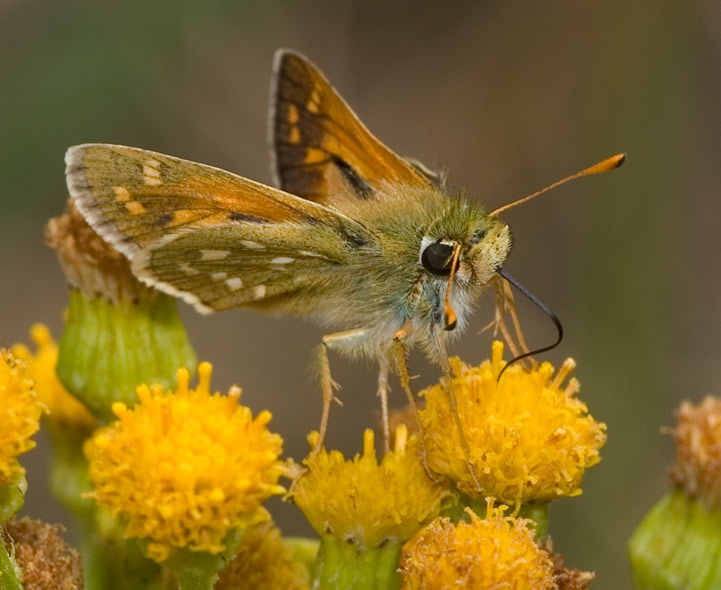
Photograph courtesy of Svdmolen
Chequered Skipper
Grayling
Small White
Silver-spotted Skipper
- Order: Lepidoptera
- Family: Hesperiidae
- Genus: Hesperia
- Species: H. comma
- Its distribution is chalk downland sites in southern England.
- This butterfly appears late in the year, July or early August.
- It has a low, darting flight.
- One of the few species that is increasing its range.
5 .
Can you identify this butterfly?
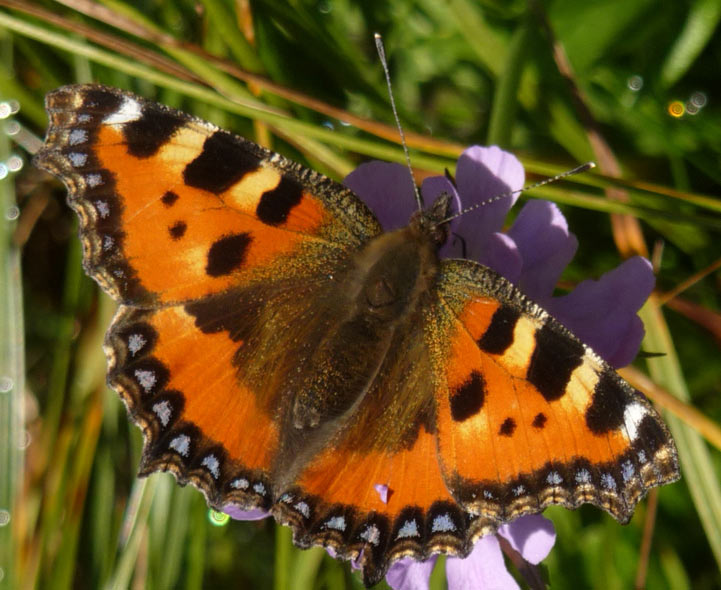
Photograph courtesy of Philipp Schäufele
Small Tortoiseshell
Green Hairstreak
Dingy Skipper
Duke of Burgundy
- Order: Lepidoptera
- Family: Nymphalidae
- Genus: Aglais
- Species: A. urticae
- Very common garden butterfly.
- If this butterfly feels threatened, it will open its wings rapidy.
- The display of colours can frighten away inexperienced birds.
- Foodplant is nettles.
6 .
Can you identify this butterfly?
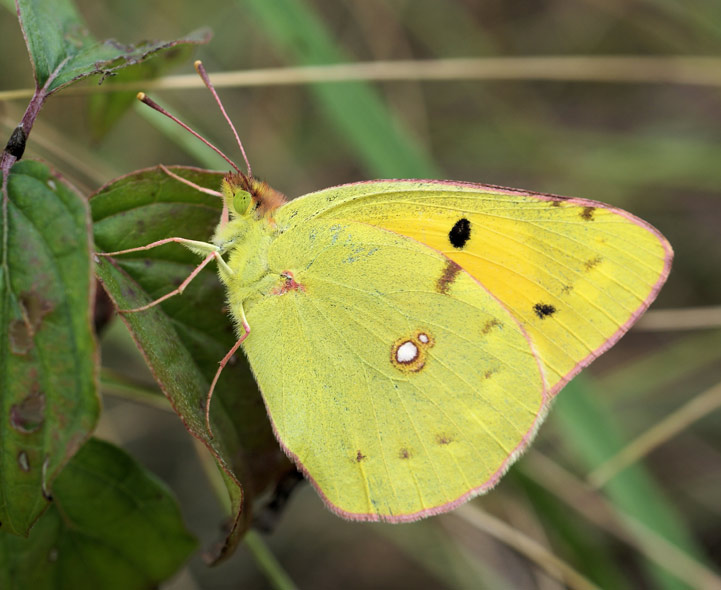
Photograph courtesy of Hans Hillewaert
Essex Skipper
Dark Clouded Yellow
Ringlet
Small Tortoiseshell
- Order: Lepidoptera
- Family: Pieridae
- Genus: Colias
- Species: C. croceus
- This butterfly is a small, fast-flying migrant.
- Famous for occasional mass migrations.
- Can be spotted on the south coast nearly every year in varying numbers.
- At rest, their wings remain closed.
7 .
Can you identify this butterfly?
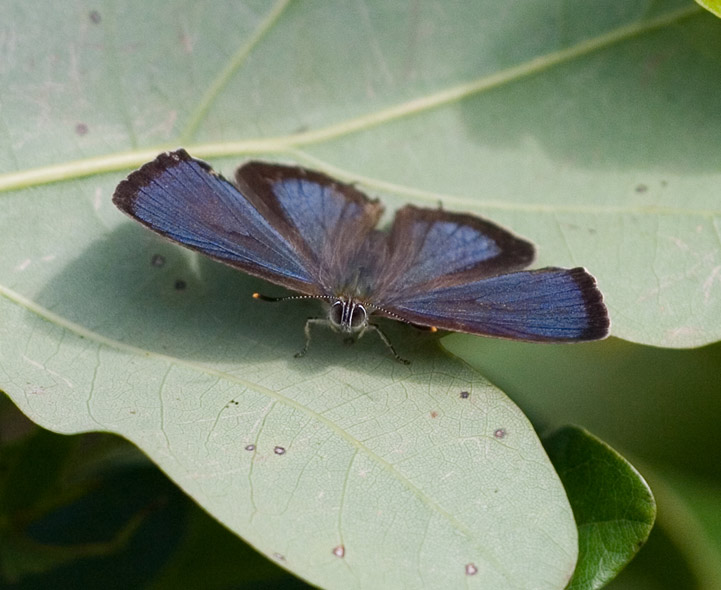
Photograph courtesy of Svdmolen
Purple Hairstreak
Small Copper
Purple Emperor
Pearl-bordered Fritillary
- Order: Lepidoptera
- Family: Lycaenidae
- Genus: Neozephyrus
- Species: N. quercus
- Small, active butterfly.
- Often spotted fluttering high around oak trees.
- Main adult food source is honeydew.
- Fly more often during the evening of a warm summer's day.
8 .
Can you identify this butterfly?
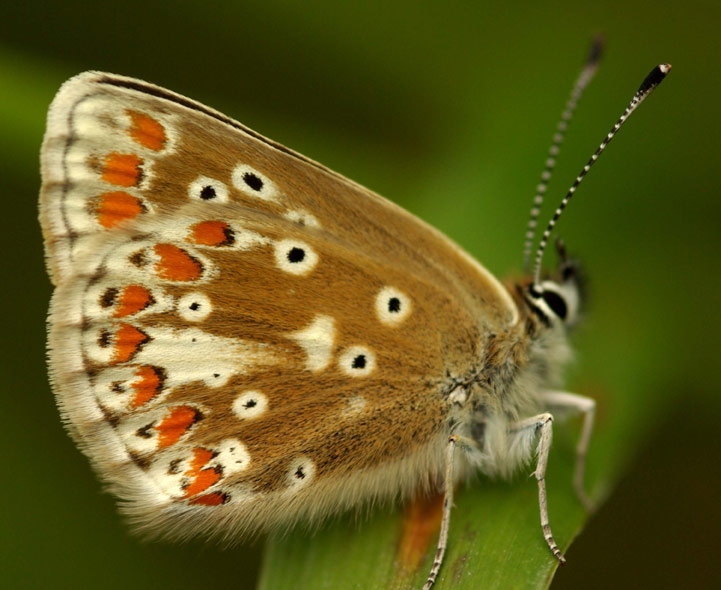
Photograph courtesy of Velela
Marsh Fritillary
Small Skipper
Northern Brown Argus
Large Heath
- Order: Lepidoptera
- Family: Lycaenidae
- Genus: Aricia
- Species: A. artaxerxes
- Colonies tend to be small, with less than 50 adults.
- In England the species is locally distributed in Derbyshire, Yorkshire, Cumbria and County Durham.
- This butterfly has a single brood.
- Flies low to the ground over flowering grasslands.
9 .
Can you identify this butterfly?
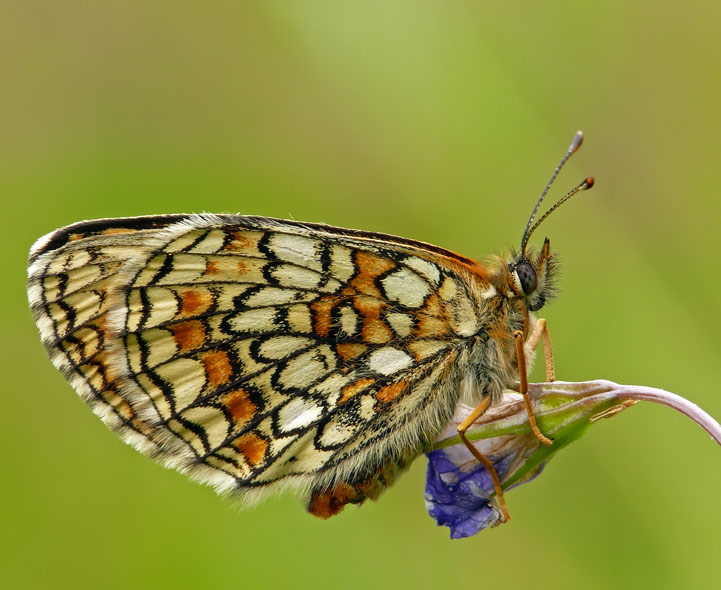
Photograph courtesy of Darius Baužys
Heath Fritillary
Silver-spotted Skipper
Small Heath
Grayling
- Order: Lepidoptera
- Family: Nymphalidae
- Genus: Melitaea
- Species: M. athalia
- Historically, this butterfly has been linked with the traditional practice of woodland coppicing.
- This has given it the local name of the 'Woodman's Follower' as it follows the cycle of cutting around a wood.
- One of our rarest butterflies.
10 .
Can you identify this butterfly?
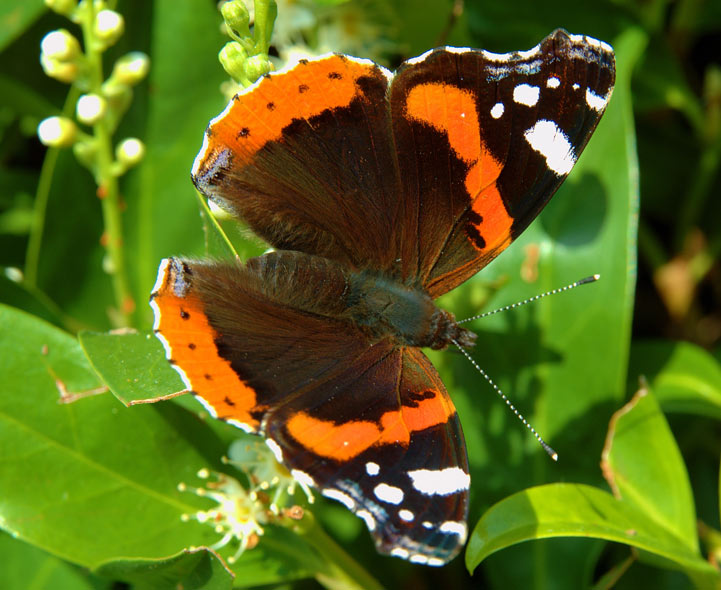
Photograph courtesy of http://www.lucnix.be/main.php
Scotch Argus
Red Admiral
Ringlet
Essex Skipper
- Order: Lepidoptera
- Family: Nymphalidae
- Genus: Vanessa
- Species: V. atalanta
- One of our most well-known butterflies.
- A frequent visitor to British gardens.
- Although considered a resident, it is primarily a migrant to this country.
- Can be found practically anywhere, from the coast to urban gardens to mountain tops.



**Unlimited Quizzes Await You! 🚀**
Hey there, quiz champ! 🌟 You've already tackled today's free questions.
Ready for more?
Ready for more?
🔓 Unlock UNLIMITED Quizzes and challenge yourself every day. But that's
not all...
not all...
🔥 As a Subscriber you can join our thrilling "Daily Streak" against other
quizzers. Try to win a coveted spot on our Hall of Fame Page.
quizzers. Try to win a coveted spot on our Hall of Fame Page.
Don't miss out! Join us now and keep the fun rolling. 🎉
**Unlimited Quizzes Await You! 🚀**
Hey there, quiz champ! 🌟 You've already tackled today's free questions. Ready for more?
🔓 Unlock UNLIMITED Quizzes and challenge yourself every day. But that's not all...
🔥 As a Subscriber you can join our thrilling "Daily Streak" against other quizzers. Try to win a coveted spot on our Hall of Fame Page.
Don't miss out! Join us now and keep the fun rolling. 🎉




© Copyright 2016-2026 - Education Quizzes
Work Innovate Ltd - Design | Development |
Marketing
