




Ask the AI Tutor
Need help with Mammals - Asian Mammals? Ask our AI Tutor!
AI Tutor - Lucy
Connecting with Tutor...
Please wait while we establish connection
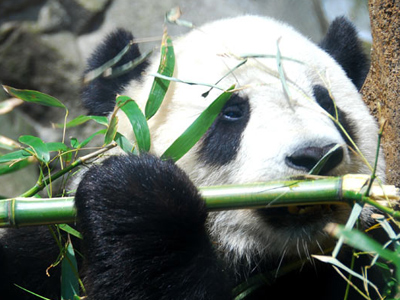
What does a giant panda's diet mainly consists of?
Mammals - Asian Mammals
From tigers to tree shrews, Asian mammals live in deserts, forests, and mountains. Use clues like tracks, teeth, and behaviour to spot who’s who.
To see a larger image, click on the picture.
1 .
The Japanese macaque was responsible for which discredited phenomenon?
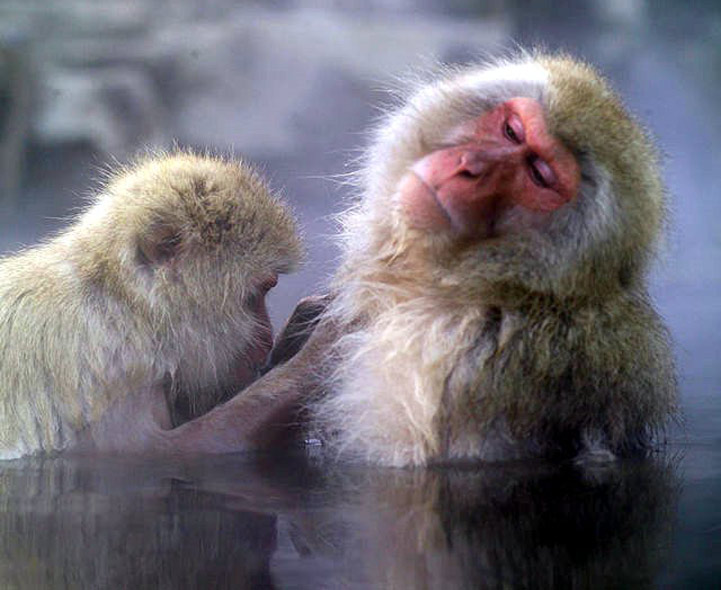
Photograph courtesy of Fg2
Tenth monkey effect
Hundredth monkey effect
Thousandth monkey effect
Millionth monkey effect
- Order: Primates
- Family: Cercopithecidae
- Genus: Macaca
- Species: M. fuscata
- It lives in areas where snow covers the ground for months each year.
- No primate, with the exception of humans, is more northern-living, nor lives in a colder climate.
- Have been observed rolling snowballs for fun.
It pertains to the idea that a learned behaviour spreads instantaneously from one group of monkeys to all related monkeys once a critical number is reached
2 .
The Indian giant squirrel is diurnal. What does this mean?
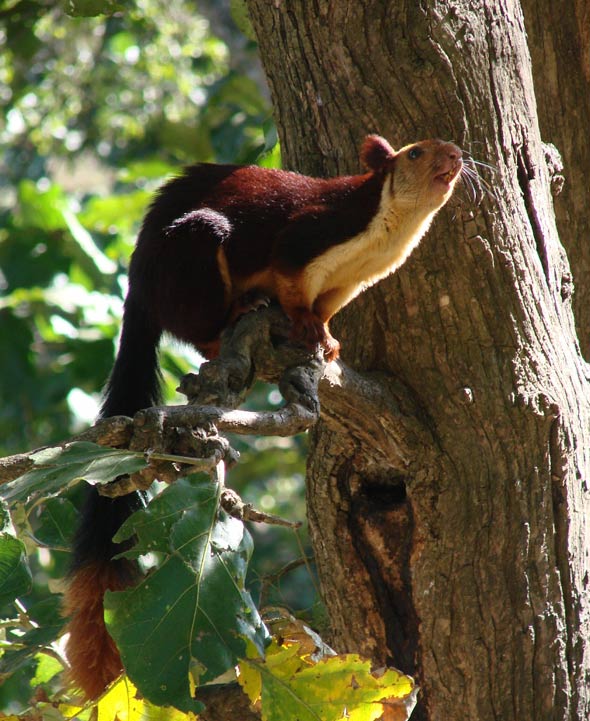
Photograph courtesy of Rakesh Kumar Dogra
Is active only at dawn
Is active only at dusk
Is active at night and sleeps in the day
Is active in the day and sleeps at night
- Order: Rodentia
- Family: Sciuridae
- Genus: Ratufa
- Species: R. indica
- This squirrel dwells in the upper canopies of trees and is able to jump up to 6 m (20 ft) between trees.
- They tend to live alone or in pairs.
- It can build several nests close to each other which are used as sleeping quarters.
- A sanctuary to protect the habitat of this animal was created in 1984 in India.
3 .
The programme 'Planet Earth' took some of the first videos of snow leopards in the wild. Who narrated the programme for the Discovery channel?
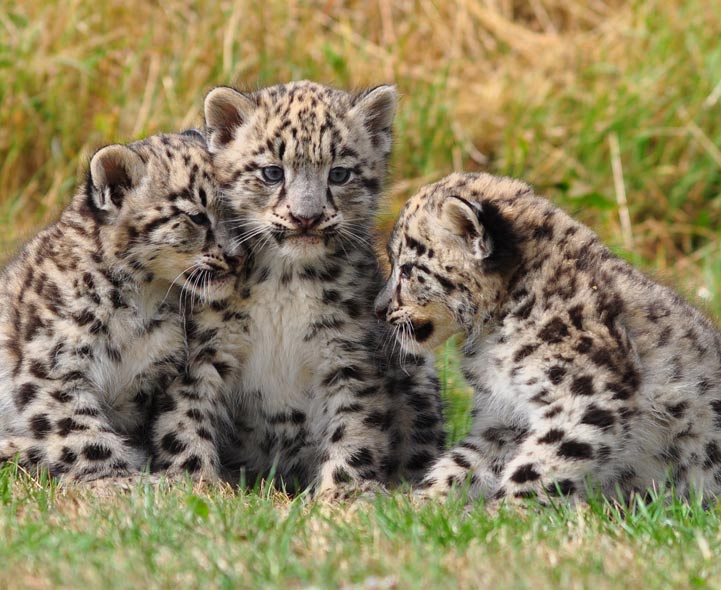
Photograph courtesy of Dingopup
Sigourney Weaver
Jim Carrey
Sharon Stone
Michael J. Fox
- Order: Carnivora
- Family: Felidae
- Genus: Uncia
- Species: uncia
- It lives in mountainous regions.
- Baby snow leopards have full black spots when they are born which turn into rosettes as they mature.
- Ambushes prey from above and is able to leap as far as 14 metres (46 ft).
The original BBC version was narrated by David Attenborough
4 .
Which Hindu deity is depicted with an elephant head?
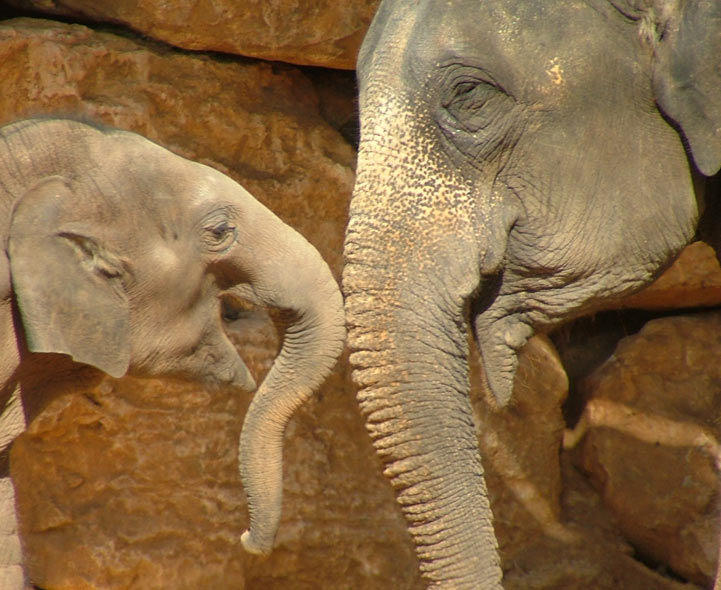
Photograph courtesy of SuperJew
Shiva
Ganesha
Hanuman
Vishnu
- Order: Proboscidea
- Family: Elephantidae
- Genus: Elephas
- Species: E. maximus
- Is listed by the International Union for Conservation of Nature (IUCN) as endangered.
- It is extensively domesticated, and has been used in forestry in South and Southeast Asia for centuries.
5 .
Can you name this Asian mammal?

Photograph courtesy of rikkis_refuge
Toque macaque
Pig-tailed langur
Philippine Tarsier
Slender loris
- Order: Primates
- Family: Lorisidae
- Genus: Loris
- A small, nocturnal primate which lives in Southern India and Sri Lanka.
- It moves carefully and slowly along the treetops of the tropical rainforests.
- Will eat noxious and bad smelling insects.
- They are partial to the acacia ant whose bite can numb a human arm.
6 .
Can you name this Asian mammal?
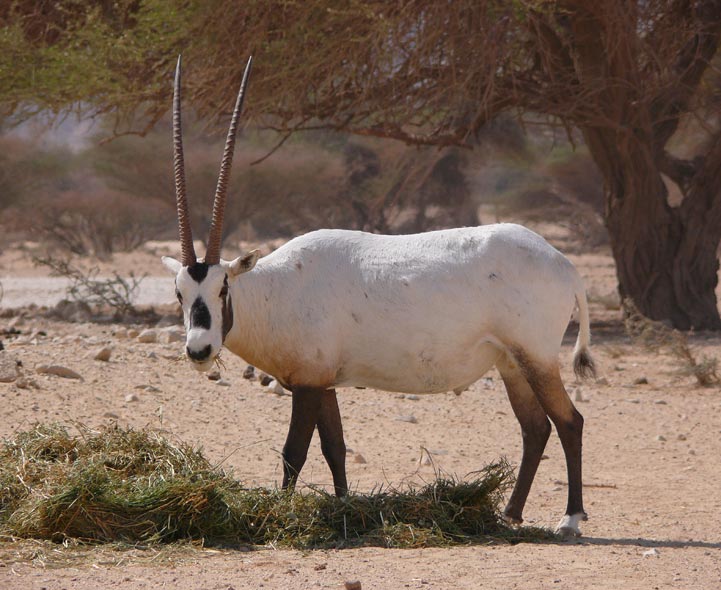
Photograph courtesy of MathKnight
Arabian Oryx
Himalayan Goral
Nilgiri Tahr
Coypu
- Order: Artiodactyla
- Family: Bovidae
- Genus: Oryx
- Species: O. leucoryx
- Native to desert and steepe areas of the Arabian peninsula.
- The legend of the Unicorn may have originated in part from this animal which can appear to have only one horn when seen in profile.
7 .
What is the dromedary's nickname?
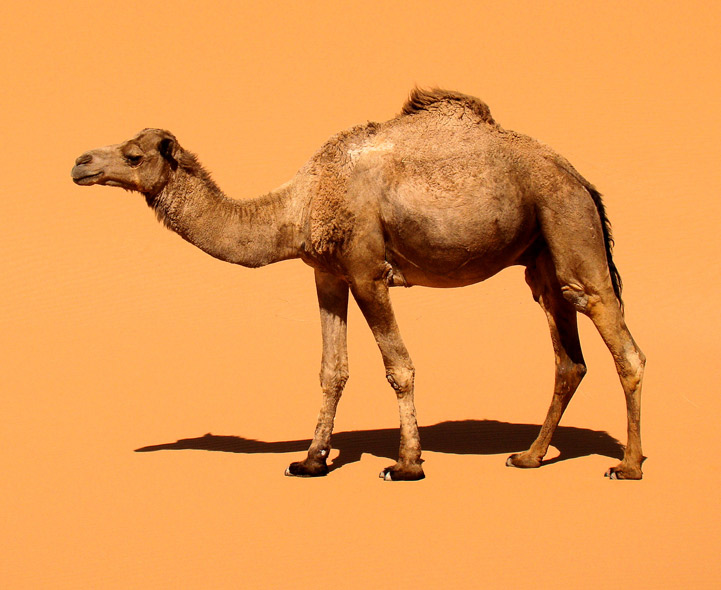
Photograph courtesy of Bjørn Christian Tørrissen
The eagle of the desert
The train of the desert
The ship of the desert
The snail of the desert
- Order: Artiodactyla
- Family: Camelidae
- Genus: Camelus
- Species: C. dromedarius
- Also known as the Arabian camel.
- Only has one hump on its back.
- Dromedaries have distinctive features of thick eyelashes and small, hairy ears.
- They kneel for loading cargo and passengers.
This is due to the swaying movement when it walks
8 .
Kellogg's Frosties feature a tiger as its mascot. What is the tiger's name?
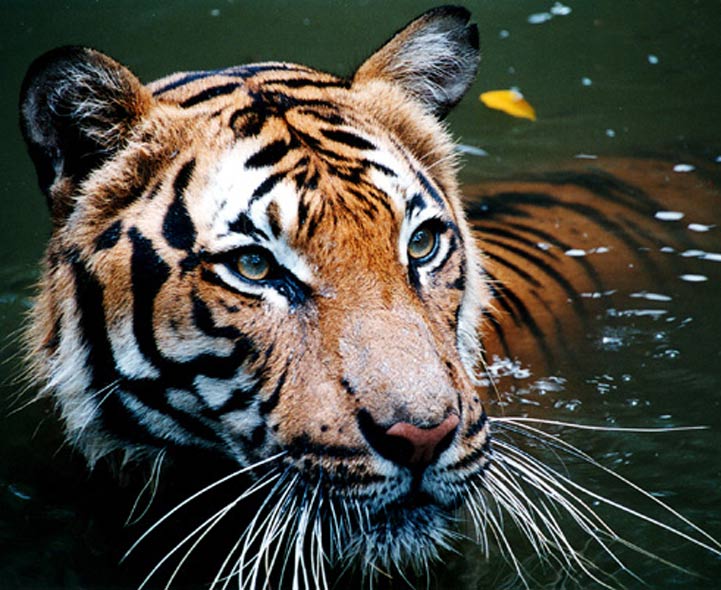
Photograph courtesy of B_cool
Terry
Tommy
Tony
Timmy
- Order: Carnivora
- Family: Felidae
- Genus: Panthera
- Species: P. tigris
- The Bengal tiger is the national animal of Bangladesh and India.
- In a poll conducted by Animal Planet, the tiger was voted the world's favourite animal, narrowly beating the dog. More than 50,000 viewers from 73 countries voted in the poll.
Tony is known for uttering the cereal's slogan, "They're Gr-r-reat!"
9 .
What is a young takin called?
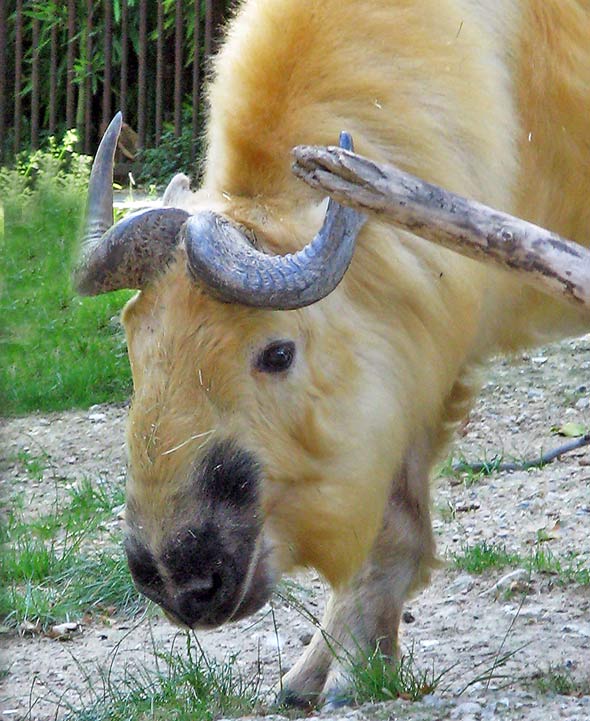
Photograph courtesy of Steve
Cub
Kid
Pup
Calf
- Order: Artiodactyla
- Family: Bovidae
- Genus: Budorcas
- Species: B. taxicolor
- Also known as gnu goat or cattle chamois.
- Mitochondrial research shows that takin are related to sheep.
- Biologist George Schaller likened the takin to a 'bee-stung moose', because of the swollen appearance of the face.
10 .
A panda's diet consists of mainly what?
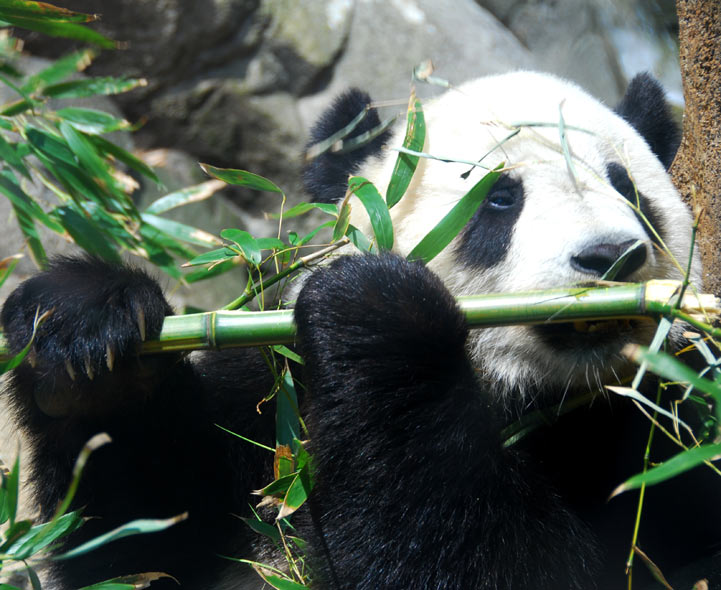
Photograph courtesy of Fernando Revilla
Eucalyptus
Coconut
Bamboo
Magnolia
- Order: Carnivora
- Family: Ursidae
- Genus: Ailuropoda
- Species: A. melanoleuca
- The giant panda is among the world's most adored and protected rare animals.
- Pandas do not hibernate, but rather move to elevations with warmer temperatures.
- The World Wide Fund for Nature (WWF) uses a panda as its symbol.



**Unlimited Quizzes Await You! 🚀**
Hey there, quiz champ! 🌟 You've already tackled today's free questions.
Ready for more?
Ready for more?
🔓 Unlock UNLIMITED Quizzes and challenge yourself every day. But that's
not all...
not all...
🔥 As a Subscriber you can join our thrilling "Daily Streak" against other
quizzers. Try to win a coveted spot on our Hall of Fame Page.
quizzers. Try to win a coveted spot on our Hall of Fame Page.
Don't miss out! Join us now and keep the fun rolling. 🎉
**Unlimited Quizzes Await You! 🚀**
Hey there, quiz champ! 🌟 You've already tackled today's free questions. Ready for more?
🔓 Unlock UNLIMITED Quizzes and challenge yourself every day. But that's not all...
🔥 As a Subscriber you can join our thrilling "Daily Streak" against other quizzers. Try to win a coveted spot on our Hall of Fame Page.
Don't miss out! Join us now and keep the fun rolling. 🎉




© Copyright 2016-2026 - Education Quizzes
Work Innovate Ltd - Design | Development |
Marketing
