




Ask the AI Tutor
Need help with Inventions which Changed History 2? Ask our AI Tutor!
AI Tutor - Lucy
Connecting with Tutor...
Please wait while we establish connection
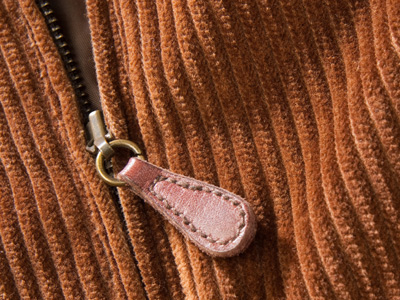
The zip was invented in 1893.
Inventions which Changed History 2
Which modern inventions changed how we live and learn? This KS1 History quiz explores the internet, computers and gadgets that help people share ideas all around the world.
1 .
Dozens of scientists tried to refine a design for refrigeration, including one very famous name. Who was it?
Albert Einstein
Sir Isaac Newton
Louis Pasteur
Charles Darwin
Before the fridge, food would go off very quickly
2 .
Norman Woodland's invention has changed the way the world shops. What did he invent?
The shopping trolley
The supermarket
Plastic packaging
The barcode
Woodland thought of the idea after remembering his boy scout training in Morse Code
3 .
John Shepherd Barron invented the cash machine in 1967. Which was the first bank to have one?
Barclays
NatWest
Halifax
Santander
The machine's formal name is the Automated Teller Machine, or ATM
4 .
In 1928, Alexander Fleming discovered penicillin. How is it used?
As a cough medicine
As an antibiotic
As a foot powder
As a treatment for lice
Penicillin fights a great many infections in humans, without causing harm
5 .
In 1968, Spencer Silver invented a not-so-sticky glue. What was that glue used for eventually?
Sticking wigs to ladies
Sticking plasters
Wallpaper paste
The Post-It note
The glue made it possible to stick and then remove the note without damage
6 .
The compass was invented by the Chinese between the 9th and 11th Century. Before its introduction, how did ships navigate?
By watching the sun's movement
By telephoning a sea captain for help
By using maps on the internet
By recognising landmarks and looking at the stars
Compasses were originally made from lodestone, which is naturally magnetic
7 .
In 1893, Whitcomb Judson invented a fastening device which people all over the world use every day. What was it?
The button
The zip
Velcro
The press stud
42 years earlier Elias Howe developed something similar but it didn't work very well
8 .
An American chef, George Crum, was trying to make French Fries for a complaining customer in 1853. What did he supposedly invent?
The jacket potato
The roast potato
The potato crisp
Mashed potato
Crisps were already known in the UK. They appear in a cookbook written in 1822
9 .
Where was paper invented?
France
America
China
Germany
Earlier materials used instead of paper included papyrus, parchment and palm leaves
10 .
Sir Tim Berners-Lee, a British computer scientist, invented something we nearly all use. What was it?
The hairbrush
The World Wide Web
The shoe
The lunch box
He wrote his proposal on the 12th of March, 1989 and the web has been growing ever since



**Unlimited Quizzes Await You! 🚀**
Hey there, quiz champ! 🌟 You've already tackled today's free questions.
Ready for more?
Ready for more?
🔓 Unlock UNLIMITED Quizzes and challenge yourself every day. But that's
not all...
not all...
🔥 As a Subscriber you can join our thrilling "Daily Streak" against other
quizzers. Try to win a coveted spot on our Hall of Fame Page.
quizzers. Try to win a coveted spot on our Hall of Fame Page.
Don't miss out! Join us now and keep the fun rolling. 🎉
**Unlimited Quizzes Await You! 🚀**
Hey there, quiz champ! 🌟 You've already tackled today's free questions. Ready for more?
🔓 Unlock UNLIMITED Quizzes and challenge yourself every day. But that's not all...
🔥 As a Subscriber you can join our thrilling "Daily Streak" against other quizzers. Try to win a coveted spot on our Hall of Fame Page.
Don't miss out! Join us now and keep the fun rolling. 🎉




© Copyright 2016-2026 - Education Quizzes
Work Innovate Ltd - Design | Development |
Marketing
