




Ask the AI Tutor
Need help with Materials - Natural and Manmade Products? Ask our AI Tutor!
AI Tutor - Lucy
Connecting with Tutor...
Please wait while we establish connection
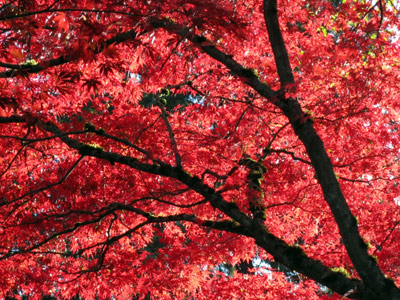
Wood is a natural material. It is made from trees.
Materials - Natural and Manmade Products
Learn how to spot natural and manmade products in KS1 Science, from fruit and milk to crisps and plastics, and choose healthier, smarter options every day.
1 .
Amy is building a sand castle. Sand is a _______ material.

Natural
Rare
Man-made
Fizzy
Do you like going to the seaside?
2 .
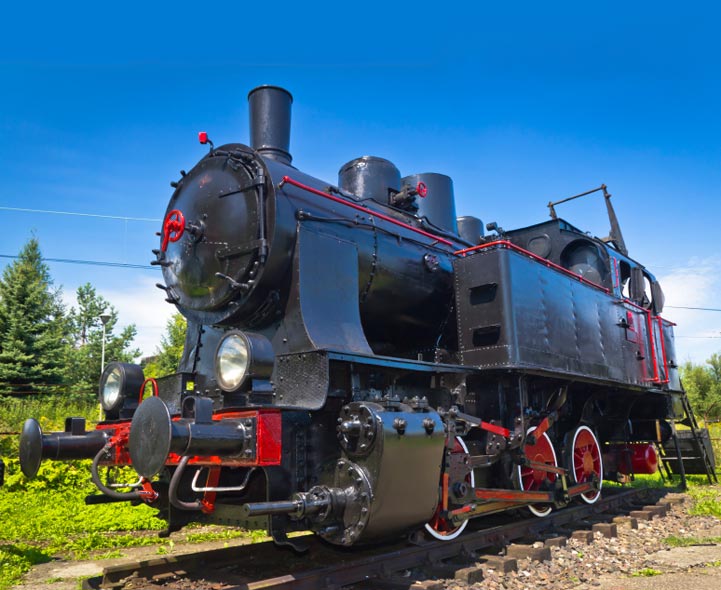
Which one of these is dug out of the ground?
Wood
Plastic
Coal
Wool
Coal burns. It is used in steam engines. Have you ever been on a steam train?
3 .
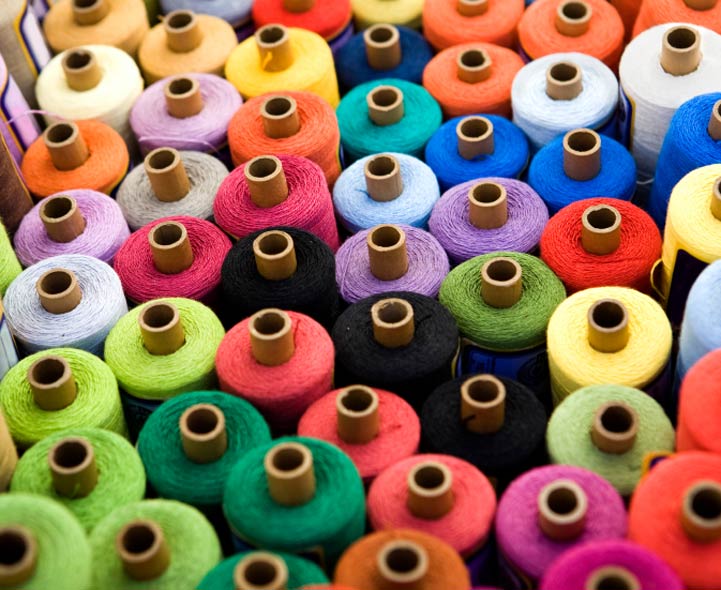
Which one of these materials is natural?
Nylon
Cotton
Polythene
Polystyrene
Nylon, polythene and polystyrene are all man-made
4 .
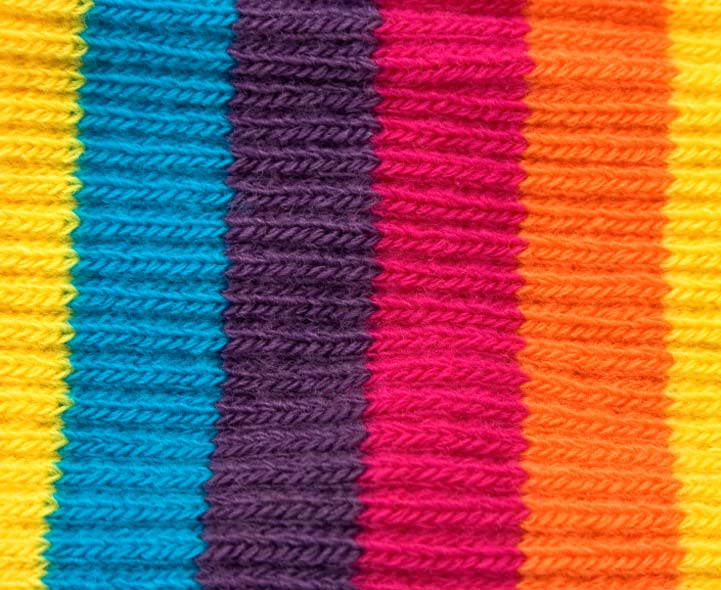
Which one of these materials grows on an animal?
Cotton
Rubber
Wood
Wool
Sheep grow wool
5 .
This toy plane is made from wood. Wood is a _______ material.
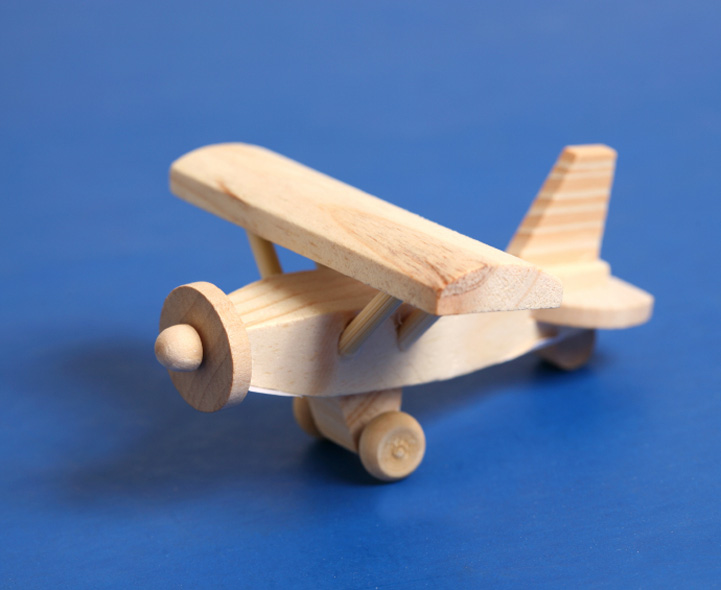
Man-made
Natural
Weak
Bendy
Do you have any toys made from wood?
6 .
Which one of these materials is natural?

Nylon
Rock
Plastic
Polythene
The mountain in the picture is called the Matterhorn
7 .
Which one of these is man-made?

Oranges
Apples
Plastic bags
Tomatoes
Fruit and vegetables come from plants. Plants are natural, not man-made
8 .
Which one of these is a natural material?

Lemonade
Cola
Water
Ice cream
Do you like being out in the rain?
9 .
This toy duck is made from plastic. Plastic is a _______ material.
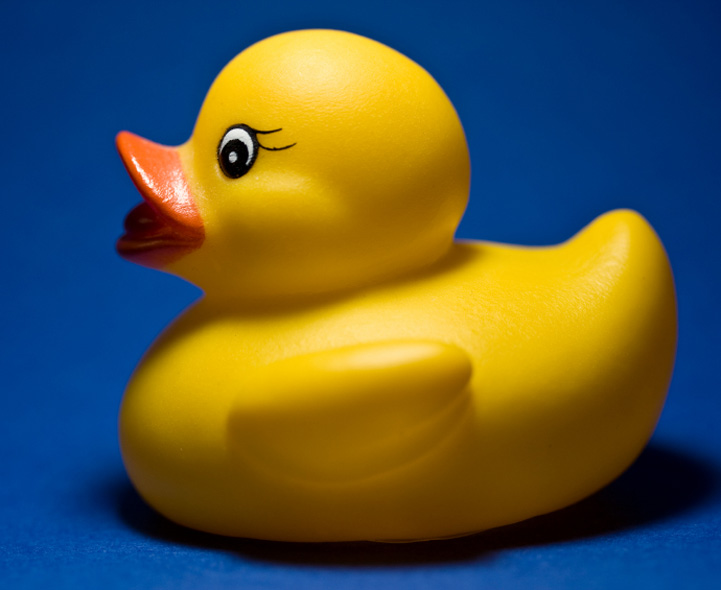
Natural
Man-made
Rare
Precious
Plastic is made in factories
10 .
This statue is made from marble. Marble is a ______ material.
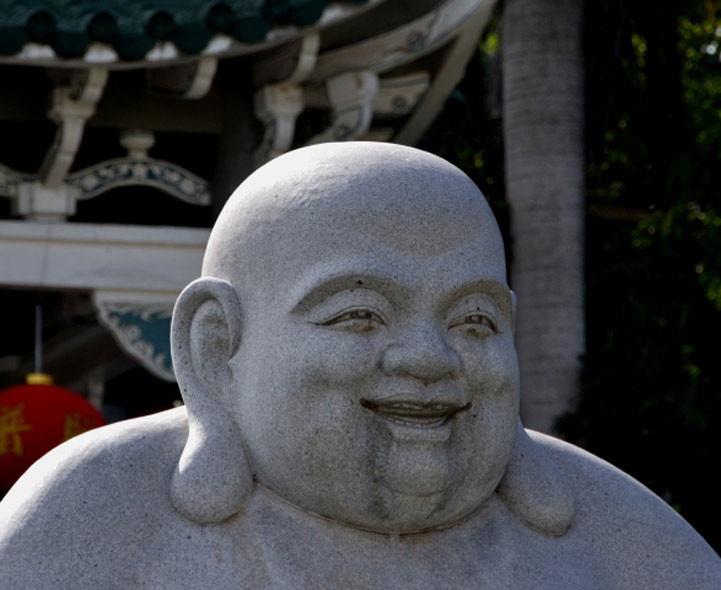
Weak
Elastic
Man-made
Natural
Marble is a type of rock. Marble is dug out of the ground in quarries



**Unlimited Quizzes Await You! 🚀**
Hey there, quiz champ! 🌟 You've already tackled today's free questions.
Ready for more?
Ready for more?
🔓 Unlock UNLIMITED Quizzes and challenge yourself every day. But that's
not all...
not all...
🔥 As a Subscriber you can join our thrilling "Daily Streak" against other
quizzers. Try to win a coveted spot on our Hall of Fame Page.
quizzers. Try to win a coveted spot on our Hall of Fame Page.
Don't miss out! Join us now and keep the fun rolling. 🎉
**Unlimited Quizzes Await You! 🚀**
Hey there, quiz champ! 🌟 You've already tackled today's free questions. Ready for more?
🔓 Unlock UNLIMITED Quizzes and challenge yourself every day. But that's not all...
🔥 As a Subscriber you can join our thrilling "Daily Streak" against other quizzers. Try to win a coveted spot on our Hall of Fame Page.
Don't miss out! Join us now and keep the fun rolling. 🎉




© Copyright 2016-2026 - Education Quizzes
Work Innovate Ltd - Design | Development |
Marketing
