



Key Stage 1 Religious Education (RE)
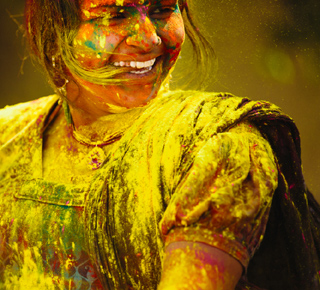
KS1 Religious Education for Years 1-2 (ages 5-7) supports the National Curriculum, and introduces beliefs, festivals and symbols in a child-friendly way through short quizzes.
Fascinating fact: Sikhs wear a special bracelet called a kara to remind them to do good things. Most-Played Quizzes in This Section:


About KS1 Religious Education
KS1 Religious Education (RE) helps children aged 5-7 learn about different beliefs, special places, symbols and celebrations. These teacher written quizzes keep learning short, respectful and easy to understand, with instant feedback to support progress.
Children explore key ideas from major world religions using simple language and clear examples. Quizzes help pupils remember important vocabulary, recognise similarities and differences, and talk thoughtfully about values such as kindness, fairness and respect.
At home, families can use quizzes as a starting point for calm conversations. Ask what your child noticed, what felt the same or different, and which festival or place of worship they would like to learn more about. Little and often practice supports classroom learning and builds confidence.
Official curriculum guidance
RE is taught in schools under local and school based guidance rather than a single National Curriculum programme. For official information about Religious Education in schools in England, see GOV.UK: Religious education guidance in English schools.
Frequently Asked Questions
What topics are covered in KS1 RE?
Children learn about beliefs, places of worship, special books, symbols and festivals. The focus is on understanding and respect, with age-appropriate facts and vocabulary.
How should my child use these quizzes?
Try one quiz at a time, read the feedback together, and revisit tricky quizzes after a couple of days. Mixing topics helps children remember key ideas and use the right words confidently.
Are the quizzes suitable for non religious families?
Yes. The quizzes are educational and focus on cultural understanding. They help children learn about different communities and traditions they may meet in school and daily life.
What is a simple way to support respectful discussion?
Encourage children to use phrases such as “Some people believe” and “In this religion” when talking about ideas. This helps them share facts without assuming everyone believes the same.




© Copyright 2016-2026 - Education Quizzes
Work Innovate Ltd - Design | Development |
Marketing
