




Ask the AI Tutor
Need help with Energy Resources 01? Ask our AI Tutor!
AI Tutor - Lucy
Connecting with Tutor...
Please wait while we establish connection
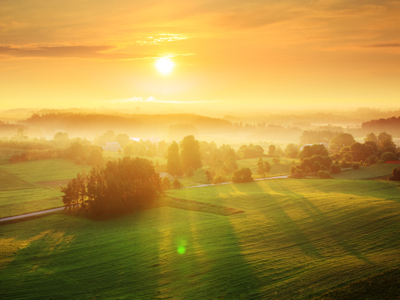
The sun is the original source of the energy resources on Earth.
Energy Resources 01
Energy resources power our lives. In KS3 Science, pupils explore renewable and non-renewable sources, their uses, and the importance of sustainability for the planet’s future.
1 .
A non-renewable energy resource is .......
one that is continually being replaced
one that is produced by photosynthesis
one that will not run out
one that will one day run out
Some scientists think that we will have used up all of the possible oil reserves by the end of the 21st century
2 .
Coal was formed:
hundreds of years ago
millions of years ago
when the big bang happened
when the solar system formed
Coal was formed from the remains of plants and trees
3 .
A coal fired power station produces:
chemical energy
electrical energy
nuclear and chemical energy
nuclear energy
Power stations are connected to the National Grid for the electricity to be sent all round the country
4 .
Which one of the following is decreased when coal is burned?
Air pollution
Carbon dioxide levels
Oxygen levels
None of these
Carbon dioxide and air pollution levels both increase
5 .
Which of the following is NOT a renewable energy resource?
Tidal
Uranium
Wave
Wind
Uranium is a nuclear fuel and is non-renewable
6 .
Which of the following is NOT a fossil fuel?
Coal
Electricity
Gas
Oil
Electricity is not a fuel
7 .
Which of the following energy resources relies on burning to produce heat?
Biomass and gas
Biomass and hydroelectric
Geothermal and coal
Geothermal and oil
Hydroelectric relies on running water to generate electricity and geothermal relies on heat from the Earth
8 .
In a coal fired power station, coal is burned to produce:
chemical energy
heat and light energy
heat energy
light energy
The heat energy is used to produce steam. Technically, light and sound energies are also released, but it is the heat energy we want
9 .
Which of the following energy resources does NOT depend on photosynthesis?
Biomass
Coal
Food
Wind
All the others involved plants at some stage
10 .
The original source of most of the energy resources on Earth is:
coal
oil
plants
the Sun
The Sun provides heat and light for renewable forms of energy resource
Our Social Circles




**Unlimited Quizzes Await You! 🚀**
Hey there, quiz champ! 🌟 You've already tackled today's free questions.
Ready for more?
Ready for more?
🔓 Unlock UNLIMITED Quizzes and challenge yourself every day. But that's
not all...
not all...
🔥 As a Subscriber you can join our thrilling "Daily Streak" against other
quizzers. Try to win a coveted spot on our Hall of Fame Page.
quizzers. Try to win a coveted spot on our Hall of Fame Page.
Don't miss out! Join us now and keep the fun rolling. 🎉
**Unlimited Quizzes Await You! 🚀**
Hey there, quiz champ! 🌟 You've already tackled today's free questions. Ready for more?
🔓 Unlock UNLIMITED Quizzes and challenge yourself every day. But that's not all...
🔥 As a Subscriber you can join our thrilling "Daily Streak" against other quizzers. Try to win a coveted spot on our Hall of Fame Page.
Don't miss out! Join us now and keep the fun rolling. 🎉
© Copyright 2016-2026 - Education Quizzes
Work Innovate Ltd - Design | Development |
Marketing
