




Ask the AI Tutor
Need help with Crude Oil - Cracking? Ask our AI Tutor!
AI Tutor - Lucy
Connecting with Tutor...
Please wait while we establish connection
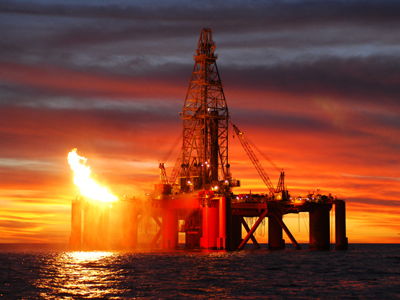
Cracking is an example of a thermal decomposition chemical reaction.
Crude Oil - Cracking
Cracking turns heavy fractions into fuels and useful alkenes. This GCSE Chemistry quiz checks conditions, products, and how cracking helps meet demand for petrol and plastics.
1 .
The alkene product of cracking...
is an unsaturated compound
has molecules in which each carbon atom has two bonds
is unreactive
will burn to produce carbon dioxide and hydrogen
Unsaturated means that it contains a double bond. In the laboratory, you test for it using bromine water. A positive result is that the bromine water is discoloured
2 .
What is the general formula for alkenes?
CnH2n+2
CnH2n+3
CnHn+1
CnH2n
Alkenes contain twice as many hydrogen atoms as carbon atoms
3 .
Which of the following shows only the products that could be directly obtained by cracking C10H24?
Alkanes up to C20H44, hydrogen and ethene
Alkanes up to C8H18, carbon dioxide and ethene
Propene, poly(ethene) and hydrogen
Alkanes up to C8H18, ethene and propene
Remember the smallest possible alkene is ethene. Therefore the largest alkane must be C8H18. You could dismiss the other three answers because at GCSE, you are expected to know that the products of thermal cracking of an alkane will produce only a shorter chain alkane and an alkene so any answer containing other products, like carbon dioxide and hydrogen, are false
4 .
The purpose of cracking is to...
split long chain hydrocarbons into more useful short chain molecules
split long chain hydrocarbons into their component molecules
split hydrocarbons into carbon and hydrogen
separate different sized hydrocarbons
It solves the issue of under production and over production at the same time
5 .
Select from the list the correct formula for ethene.
C3H6
C2H4
C2H6
C4H2
In organic chemistry, you need to know that any chemicals beginning with 'eth' contains two carbon atoms and you also need to know the general formulae for the alkanes and alkenes
6 .
The products of cracking are...
alkane + alkene
alkene + alkene
alkane + alcohol
alkane + alkane
Remember, nothing is being added, so the number and type of atoms must remain the same
7 .
The catalyst used in the cracking process in the lab is...
powdered ceramic pot
nickel
platinum
manganese
Broken pot can also be used. It needs to be powdered or broken to increase the surface area to maximise the speed of reaction
8 .
In the cracking process...
the hydrocarbon vapour is heated with iodine
the hydrocarbon is mixed with hydrogen and heated
the hydrocarbon vapour is passed over a hot catalyst
the hydrocarbon is liquefied, then passed over a catalyst
The catalyst used industrially is zeolite based
9 .
Cracking is an example of what type of chemical reaction?
Reduction
Oxidation
Neutralisation
Thermal decomposition
Thermal = heat; decomposition = break down; so thermal decomposition = break down using heat
10 .
An alkene molecule with one double bond contains 7 carbon atoms. How many hydrogen atoms does it contain?
12
14
16
15
This often comes up in GCSE questions related to crude oil



**Unlimited Quizzes Await You! 🚀**
Hey there, quiz champ! 🌟 You've already tackled today's free questions.
Ready for more?
Ready for more?
🔓 Unlock UNLIMITED Quizzes and challenge yourself every day. But that's
not all...
not all...
🔥 As a Subscriber you can join our thrilling "Daily Streak" against other
quizzers. Try to win a coveted spot on our Hall of Fame Page.
quizzers. Try to win a coveted spot on our Hall of Fame Page.
Don't miss out! Join us now and keep the fun rolling. 🎉
**Unlimited Quizzes Await You! 🚀**
Hey there, quiz champ! 🌟 You've already tackled today's free questions. Ready for more?
🔓 Unlock UNLIMITED Quizzes and challenge yourself every day. But that's not all...
🔥 As a Subscriber you can join our thrilling "Daily Streak" against other quizzers. Try to win a coveted spot on our Hall of Fame Page.
Don't miss out! Join us now and keep the fun rolling. 🎉




© Copyright 2016-2026 - Education Quizzes
Work Innovate Ltd - Design | Development |
Marketing
