




Ask the AI Tutor
Need help with Emulsions? Ask our AI Tutor!
AI Tutor - Lucy
Connecting with Tutor...
Please wait while we establish connection
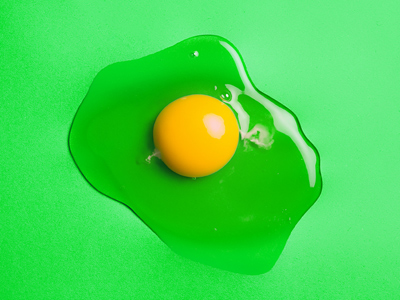
Egg yolk is an emulsifier.
Emulsions
Emulsions are mixtures of liquids that normally won’t blend, like oil and water. In GCSE Chemistry you’ll learn how emulsifiers stabilise them in everyday products.
1 .
What is an emulsion?
A mixture of two or more immiscible liquids, one dispersed in the other
A mixture of a solid dispersed through a liquid
A mixture of two compounds
A special type of compound
The two liquids will not mix and so droplets of one will be suspended in the other
2 .
Which of the following is NOT an example of an emulsion?
Milk
Mayonnaise
Emulsion paint
Gloss paint
The active ingredient in gloss paint (called the binder) is dissolved in a solvent. In emulsion paint, the binder is dispersed in water
3 .
What is an emulsifier?
A substance that stabilises an emulsion
A type of paint
A substance that enables others to separate
A substance that lowers the boiling point of water
Emulsifiers are found in many foods
4 .
An emulsifier molecule has two ends. Pick the correct combination of these two ends.
hydrophobic - head - water hating
hydrophilic - tail - water loving
hydrophilic - tail - water loving
hydrophobic - tail - water hating
hydrophilic - head - water loving
hydrophilic - head - water loving
hydrophobic - tail - water loving
hydrophilic - tail - water hating
hydrophilic - tail - water hating
hydrophobic - tail - water loving
hydrophilic - head - water hating
hydrophilic - head - water hating
Even an emulsion containing an emulsifier will eventually separate
5 .
Pick the combination for what the two ends of the emulsifier molecules do.
hydrophilic head - attracted to water
hydrophobic tail - attracted to oil
hydrophobic tail - attracted to oil
hydrophilic head - attracted to oil
hydrophobic tail - attracted to water
hydrophobic tail - attracted to water
hydrophobic head - attracted to water
hydrophilic tail - attracted to oil
hydrophilic tail - attracted to oil
hydrophobic head - attracted to oil
hydrophilic tail - attracted to water
hydrophilic tail - attracted to water
An example of a food emulsifier is lecithin
6 .
If an emulsion is left to stand, what will eventually happen?
The mixture will remain mixed
A layer of water will settle on top of the oil
A layer of oil will settle on top of the water
The mixture will evaporate
Remember that oil is normally less dense so it floats on water
7 .
Which of the following is an emulsifier?
Vegetable oil
Egg white
Milk
Egg yolk
Egg yolk is used as the emulsifier in mayonnaise to mix oil and water
8 .
When oil tankers sink and lose their oil into the ocean, detergents can be used to help clean up the damage done by the oil. Why does this work?
The detergent dissolves the oil
The detergent acts as an emulsifier and separates the oil and water long enough for the oil to be removed
The detergent forces the oil to dissolve in the water
The detergent breaks down the oil and disperses it over a much larger area
Still harmful to the environment but given time, the smaller blobs of oil will break down naturally. The biggest environmental issues are created when a huge oil slick reaches a shoreline
9 .
Why is detergent rarely used in the way mentioned in question 8?
It is more effective than other methods
It doesn't work
It is relatively expensive and the spills are usually far too large to be treated in this manner
It doesn't work quickly enough
It is usually used on smaller scale clean-up operations such as on a beach, when the oil spill has already broken into smaller areas
10 .
When sea birds that have been coated in oil following an oil spill are treated with detergent, they often don't survive. Why?
The detergent strips the birds of their natural protective oils
The detergents cause diseases
The detergents harm their skin
The detergents clog up the feathers
This also happens with other creatures such as seals. They have natural waterproofing oils on their coats which are removed by detergents



**Unlimited Quizzes Await You! 🚀**
Hey there, quiz champ! 🌟 You've already tackled today's free questions.
Ready for more?
Ready for more?
🔓 Unlock UNLIMITED Quizzes and challenge yourself every day. But that's
not all...
not all...
🔥 As a Subscriber you can join our thrilling "Daily Streak" against other
quizzers. Try to win a coveted spot on our Hall of Fame Page.
quizzers. Try to win a coveted spot on our Hall of Fame Page.
Don't miss out! Join us now and keep the fun rolling. 🎉
**Unlimited Quizzes Await You! 🚀**
Hey there, quiz champ! 🌟 You've already tackled today's free questions. Ready for more?
🔓 Unlock UNLIMITED Quizzes and challenge yourself every day. But that's not all...
🔥 As a Subscriber you can join our thrilling "Daily Streak" against other quizzers. Try to win a coveted spot on our Hall of Fame Page.
Don't miss out! Join us now and keep the fun rolling. 🎉




© Copyright 2016-2026 - Education Quizzes
Work Innovate Ltd - Design | Development |
Marketing
