




Ask the AI Tutor
Need help with The Earth? Ask our AI Tutor!
AI Tutor - Lucy
Connecting with Tutor...
Please wait while we establish connection
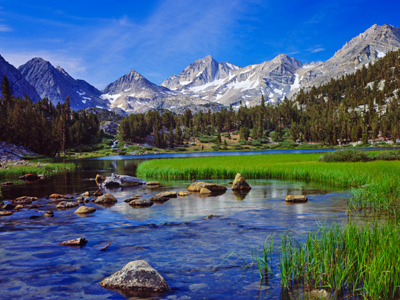
Current scientific thinking is that mountain ranges are formed by large-scale movements in the earth's crust.
The Earth
Explore GCSE Chemistry The Earth: learn how the atmosphere formed, how it changed over time, and what evidence scientists use. Read the notes, then try the quiz below.
1 .
Choose the correct order of layers within the earth starting from the centre.
Inner core, mantle, outer core, crust
Mantle, outer core, crust, inner core
Inner core, outer core, mantle, crust
Crust, mantle, outer core, inner core
Studying earthquake waves has enabled scientists to learn a lot about what the Earth is like inside
2 .
The mantle...
is almost entirely solid but can flow
has an average thickness of 6km under oceans and 35km under continents
is mainly liquid, iron and nickel
is mainly solid, iron and nickel
Because the mantle can flow, convection currents occur
3 .
The crust...
is almost entirely solid but can flow
has an average thickness of 6km under oceans and 35km under continents
is mainly liquid, iron and nickel
is mainly solid, iron and nickel
It is broken into large plates that are moved around by the currents flowing in the mantle
4 .
Alfred Wegener put forward a theory to explain the change in positions of the continents. His theory was that...
the continents had drifted apart
the continents had been forced apart by earthquakes
volcanic eruptions had caused them to separate
the shrinking crust had forced them apart
He had spotted patterns that strongly suggested that continents once had been fitted together, like the pieces of a giant jigsaw
5 .
Why did other scientists not accept Wegener's theory at the time?
They thought that the earth's crust was too thick
They had no way to explain how the continents could move
They thought the earth was expanding
They thought that the continents moved too slowly
Wegener had overestimated how fast the continents were moving apart
6 .
Current scientific thinking is that mountain ranges are formed...
by the earth's crust expanding as it heats up
by earthquakes in the mantle
by large-scale movements in the earth's crust
by weathering and erosion of old mountain ranges
Mountains are seen to be forming where the Earth's plates are moving towards each other
7 .
It is now accepted that the interior of the earth remains hot because of...
friction between the moving tectonic plates
volcanic activity at the plate boundaries
friction between the core and the mantle
natural radioactive processes
Lord Kelvin did not know about this which is why his estimate of the age of the Earth was so far out
8 .
The Atlantic Ocean is about 5,000km wide. It is thought that is has been widening by about 2cm per year since it first formed. How many years has it taken to reach its present width?
1,000 million years
250 million years
25,000 years
1,000 years
Wegener thought that the European and American plates were moving apart at 250cm per year
9 .
What causes the tectonic plates to move?
Tidal waves
Strong ocean currents
Convection currents
Weight of the land on top of the plate
Convection currents occur within the mantle
10 .
There are volcanic islands in several places in the mid-Atlantic Ocean. They have probably been formed there because...
magma has erupted until it is above sea level
the tides have washed up a mound of sediment
there is debris from oil drilling
sediments have piled up along an oceanic ridge
Between 1963 and 1967, an eruption of an underwater volcano created a new island, just south of Iceland. It is called Surtsey and scientists have been studying it ever since



**Unlimited Quizzes Await You! 🚀**
Hey there, quiz champ! 🌟 You've already tackled today's free questions.
Ready for more?
Ready for more?
🔓 Unlock UNLIMITED Quizzes and challenge yourself every day. But that's
not all...
not all...
🔥 As a Subscriber you can join our thrilling "Daily Streak" against other
quizzers. Try to win a coveted spot on our Hall of Fame Page.
quizzers. Try to win a coveted spot on our Hall of Fame Page.
Don't miss out! Join us now and keep the fun rolling. 🎉
**Unlimited Quizzes Await You! 🚀**
Hey there, quiz champ! 🌟 You've already tackled today's free questions. Ready for more?
🔓 Unlock UNLIMITED Quizzes and challenge yourself every day. But that's not all...
🔥 As a Subscriber you can join our thrilling "Daily Streak" against other quizzers. Try to win a coveted spot on our Hall of Fame Page.
Don't miss out! Join us now and keep the fun rolling. 🎉




© Copyright 2016-2026 - Education Quizzes
Work Innovate Ltd - Design | Development |
Marketing
