




Ask the AI Tutor
Need help with The Merchant of Venice - Context? Ask our AI Tutor!
AI Tutor - Lucy
Connecting with Tutor...
Please wait while we establish connection
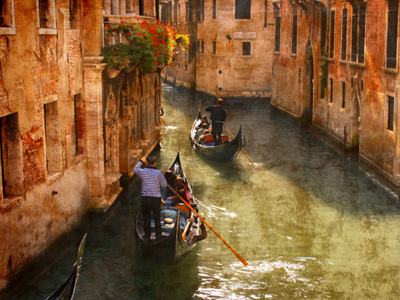
Play this enjoyable quiz about Shakespeare's The Merchant of Venice.
The Merchant of Venice - Context
This GCSE English Literature quiz explores the context of The Merchant of Venice, linking Elizabethan attitudes, religion and trade with the play’s events and themes.
1 .
What is meant by the term "usury"?
The practice of loaning money for a short period of time only
The practice of charging interest on a loan
The practice of loaning money
None of the above
Usury was later redefined to mean primarily the charging of excessive interest on loans
2 .
Europe had a long history of Anti-Semitism which predates the writing of The Merchant of Venice. How does Anti-Semitism impact on the play?
The Christian characters use violent and prejudiced language when speaking to or about the Jewish characters
Shylock's behaviour is influenced by the Christians' expectations of him and by their mistreatment
The play remains Anti-Semitic, even while exposing the Anti-Semitic views of its time
All of the above
The Merchant of Venice is a complex play which manages to evoke sympathy for Shylock even while he fits the very worst Anti-Semitic caricatures of the sixteenth century
3 .
Which of the following is true of sixteenth-century Venice?
It was multicultural
Only Christians could legally live in Venice
Only Christians could legally work in Venice
There were no limits on people of any religion or nationality in Venice
Venice was multicultural in its population, but various laws and customs discriminated against those who were not Christians
4 .
Which of the following statements is true?
Usury was illegal in England until the mid-seventeenth century
Usury was only illegal in Venice
Usury was only illegal in England
Usury is still illegal in Britain today
Charging interest on loans is standard practice throughout much of the world today, but was illegal in England and much of Western Europe until the mid-seventeenth century
5 .
Which of the following statements is true?
Many Jewish people lived openly and traded freely in London during the 16th and 17th centuries
Sixteenth-century London held a famous ghetto
Before Shakespeare's time, England had always been a safe place for Jewish people to live
During the Middle Ages, Jews were forced to leave England
Jews were expelled from England in 1290, under the reign of Edward I. There were very few Jewish people living in England during Shakespeare's life
6 .
What was the greatest source of wealth in sixteenth-century Venice?
Piracy
Mining
International trade
Agriculture
Antonio's activities help to make Venice and its citizens rich. Shylock and other people who are able to make a living from money lending play their own role in increasing the wealth of the city
7 .
When was The Merchant of Venice written?
In the 15th century
Around 1600
Around 1700
In the 19th century
The Merchant of Venice was written by 1598
8 .
Which of the following is an alternate title for the play?
The Jew of Malta
The Jew of Venice
The Merchant and the Jew
The Doctor of Venice
What difference does the alternate title make in how you see the play? Does it change the perspective of the audience?
9 .
What was the "ghetto" in sixteenth-century Venice?
A residential area where Jews were forced to live
A name for the poorest neighbourhood
A name for the wealthiest neighbourhood
A neighbourhood where the Jews of Venice chose to live
Venice's Jewish population was placed under strict controls and Jews were only permitted to live in a place called the Ghetto. Shakespeare might not have known of this, since it is not mentioned in the play
10 .
A famous trial might have been an influence on The Merchant of Venice. Whose trial?
Elizabeth I's wig maker
Elizabeth I's personal secretary
Elizabeth I's doctor
Sir Walter Raleigh
Roderigo Lopez, a Jewish doctor who had converted to Christianity, was accused of attempting to poison the queen. He was sentenced to death and was eventually executed in 1594



**Unlimited Quizzes Await You! 🚀**
Hey there, quiz champ! 🌟 You've already tackled today's free questions.
Ready for more?
Ready for more?
🔓 Unlock UNLIMITED Quizzes and challenge yourself every day. But that's
not all...
not all...
🔥 As a Subscriber you can join our thrilling "Daily Streak" against other
quizzers. Try to win a coveted spot on our Hall of Fame Page.
quizzers. Try to win a coveted spot on our Hall of Fame Page.
Don't miss out! Join us now and keep the fun rolling. 🎉
**Unlimited Quizzes Await You! 🚀**
Hey there, quiz champ! 🌟 You've already tackled today's free questions. Ready for more?
🔓 Unlock UNLIMITED Quizzes and challenge yourself every day. But that's not all...
🔥 As a Subscriber you can join our thrilling "Daily Streak" against other quizzers. Try to win a coveted spot on our Hall of Fame Page.
Don't miss out! Join us now and keep the fun rolling. 🎉




© Copyright 2016-2026 - Education Quizzes
Work Innovate Ltd - Design | Development |
Marketing
