




Ask the AI Tutor
Need help with Formulas and Equations (F)? Ask our AI Tutor!
AI Tutor - Lucy
Connecting with Tutor...
Please wait while we establish connection
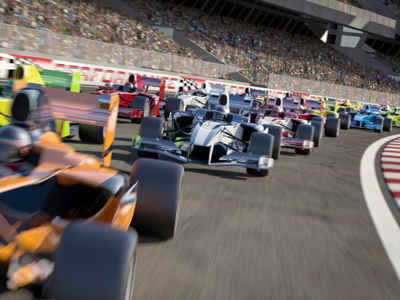
Formula One teams need to know all about formulas!
Formulas and Equations (F)
Learn GCSE Foundation formulas. Substitute values, rearrange equations, and choose correct units. Apply area, perimeter, Pythagoras, and speed = distance ÷ time with sensible rounding.
Question 1
/Q7c.PNG)
/Q7a1c.PNG)
/Q7a2c.PNG)
/Q7a3c.PNG)
/Q7a4c.PNG)
/Q7hcc.PNG)
Question 2
/Q8c.PNG)
/Q8a1c.PNG)
/Q8a2c.PNG)
/Q8a3c.PNG)
/Q8a4c.PNG)
/Q8hcc.PNG)
Question 3
/Q4c2.PNG)
/Q4a1.PNG)
/Q4a2.PNG)
/Q4a3resnip.PNG)
/Q4a4.PNG)
/Q4hc.PNG)
Question 4
/Q2cc.PNG)
/Q2a1.PNG)
/Q2a2.PNG)
/Q2a3.PNG)
/Q2a4.PNG)
/Q2hc.PNG)
Question 5
/Q3.PNG)
/Q3a1.PNG)
/Q3a2.PNG)
/Q3a3.PNG)
/Q3a4.PNG)
/Q3hcc.PNG)
Question 6
/Q1.PNG)
/Q1a1.PNG)
/Q1a2.PNG)
/Q1a3.PNG)
/Q1a4.PNG)
/Q1hc.PNG)
Question 7
/Q9c.PNG)
/Q9a1c.PNG)
/Q9a2c.PNG)
/Q9a3c.PNG)
/Q9a4c.PNG)
/Q9hcc.PNG)
Question 8
/Q10c.PNG)
/Q10a1c.PNG)
/Q10a2c.PNG)
/Q10a3c.PNG)
/Q10a4c.PNG)
/Q10hcc.PNG)
Question 9
/Q6cx.PNG)
/Q6a1c.PNG)
/Q6a2c.PNG)
/Q6a3c.PNG)
/Q6a4c.PNG)
/Q6hc3.PNG)
Question 10
/Formulas-F-Q5c.PNG)
/Q5a1.PNG)
/Q5a2.PNG)
/Q5a3.PNG)
/Q5a4.PNG)
/Q5hccc.PNG)
Our Social Circles




**Unlimited Quizzes Await You! 🚀**
Hey there, quiz champ! 🌟 You've already tackled today's free questions.
Ready for more?
Ready for more?
🔓 Unlock UNLIMITED Quizzes and challenge yourself every day. But that's
not all...
not all...
🔥 As a Subscriber you can join our thrilling "Daily Streak" against other
quizzers. Try to win a coveted spot on our Hall of Fame Page.
quizzers. Try to win a coveted spot on our Hall of Fame Page.
Don't miss out! Join us now and keep the fun rolling. 🎉
**Unlimited Quizzes Await You! 🚀**
Hey there, quiz champ! 🌟 You've already tackled today's free questions. Ready for more?
🔓 Unlock UNLIMITED Quizzes and challenge yourself every day. But that's not all...
🔥 As a Subscriber you can join our thrilling "Daily Streak" against other quizzers. Try to win a coveted spot on our Hall of Fame Page.
Don't miss out! Join us now and keep the fun rolling. 🎉
© Copyright 2016-2026 - Education Quizzes
Work Innovate Ltd - Design | Development |
Marketing
