




Ask the AI Tutor
Need help with Similarity (F)? Ask our AI Tutor!
AI Tutor - Lucy
Connecting with Tutor...
Please wait while we establish connection

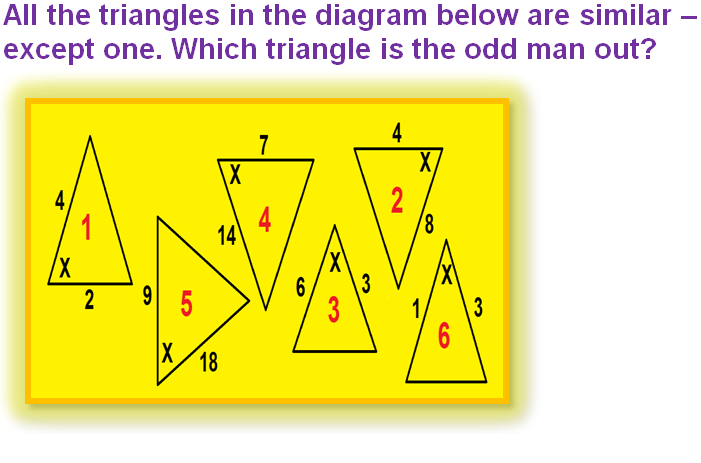
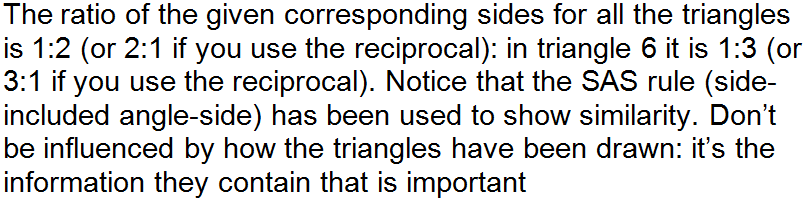
All the triangles in the diagram above are similar – except one. Which triangle is the odd man out? Question 8 awaits your answer...
Similarity (F)
Learn similarity in GCSE Maths: compare shapes by equal angles and proportional sides, use scale factors, and link lengths, areas and volumes in diagrams and exam problems.
Question 1
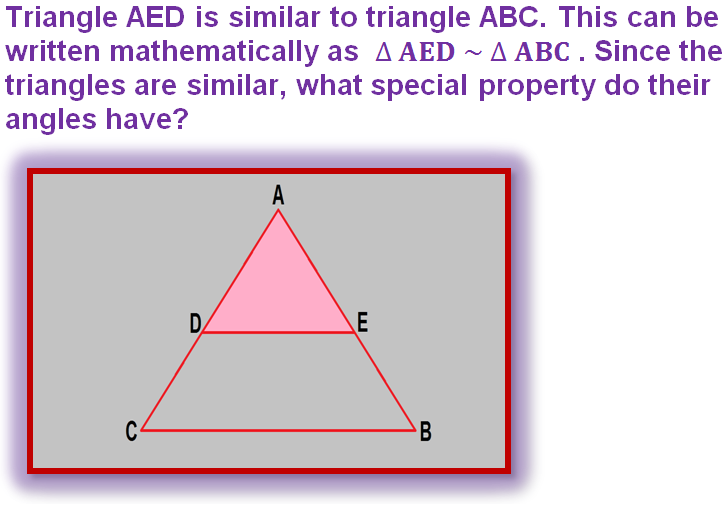




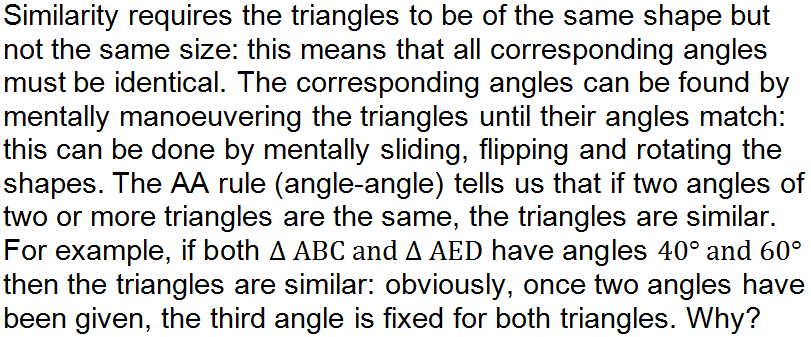
Question 2
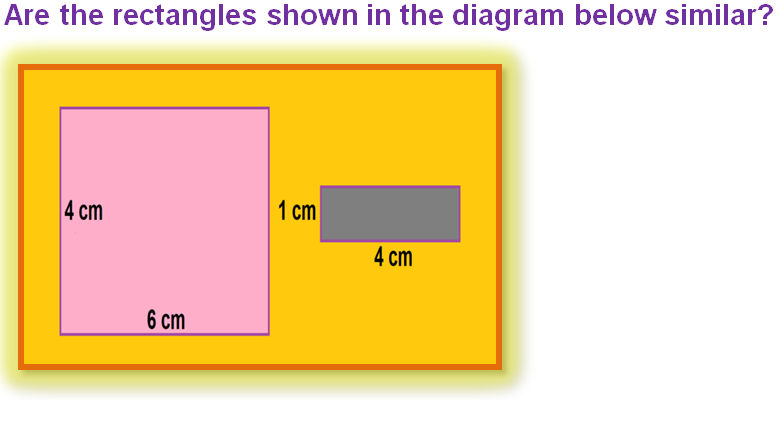




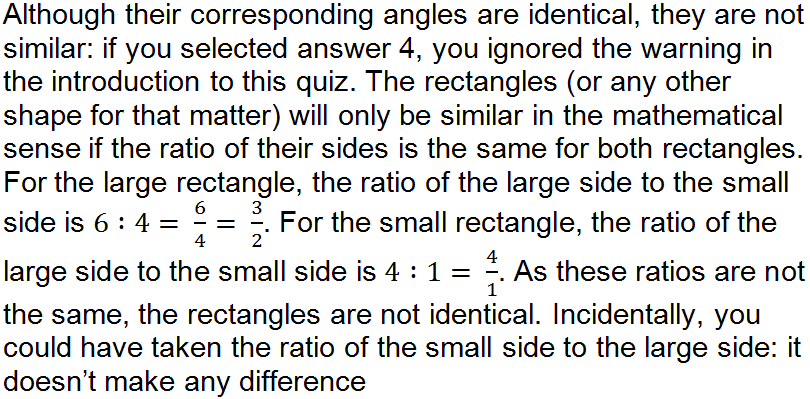
Question 3
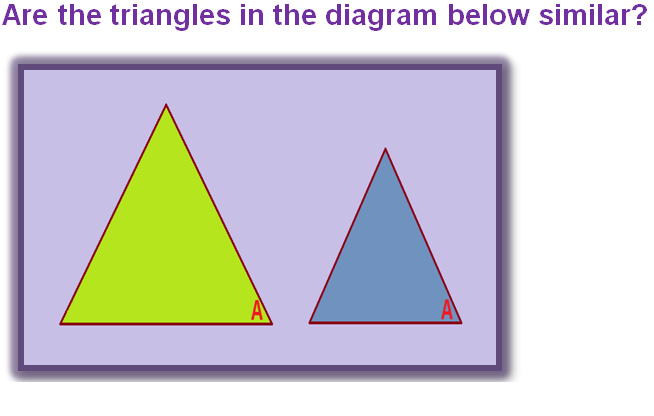





Question 4
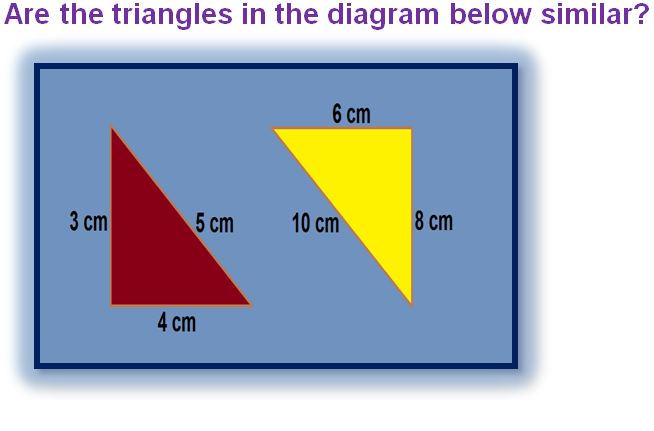




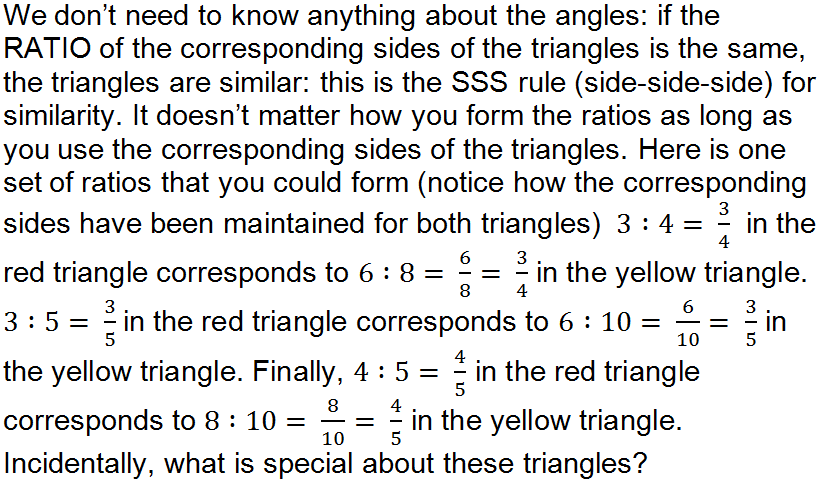
Question 5
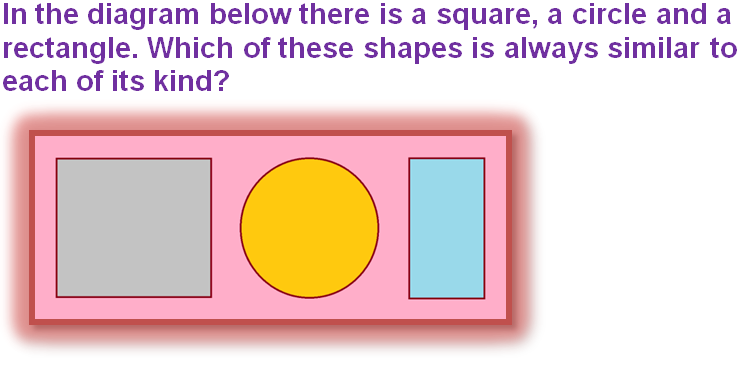




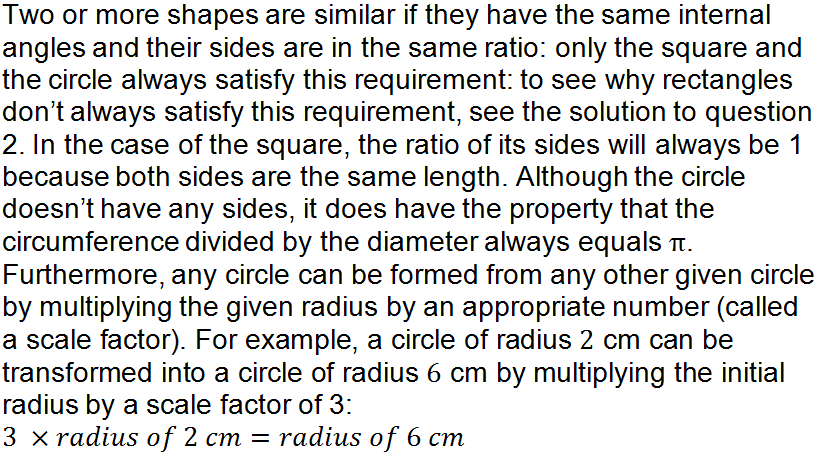
Question 6
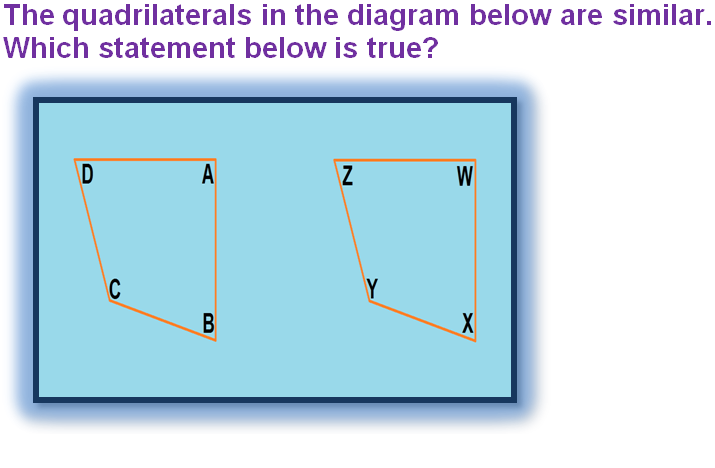




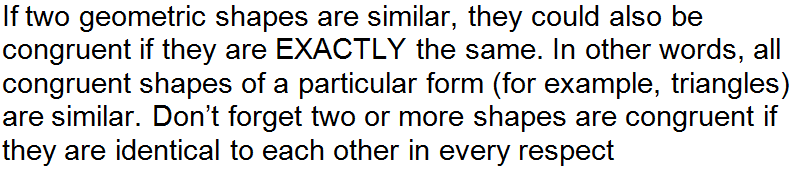
Question 7
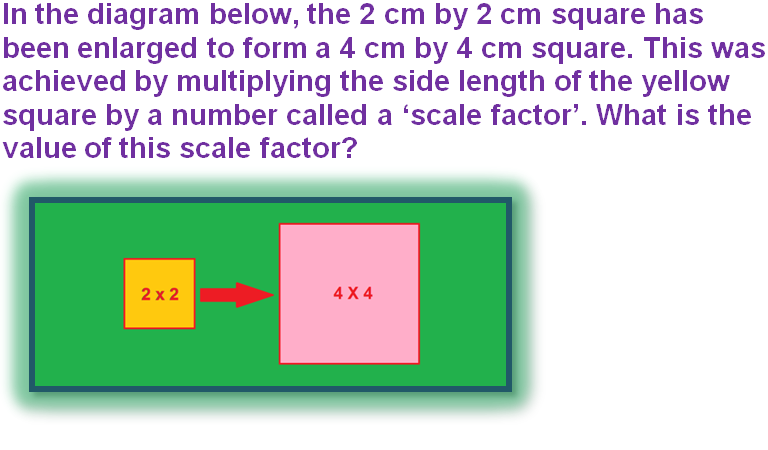


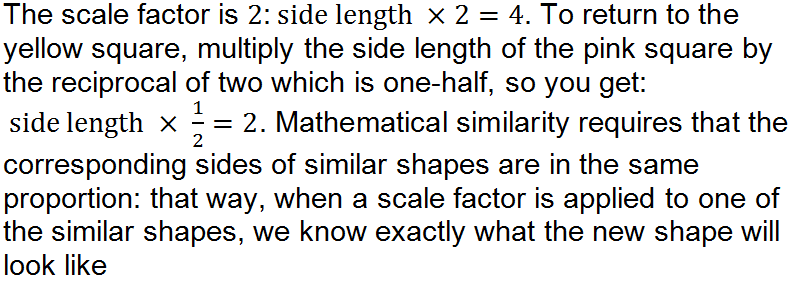
Question 8




Question 9




Question 10




Our Social Circles




**Unlimited Quizzes Await You! 🚀**
Hey there, quiz champ! 🌟 You've already tackled today's free questions.
Ready for more?
🔓 Unlock UNLIMITED Quizzes and challenge yourself every day. But that's
not all...
🔥 As a Subscriber you can join our thrilling "Daily Streak" against other
quizzers. Try to win a coveted spot on our Hall of Fame Page.
Don't miss out! Join us now and keep the fun rolling. 🎉
**Unlimited Quizzes Await You! 🚀**
Hey there, quiz champ! 🌟 You've already tackled today's free questions. Ready for more?
🔓 Unlock UNLIMITED Quizzes and challenge yourself every day. But that's not all...
🔥 As a Subscriber you can join our thrilling "Daily Streak" against other quizzers. Try to win a coveted spot on our Hall of Fame Page.
Don't miss out! Join us now and keep the fun rolling. 🎉
© Copyright 2016-2026 - Education Quizzes
Work Innovate Ltd - Design | Development |
Marketing
