




Ask the AI Tutor
Need help with Electricity - Methods we use to Generate Electricity? Ask our AI Tutor!
AI Tutor - Lucy
Connecting with Tutor...
Please wait while we establish connection
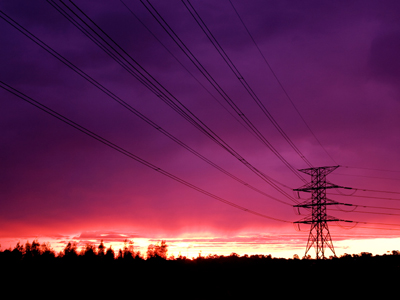
An advantage of overhead electrical lines compared to underground lines is that they are cheap to repair.
Electricity - Methods we use to Generate Electricity
How do power stations turn fuels, wind, or sunlight into useful electricity? This GCSE Physics quiz explores real-world methods we use to generate energy for homes and industry.
1 .
How do solar cells create electricity?
Absorb light energy from the sun
Use turbines which are turned by the wind
Turbine turned by water flows through pipes
Uses steam produced in the Earth's crust to drive turbines
This is known as the photovoltaic effect. Be careful not to confuse solar cells with solar panels which reduce household electricity use by producing hot water by absorbing the Sun's heat
2 .
What is an advantage of using gas?
Risk of spillage during transport
Produce CO2 and SO2
Flexible in meeting demand and has a quick start-up time
Produce radioactive material
Gas fired power stations can be started up a lot quicker than coal, oil or nuclear stations
3 .
Why is decommissioning a nuclear power plant expensive?
The radioactive material has to be fired into space
Radioactive material needs to be disposed of
It is no more costly than decommissioning any other power plant
The material left over has to be used and this takes time and requires man power to ensure the material is safely burned
This requires specialist techniques and materials to ensure the nuclear hazard does not get into the environment
4 .
What is an advantage of overhead electrical lines compared to underground lines?
Cheaper to repair
Affected by weather
There is no advantage to using overhead lines as opposed to underground
Overhead lines produce more electricity
They are also cheaper to set up. Buried power cables do have many advantages but in the end, the decision usually comes down to balancing the costs with convenience to consumers
5 .
Which of the following fossil fuels has the shortest start-up time?
Coal
Oil
Gas
They all have the same start up time
Oil fired power stations have a shorter start up time than coal
6 .
What is an advantage of renewable sources of energy?
Produce small amounts of electricity
There is an unlimited supply
High maintenance
High initial capital outlay
There are limited supplies of fossil and nuclear fuels
7 .
Which of the following materials are used in nuclear reactors?
Argon
Kryptonite
Coal
Uranium and plutonium
The most common nuclear fuels are the isotopes of these two elements - uranium-235 and plutonium-239. Kryptonite is a fictional material from the Superman stories, it doesn't exist in real life!!
8 .
What is an advantage of burning coal?
Cheap and plentiful supplies
Produces more CO2 per unit of energy than oil or gas
Causes acid rain
Will never run out
Coal-fired power stations are flexible in meeting demand and have a quicker start-up time than nuclear plants. It is estimated that there may be over a century's worth of coal left
9 .
What is an advantage of nuclear power?
Radioactive waste produced
No CO2 or SO2 produced
Costly decommissioning process
Long start-up time
The cost of fuel for nuclear plants is relatively low. They only require small amounts of fuel in order to be able to create large amounts of energy but building nuclear power stations is extremely expensive
10 .
What is an advantage of using water pumped storage systems?
Uses less electricity
Increases cost of electricity at peak times
Creates electricity at peak times enabling demand to be met
It creates free electricity
Using water pumped storage systems allows power companies to pump water into a high lake using electricity obtained at low demand times, ensuring all power demands can be met during peak times. Its start up time is just a few seconds



**Unlimited Quizzes Await You! 🚀**
Hey there, quiz champ! 🌟 You've already tackled today's free questions.
Ready for more?
Ready for more?
🔓 Unlock UNLIMITED Quizzes and challenge yourself every day. But that's
not all...
not all...
🔥 As a Subscriber you can join our thrilling "Daily Streak" against other
quizzers. Try to win a coveted spot on our Hall of Fame Page.
quizzers. Try to win a coveted spot on our Hall of Fame Page.
Don't miss out! Join us now and keep the fun rolling. 🎉
**Unlimited Quizzes Await You! 🚀**
Hey there, quiz champ! 🌟 You've already tackled today's free questions. Ready for more?
🔓 Unlock UNLIMITED Quizzes and challenge yourself every day. But that's not all...
🔥 As a Subscriber you can join our thrilling "Daily Streak" against other quizzers. Try to win a coveted spot on our Hall of Fame Page.
Don't miss out! Join us now and keep the fun rolling. 🎉




© Copyright 2016-2026 - Education Quizzes
Work Innovate Ltd - Design | Development |
Marketing
