




Ask the AI Tutor
Need help with Energy - Energy and Efficiency? Ask our AI Tutor!
AI Tutor - Lucy
Connecting with Tutor...
Please wait while we establish connection
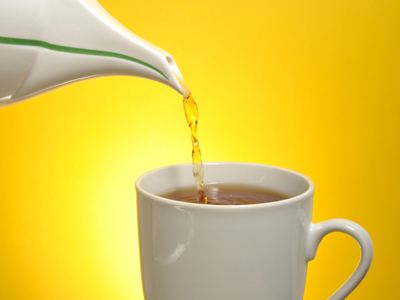
You could save money boiling a kettle for one cup of tea by using enough water to boil just one cup.
Energy - Energy and Efficiency
Energy cannot be created or destroyed, only transferred. This GCSE Physics quiz helps you practise energy efficiency, wasted energy, and interpreting Sankey diagrams.
1 .
What is the efficiency of a solar cell if 1000 J of solar energy hits the cell and 200 J are converted into electrical energy?
10%
20%
30%
40%
200 divided by 1000 then multiplied by 100 to convert into a percentage
2 .
What is electrical energy converted into when a drill is used?
Kinetic energy
Sound
Heat
All of the above
It is the kinetic energy that is useful
3 .
An old boiler system is replaced with a solar heating system. The old boiler cost £250 per year to run. The new solar heating system costs £0 to run but cost £2,000 to install. How long will it take to start saving money?
4 years
6 years
8 years
10 years
The solar water heating system saves £250 per year so dividing the cost of installation by the savings each year leads you to the correct answer
4 .
Electrical energy in a kettle changes to what type(s) of energy?
Heat
Sound
Light
All of the above
Whilst heat is the predominant output of energy transfer, sound and light are given off as wasted energy. It could be argued that the light is actually useful as it lets you see that the electricity to the kettle is switched on but it is generally regarded as wasted since it isn't involved directly in boiling the water
5 .
Electrical energy in a TV changes to what type(s) of energy?
Heat
Sound
Light
All of the above
The TV also emits the same types of energy transfers, however they are in a different proportion with light and sound being the dominant transfers
6 .
An energy saving bulb replaces a 60 W lamp which cost £4.65 each year to run and 20p to buy. The new low energy bulb costs just £2 per year to run and 65p to buy. How long will it take to start saving money on the running costs due to the change?
4 months
5 months
6 months
12 months
The 60 W lamp costs just under 39p per month to run, the energy saving bulb costs just under 17p per month to run. By the end of 3 months, the 60W bulb will have cost about £1.37 to buy and run but the energy saving bulb has cost £1.26 to buy and run so from late on in the third month, money is saved. The closest answer to this is 4 months, therefore that is the correct choice
7 .
What would be a good idea to save energy and money?
Replace old appliances with energy efficient ones
Only leave appliances switched on when being used
Use energy saving light bulbs
All of the above
Performing all of the steps above may cost a lot in the short term, however the long term benefits of implementing such a plan would help to reduce your yearly bills and help the environment too!
8 .
How could you save money boiling a kettle for one cup of tea?
Use only enough water to boil for one cup
You cannot
Fill kettle to the top
Fill kettle half-way
Do any members of your family automatically fill up the kettle whenever they make a cup of tea or is everyone 'energy aware' and only uses the amount of water that is needed?
9 .
Which appliance uses the most energy?
Energy saving light bulb
Tumble dryer
Solar panel
TV
You are expected to be aware of appliances that use a lot of energy and those which use less energy either with or without being given any energy transfer or power figures
10 .
A heat exchanger can be used to convert which type of wasted energy into a useful source of power?
Light
Sound
Heat
Electrical
It's all in the name! Adding a heat exchanger system to a chimey can recover some of the heat that would have been lost to the outside. This can then go towards heating domestic hot water or heating the house, increasing the efficiency. In eco-houses, heat exchangers are used to warm the air coming in through the ventilation system. This increases the efficiency of the house by keeping heat energy that would otherwise have been lost to the outside, inside the house



**Unlimited Quizzes Await You! 🚀**
Hey there, quiz champ! 🌟 You've already tackled today's free questions.
Ready for more?
Ready for more?
🔓 Unlock UNLIMITED Quizzes and challenge yourself every day. But that's
not all...
not all...
🔥 As a Subscriber you can join our thrilling "Daily Streak" against other
quizzers. Try to win a coveted spot on our Hall of Fame Page.
quizzers. Try to win a coveted spot on our Hall of Fame Page.
Don't miss out! Join us now and keep the fun rolling. 🎉
**Unlimited Quizzes Await You! 🚀**
Hey there, quiz champ! 🌟 You've already tackled today's free questions. Ready for more?
🔓 Unlock UNLIMITED Quizzes and challenge yourself every day. But that's not all...
🔥 As a Subscriber you can join our thrilling "Daily Streak" against other quizzers. Try to win a coveted spot on our Hall of Fame Page.
Don't miss out! Join us now and keep the fun rolling. 🎉




© Copyright 2016-2026 - Education Quizzes
Work Innovate Ltd - Design | Development |
Marketing
