




Ask the AI Tutor
Need help with Year 1 - Adding ed? Ask our AI Tutor!
AI Tutor - Lucy
Connecting with Tutor...
Please wait while we establish connection

How good are you at spelling?
Year 1 - Adding ed
Learn how to add ed to show something happened already. These spelling rules help you write past tense verbs correctly, even when the word changes a little.
1 .
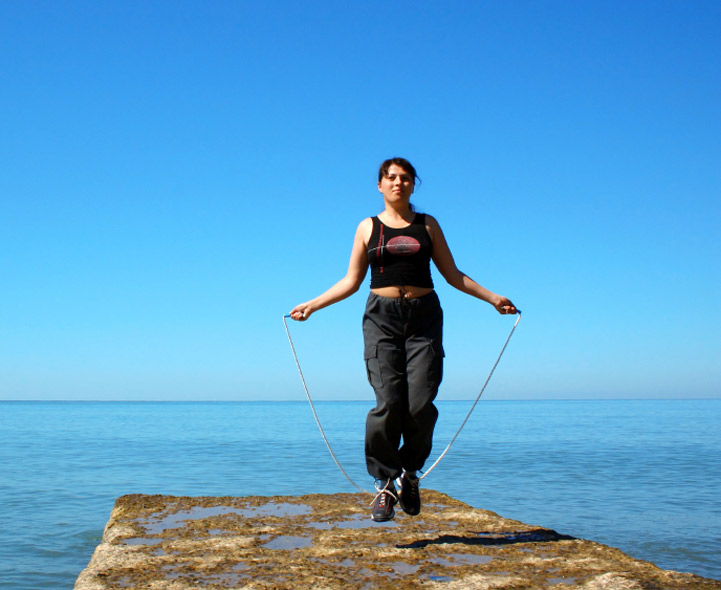
Spell the missing word: She _____ for ten minutes.
skiped
skipped
scipped
sciped
Here the 'i' sound is considered a short vowel sound and that is why the 'p' is doubled.
2 .
Spell the missing word: The dog laughed and _____ all day.

playd
played
plaed
playyed
The vowel sound in this word is considered long as you say 'aye' not 'ah', that is why we don't double the last letter.
3 .
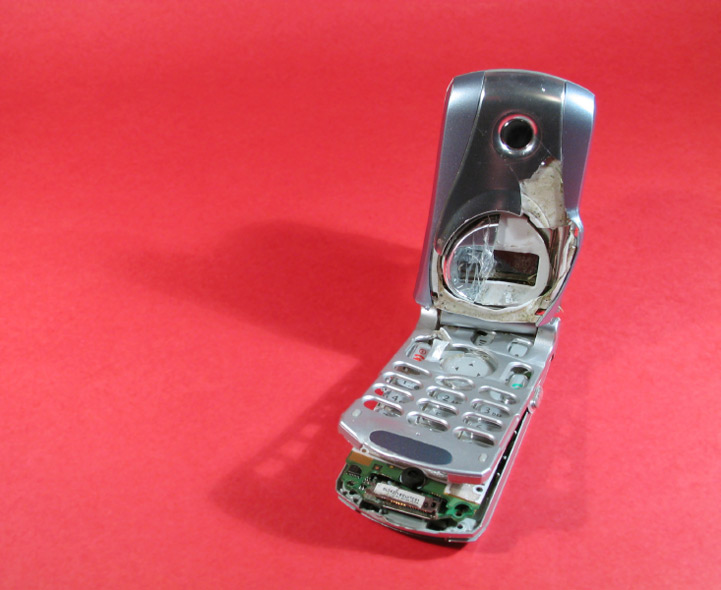
Spell the missing word: Her phone has been _____.
smashed
smashhed
smasht
smased
Phones can be very expensive to fix, that's why many people buy protective covers for them.
4 .
Spell the missing word: They _____ fists.

bumpt
bumped
bumpped
bumed
The present tense word for this is 'bump' but if you did this in the past then we add 'ed', making it 'bumped'.
5 .
Change the word 'dance' to the past tense.

danceed
dancd
darnced
danced
If the verb ends in an 'e' already, you just need to add a 'd'.
6 .
Spell the missing word: They _____ a cake.

baked
bakeed
baced
backed
The word 'bake' ends in an 'e', so we only need to add 'd' to turn into into 'baked'.
7 .
Spell the missing word: He _____ over.

slipped
sliped
slipt
slipd
This is a short vowel sound. Make sure you spell the verb first, like 'slip' then add the last three letters.
8 .
Spell the missing word: What has _____ to your room?

hapened
happenned
happened
hapenned
The best way to spell this word is to write 'happen' then just add 'ed' to the end.
9 .
Spell the missing word: You have been _____.

stoped
stopped
stoppped
stopt
The 'o' sound in this word is considered to be a short vowel sound, this means the 'o' sound isn't stressed like it is in the word 'look'. When the vowel sound is short, we double the last letter then add 'ed'.
10 .
Spell the missing word: She _____ if she could play on the slide.

askd
askt
asked
arsked
For this one, you should write the verb 'ask' then add the 'ed' after.



**Unlimited Quizzes Await You! 🚀**
Hey there, quiz champ! 🌟 You've already tackled today's free questions.
Ready for more?
Ready for more?
🔓 Unlock UNLIMITED Quizzes and challenge yourself every day. But that's
not all...
not all...
🔥 As a Subscriber you can join our thrilling "Daily Streak" against other
quizzers. Try to win a coveted spot on our Hall of Fame Page.
quizzers. Try to win a coveted spot on our Hall of Fame Page.
Don't miss out! Join us now and keep the fun rolling. 🎉
**Unlimited Quizzes Await You! 🚀**
Hey there, quiz champ! 🌟 You've already tackled today's free questions. Ready for more?
🔓 Unlock UNLIMITED Quizzes and challenge yourself every day. But that's not all...
🔥 As a Subscriber you can join our thrilling "Daily Streak" against other quizzers. Try to win a coveted spot on our Hall of Fame Page.
Don't miss out! Join us now and keep the fun rolling. 🎉




© Copyright 2016-2026 - Education Quizzes
Work Innovate Ltd - Design | Development |
Marketing
