




Ask the AI Tutor
Need help with Year 1 - High Frequency Words - Part 1? Ask our AI Tutor!
AI Tutor - Lucy
Connecting with Tutor...
Please wait while we establish connection

Knowing how to spell is important when writing stories.
Year 1 - High Frequency Words - Part 1
High frequency words are common words you see all the time. Practise spelling them correctly so your reading and writing become quicker, smoother, and more confident.
To see a larger image, click on the picture.
1 .
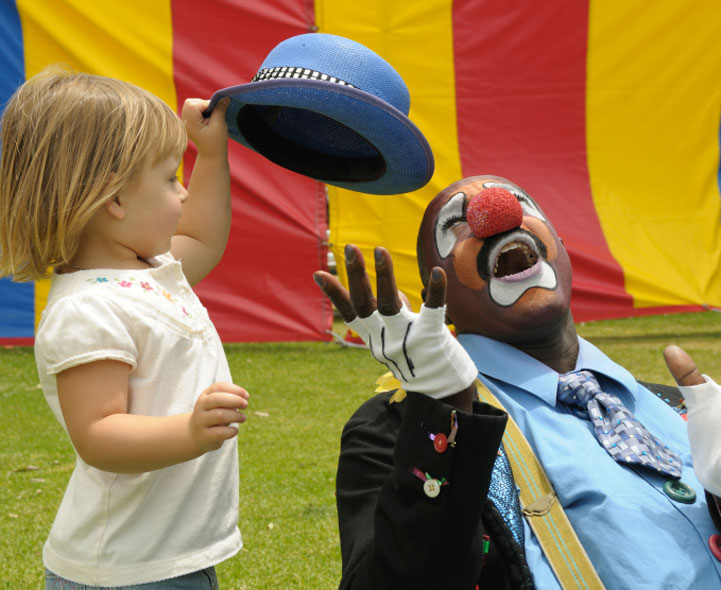
Spell this missing word: _____ are very funny.
U
Uo
You
Yuo
The letter 'u' is said the same way as the word 'you'.
2 .
Spell this missing word: She _____ a lovely hat on her head.

haz
has
his
hass
The word 'has' sounds similar to the word 'as'.
3 .
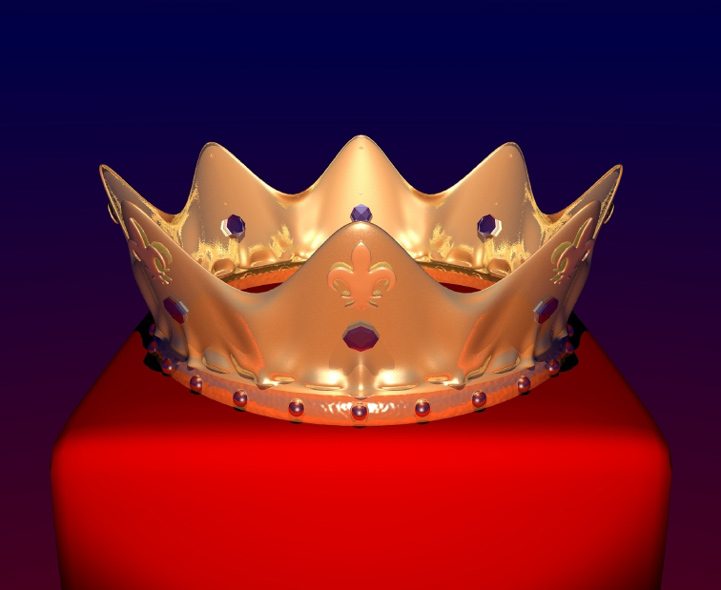
Spell this missing word: She is the Queen _____ Spain.
ov
off
of
ove
Here the 'f' sound makes a 'v' sound.
4 .
Spell this missing word: _____ is Monday.

Tooday
Today
Todai
Todday
The word 'today' is two words pushed together: 'to' and 'day'.
5 .
Spell this missing word: He _____ very tall.

iz
es
ez
is
Make sure you don't get confused between the 'i' and 'e' sound!
6 .
Spell this missing word: Where _____ you?

wer
wher
were
weer
Don't forget the way we tell the difference between 'where' and 'were' is that 'where' has the word 'here' inside it, so that word is to do with place.
7 .
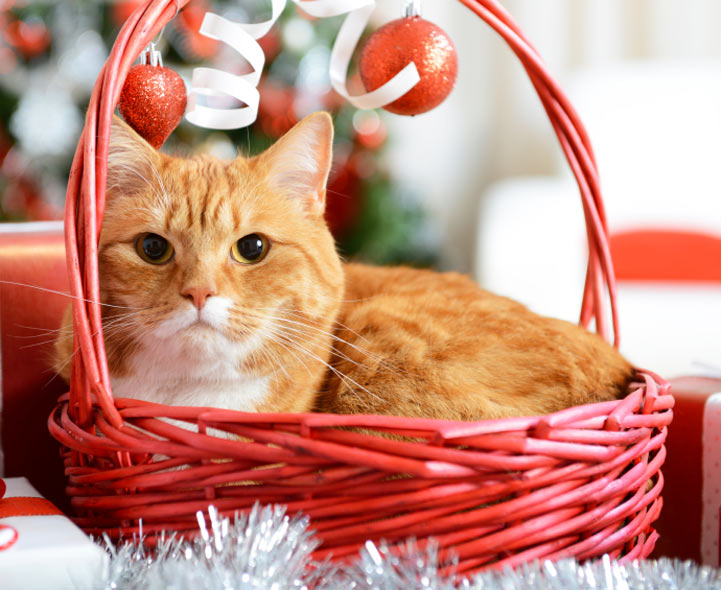
Spell the missing word that fits in both gaps: _____ cat is in _____ basket.
The
Ve
Thee
Th
The word 'the' is often used in our sentences and so, must always be spelt correctly. There is a word 'thee' but it was used in the 1600s and meant 'you'.
8 .
Spell this missing word: "Hello," he _____.

sed
sad
said
sayed
When we say someone is speaking we often use the word 'said'. This is a good word to remember as you'll use it lots!
9 .
Spell this missing word: How _____ you?

r
ar
arr
are
'Ar' does make the same sound as 'are' but a sound is not a word!
10 .
Spell this missing word: He _____ going to give you his last sweet.

wuz
was
woz
wos
Jelly Babies (sweets) used to be called Peace Babies.



**Unlimited Quizzes Await You! 🚀**
Hey there, quiz champ! 🌟 You've already tackled today's free questions.
Ready for more?
Ready for more?
🔓 Unlock UNLIMITED Quizzes and challenge yourself every day. But that's
not all...
not all...
🔥 As a Subscriber you can join our thrilling "Daily Streak" against other
quizzers. Try to win a coveted spot on our Hall of Fame Page.
quizzers. Try to win a coveted spot on our Hall of Fame Page.
Don't miss out! Join us now and keep the fun rolling. 🎉
**Unlimited Quizzes Await You! 🚀**
Hey there, quiz champ! 🌟 You've already tackled today's free questions. Ready for more?
🔓 Unlock UNLIMITED Quizzes and challenge yourself every day. But that's not all...
🔥 As a Subscriber you can join our thrilling "Daily Streak" against other quizzers. Try to win a coveted spot on our Hall of Fame Page.
Don't miss out! Join us now and keep the fun rolling. 🎉




© Copyright 2016-2026 - Education Quizzes
Work Innovate Ltd - Design | Development |
Marketing
