




Ask the AI Tutor
Need help with Year 1 - High Frequency Words - Part 3? Ask our AI Tutor!
AI Tutor - Lucy
Connecting with Tutor...
Please wait while we establish connection

Every English word is spelt from only 26 letters!
Year 1 - High Frequency Words - Part 3
These Year 1 high frequency words appear in lots of sentences. Practise spelling them, spotting them quickly, and using them correctly so your reading and writing feel easier.
1 .
Spell the missing word: _____ upon a time.

Runce
Ones
Once
Onse
If a story starts with 'Once upon a time...' then we know straight away, it's a fairy tale.
2 .
Spell the missing word: She is my best _____.

frend
freind
frand
friend
If you remember how to spell this one, then you can remember this new word: fiend. It's spelt the same but without the 'r' and means monster or demon.
3 .
Spell the missing word: _____ day I'll be a princess!

One
Rone
Ron
Run
When Prince William married Kate, she became a princess!
4 .
Spell the missing word: This is _____ favourite song.

are
ar
our
hour
People often get 'our' and 'are' confused. 'Our' means something belongs to more than one person and 'are' is often used in a question, for instance, 'Are you my friend?'
5 .
Spell the missing word: This is my lovely new _____.

has
hause
hous
house
This is a tricky word because there is an 'e' at the end of the word, even though phonetically you can sound the word out without the 'e', like this : h + ou + s.
6 .
Spell the missing word: This suitcase is _____.

full
foul
fool
fule
Full and pull are both spelt the same way and are both high frequency words.
7 .
Spell the missing word: She _____ her shoes on the table.
put
poot
pute
purt
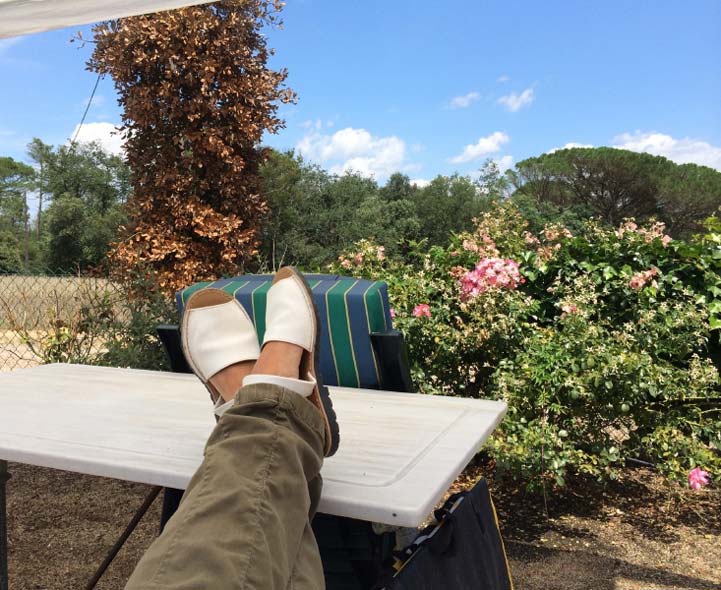
It is considered to be unlucky if you put new shoes on a table and it is considered to be bad manners if you put any shoes on a table!
8 .
Spell the missing word: You need to _____ if you want to borrow my car.

arsk
ask
asc
arsc
Depending on which part of the country you come from, ask can be pronounced 'ask' or 'arsk' but it is always spelt 'ask'!
9 .
Spell the missing word: The opposite to pull is _____.
posh
poosh
push
pushe
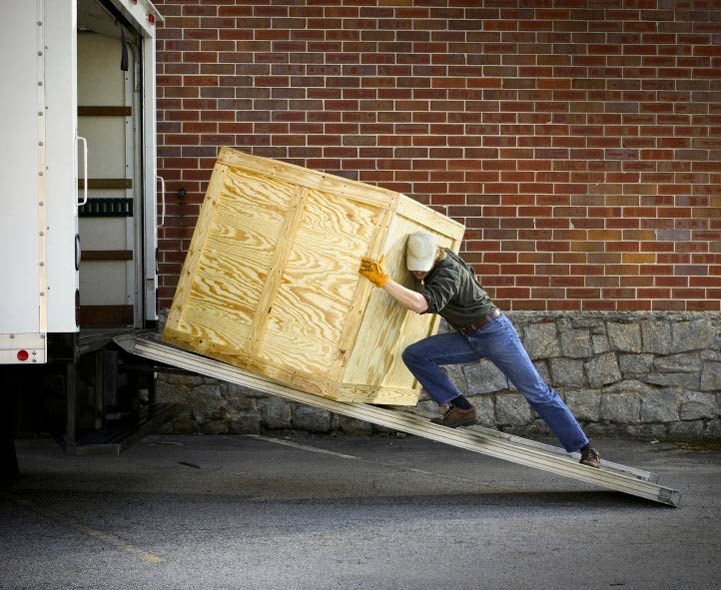
Push and pull are both types of forces or movements.
10 .
Spell the missing word: I went to _____ today.

skool
school
scool
schol
We also call a group of fish a school, so we'd say a school of fish.



**Unlimited Quizzes Await You! 🚀**
Hey there, quiz champ! 🌟 You've already tackled today's free questions.
Ready for more?
Ready for more?
🔓 Unlock UNLIMITED Quizzes and challenge yourself every day. But that's
not all...
not all...
🔥 As a Subscriber you can join our thrilling "Daily Streak" against other
quizzers. Try to win a coveted spot on our Hall of Fame Page.
quizzers. Try to win a coveted spot on our Hall of Fame Page.
Don't miss out! Join us now and keep the fun rolling. 🎉
**Unlimited Quizzes Await You! 🚀**
Hey there, quiz champ! 🌟 You've already tackled today's free questions. Ready for more?
🔓 Unlock UNLIMITED Quizzes and challenge yourself every day. But that's not all...
🔥 As a Subscriber you can join our thrilling "Daily Streak" against other quizzers. Try to win a coveted spot on our Hall of Fame Page.
Don't miss out! Join us now and keep the fun rolling. 🎉




© Copyright 2016-2026 - Education Quizzes
Work Innovate Ltd - Design | Development |
Marketing
