




Ask the AI Tutor
Need help with Year 1 - Spelling Review 2? Ask our AI Tutor!
AI Tutor - Lucy
Connecting with Tutor...
Please wait while we establish connection

Read out loud with school friends to improve your spelling.
Year 1 - Spelling Review 2
Spelling Review 2 helps Year 1 practise sounds, tricky words, and careful writing choices. Read the topic notes, then answer the quiz questions below.
1 .
That ____ is very ____.

person and heavy
person and heavey
person and heavie
person and hevy
The sound 'ea' is sometimes the same as 'ee' but sometimes it is 'eh' like in the word 'heavy'.
2 .
Please ____ me your pet ____.
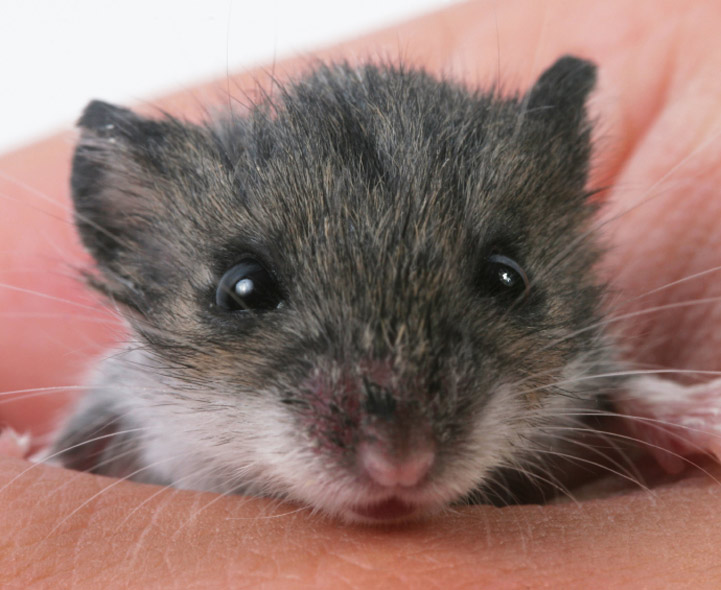
showe and mous
show and mouse
show and mous
shoow and mouse
Here we have the 'ow' sound which is said like the letter 'o' - its alphabet name. Sometimes the 'ow' sound is said the same way as you say 'ou'.
3 .
I ____ him for being late; it's ____ o'clock!

blame and fiev
blaym and five
blame and five
blame and fighv
Both these words end with magic 'e' - this means the vowel (second letter) says its alphabet name instead of 'ah' or 'ih'.
4 .
We saw the ____ ____.

babie and crawl
babey and crawl
baby and crawl
baby and crawle
Here the 'aw' sound is the same as 'al'.
5 .
The ____ went to ____ every Sunday.

girl and chursh
gurl and church
girl and church
girle and church
Both the 'ir' and 'ur' sound are quite similar.
6 .
In ____ I promise to be ____.

June and cinder
Joon and kinder
Joone and kinder
June and kinder
June is a month of the year and so must always have a capital letter.
7 .
Please ____ a ____ from the library.

chose and book
choose and booke
choos and book
choose and book
These words show the two different ways the 'oo' digraph can be said: as 'oo/ew' and 'oo/uh'.
8 .
I have ____ to ____ at night.

started and dreem
started and dream
startd and dream
started and jream
These words have the 'ar' sound and the 'ea' sound.
9 .
I ____ all ____ because I didn't want to go to the circus.

cried and night
cride and night
crighd and night
cried and nite
Both 'ie' and 'igh' make the same sound.
10 .
You are very ____ a ____!
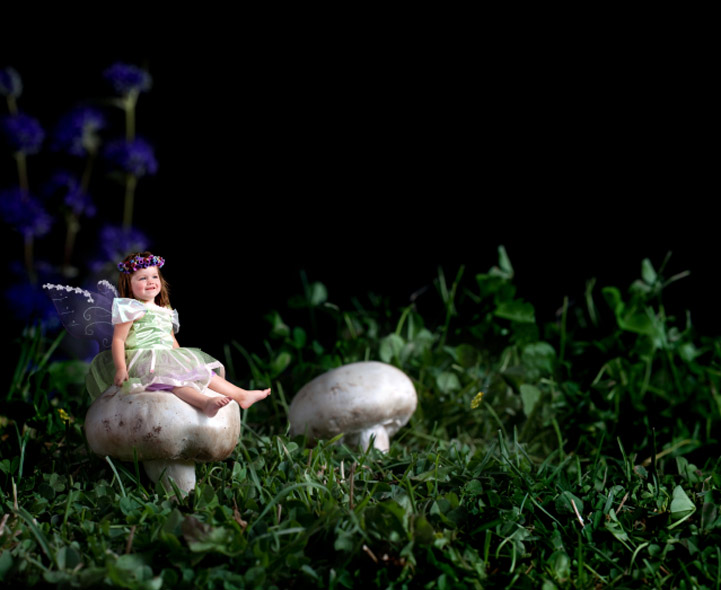
neer and fairy
near and fairey
near and fairie
near and fairy
If you can spell the word 'fair' then all you need to do is add a 'y' onto the end to turn it into fairy!



**Unlimited Quizzes Await You! 🚀**
Hey there, quiz champ! 🌟 You've already tackled today's free questions.
Ready for more?
Ready for more?
🔓 Unlock UNLIMITED Quizzes and challenge yourself every day. But that's
not all...
not all...
🔥 As a Subscriber you can join our thrilling "Daily Streak" against other
quizzers. Try to win a coveted spot on our Hall of Fame Page.
quizzers. Try to win a coveted spot on our Hall of Fame Page.
Don't miss out! Join us now and keep the fun rolling. 🎉
**Unlimited Quizzes Await You! 🚀**
Hey there, quiz champ! 🌟 You've already tackled today's free questions. Ready for more?
🔓 Unlock UNLIMITED Quizzes and challenge yourself every day. But that's not all...
🔥 As a Subscriber you can join our thrilling "Daily Streak" against other quizzers. Try to win a coveted spot on our Hall of Fame Page.
Don't miss out! Join us now and keep the fun rolling. 🎉




© Copyright 2016-2026 - Education Quizzes
Work Innovate Ltd - Design | Development |
Marketing
