




Ask the AI Tutor
Need help with Year 2 - able and ible words? Ask our AI Tutor!
AI Tutor - Lucy
Connecting with Tutor...
Please wait while we establish connection

There are no rules for ABLE and IBLE, so it's a case of learning them over and over until you know which ending to use.
Year 2 - able and ible words
Learn how to spell Year 2 words ending in -able and -ible. Spot the root word, choose the right ending, then test your skills in the quiz below.
1 .
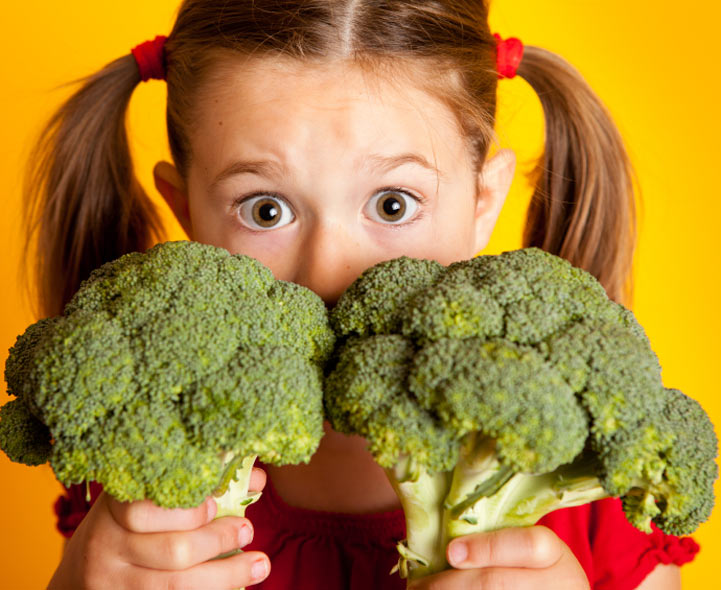
I'm being healthy, so please give me one ____.
vegetable
vegitable
vegatable
vegetible
We know that this ends with 'uh-bal' so you could write both 'ible' and 'able' and see which word looks most familiar.
2 .
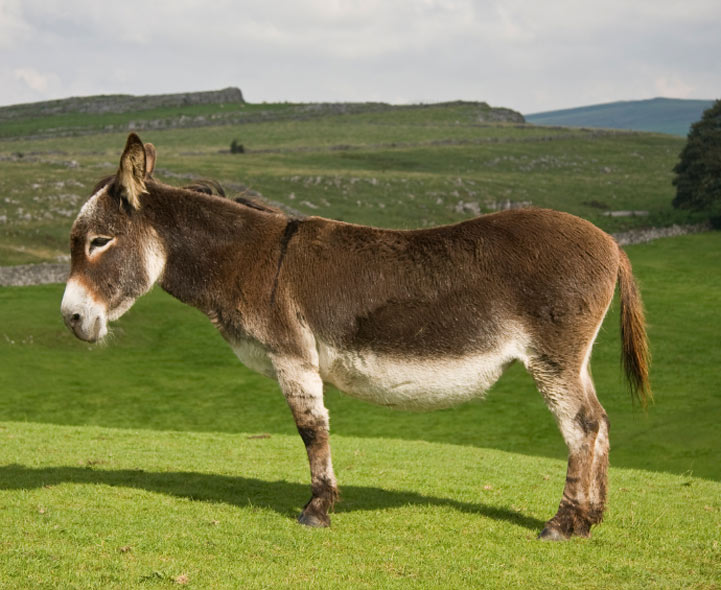
It is very ____ that you are the most ____ donkey in the world!
possable and sensible
possible and sensible
possible and sensable
possable and sensable
Donkeys look sensible and very serious but be careful not to stand behind one as they love to kick people with their hind legs.
3 .
You are a ____ seamstress.

terrable
terrible
terribel
terribal
A seamstress is a woman who sews; the male equivalent is a tailor.
4 .
All work and no play makes Jack ____.

miserible
miserable
mizerable
miseraball
The saying is actually: All work and no play makes Jack a dull boy.
5 .
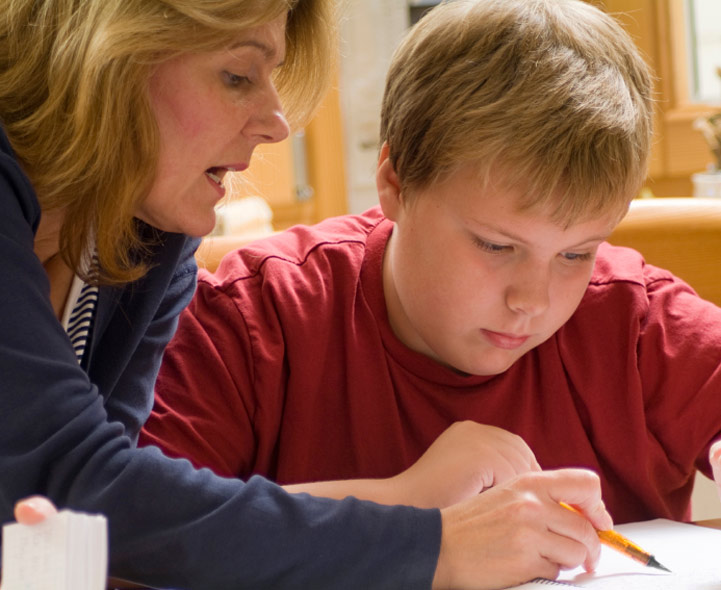
Please dedicate a ____ amount of time to your homework.
reasonabal
reasonaball
reasonible
reasonable
This means spend more than a few minutes on it but don't spend hours on your homework - that would be a sign that you need help and you should tell your teacher.
6 .
I think I am very ____.

lovable
lovible
lovabel
lovabal
Lovable means you are able to be loved so love+able = lovable.
7 .
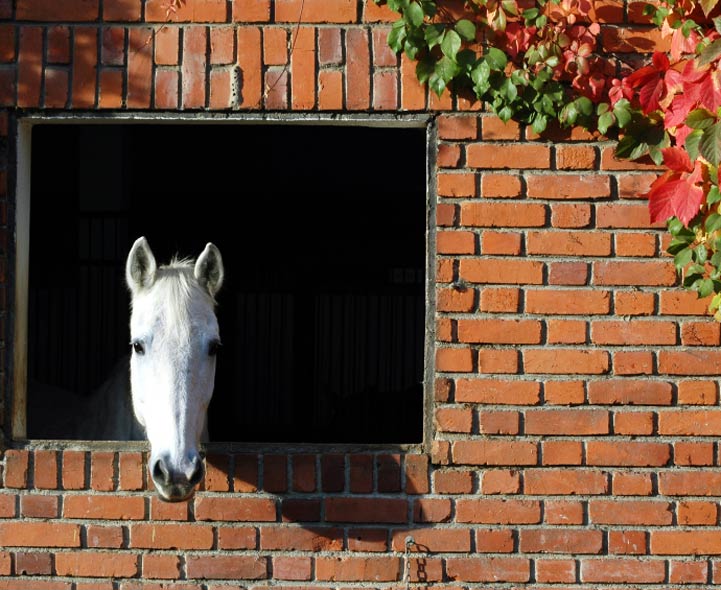
Don't put it on the ____, take it to the ____.
tible and stible
table and stable
taible and staible
tayble and stable
Words that end in ible/able don't have to be long - the shortest version is the word able.
8 .
It is ____ how ____ you are!
incredible and horrable
incredable and horrible
incredible and horrible
incredable and horrable
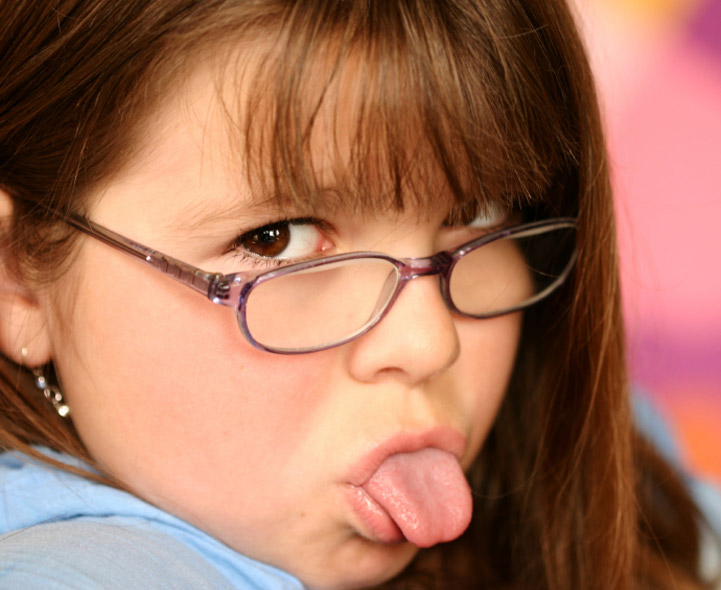
Incredible means you can't believe it.
9 .
He asked if it was a ____ price and if so, was it ____.
reasonable and valuable
reasonible and valuable
reasonable and valuible
reasonible and valuible
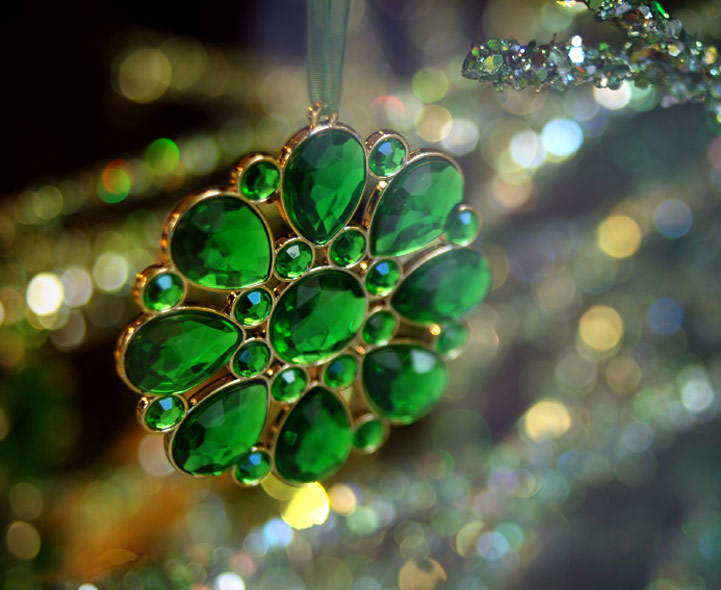
The second word, valuable, uses 'able' as a suffix. This means it adds able onto a word (value).
10 .
Are you ____ to turn ____?
able and infisible
ible and invisible
able and invisable
able and invisible
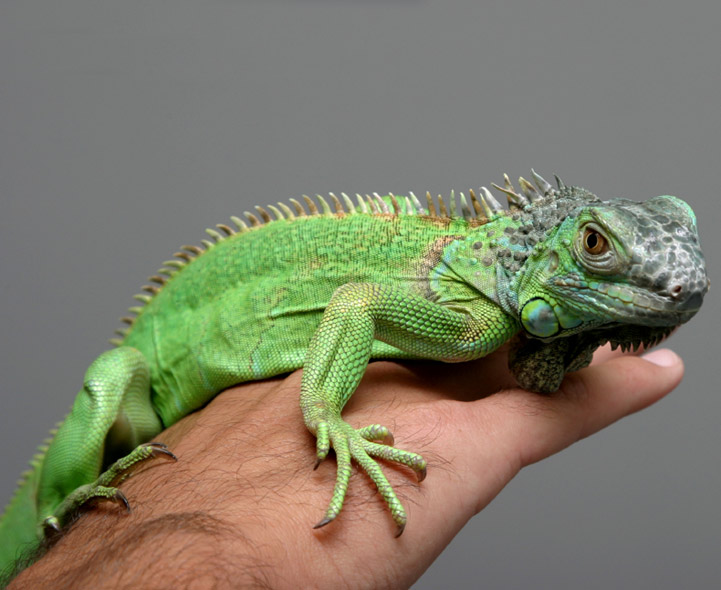
In a way, yes. Iguanas can use camouflage to hide themselves and blend in with their background making them difficult to see.



**Unlimited Quizzes Await You! 🚀**
Hey there, quiz champ! 🌟 You've already tackled today's free questions.
Ready for more?
Ready for more?
🔓 Unlock UNLIMITED Quizzes and challenge yourself every day. But that's
not all...
not all...
🔥 As a Subscriber you can join our thrilling "Daily Streak" against other
quizzers. Try to win a coveted spot on our Hall of Fame Page.
quizzers. Try to win a coveted spot on our Hall of Fame Page.
Don't miss out! Join us now and keep the fun rolling. 🎉
**Unlimited Quizzes Await You! 🚀**
Hey there, quiz champ! 🌟 You've already tackled today's free questions. Ready for more?
🔓 Unlock UNLIMITED Quizzes and challenge yourself every day. But that's not all...
🔥 As a Subscriber you can join our thrilling "Daily Streak" against other quizzers. Try to win a coveted spot on our Hall of Fame Page.
Don't miss out! Join us now and keep the fun rolling. 🎉




© Copyright 2016-2026 - Education Quizzes
Work Innovate Ltd - Design | Development |
Marketing
