




Ask the AI Tutor
Need help with Year 2 - Changing the ending to er? Ask our AI Tutor!
AI Tutor - Lucy
Connecting with Tutor...
Please wait while we establish connection
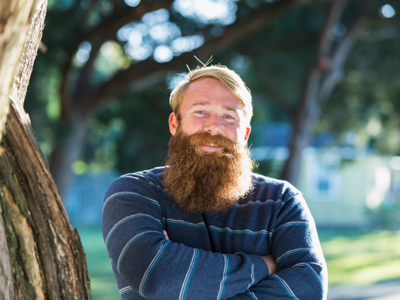
My uncle's beard is HAIRIER than any other I've seen.
Year 2 - Changing the ending to er
Learn how adding -er can change a word, like turning a job into a person. Practise spelling rules, spot root words, and build confidence with endings.
1 .
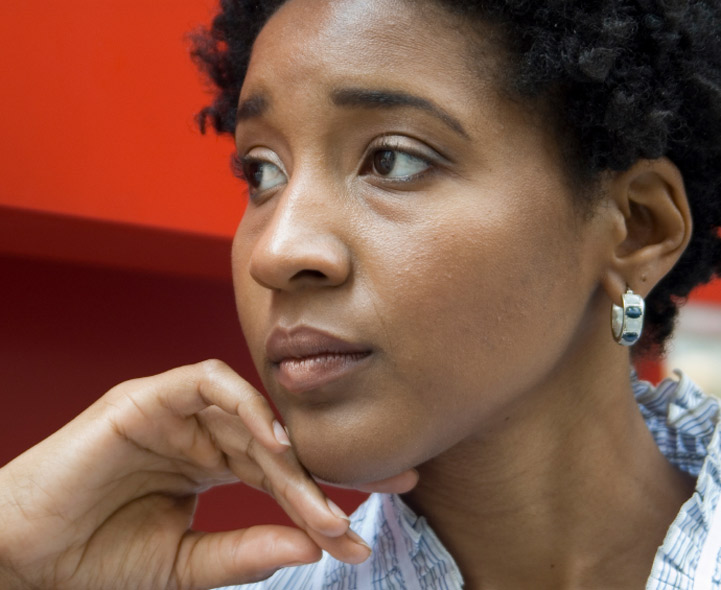
She'll be ok, you're such a ____.
worier
worryer
worryier
worrier
If you're a worrier, it means you worry about things. This means you think about things and it panics you.
2 .
He is ____ and ____ now!

older and grumpyer
oldder and grumpier
older and grumpier
oldier and grumpier
It is said that when you get to a certain age, you are allowed to be grumpy sometimes!
3 .
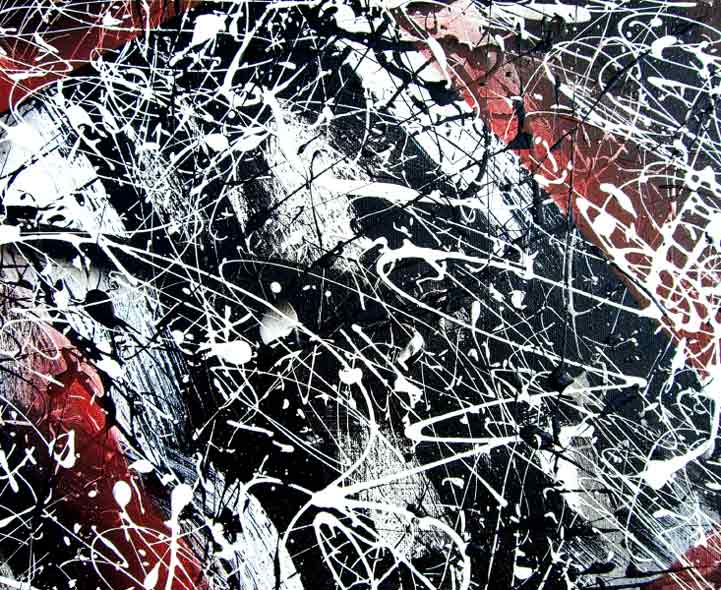
This picture is ____ than the last one!
sillier
siler
sillyer
silyer
This style of painting is called 'abstract'.
4 .
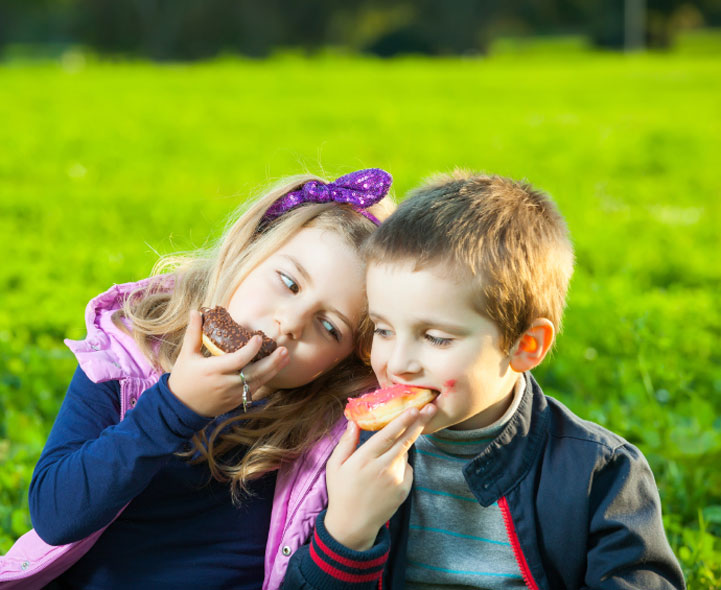
Are you ____ than you were yesterday?
happier
hapier
happyer
happyier
If a word ends with a 'y' we replace it with an 'i'.
5 .
I've had a nap and am feeling much ____ now.
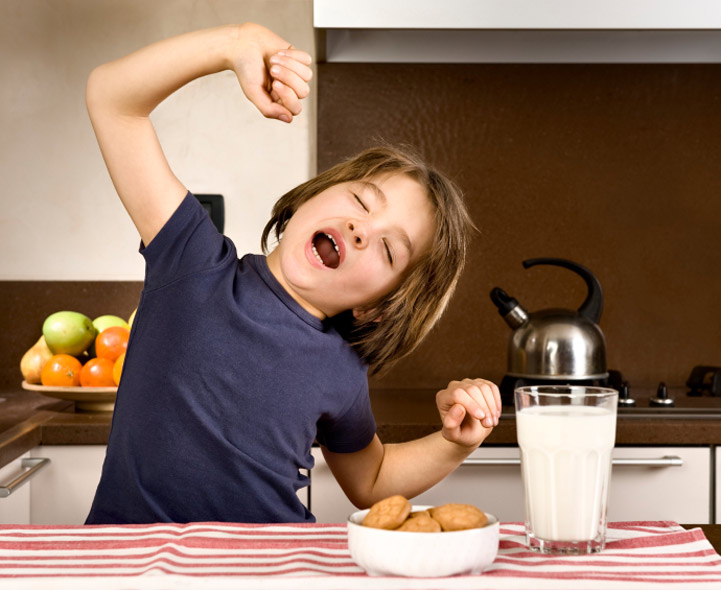
frendlier
friendlier
friendlyer
friendlyier
Here we write the word friendly and then replace the 'y' with an 'i' and add 'er'.
6 .
Are you feeling ____ today than yesterday?
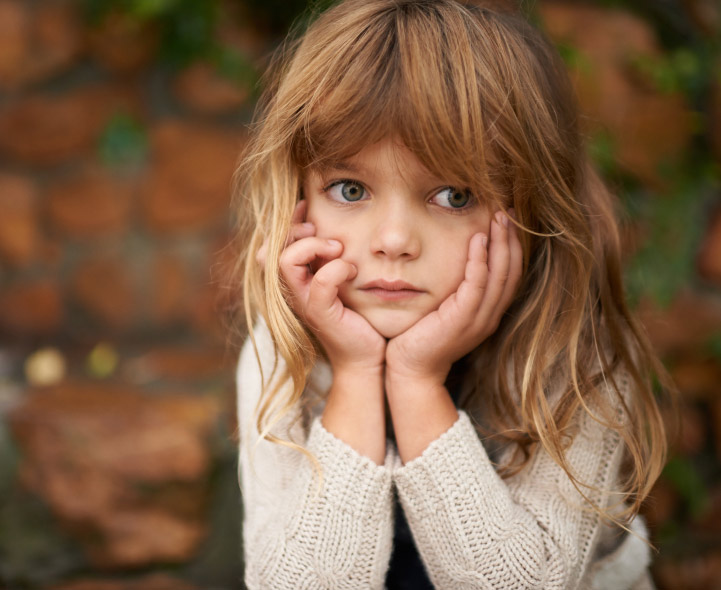
sader
sadder
sabber
sadr
When there is a short vowel sound we double the last letter (the consonant) then add 'er'.
7 .
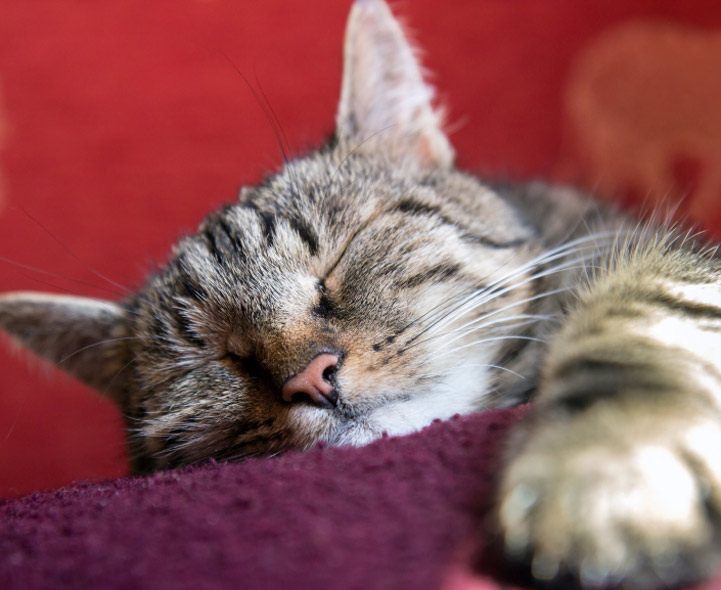
The ____ the duvet, the ____ I feel.
softer and sleepia
softer and sleeppier
softer and sleeper
softer and sleepier
The word 'softer' shows you that you don't always need to change the last letter; sometimes you can just add 'er'.
8 .
The ice-cream is much ____ and ____ than I expected.
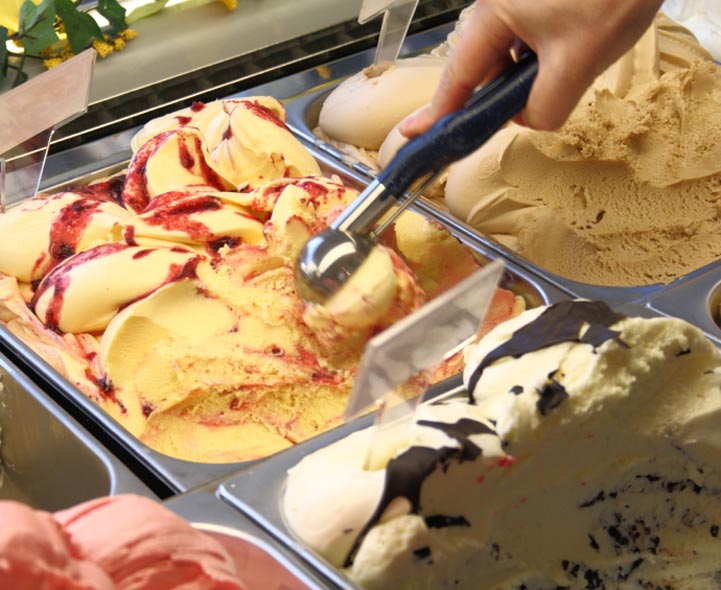
lovelier and tastier
lovelyer and tastier
lovelier and tastyer
lovelyer and tastyer
Both these words, lovely and tasty, end with a 'y'.
9 .
Take a copy of this document and use the ____.

copyer
copier
coppier
copyier
More often than not, we call it by its full name: photocopier.
10 .
He is ____ but I am ____.
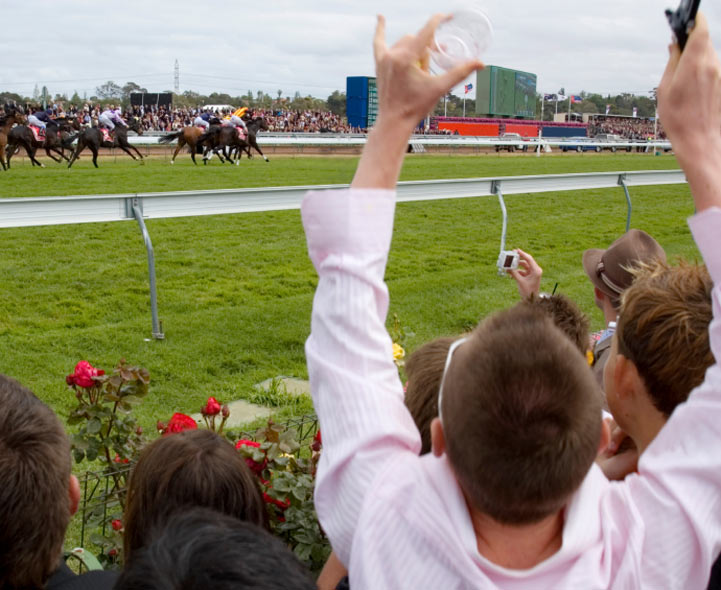
louder and lucier
louder and luckier
louder and lukier
louder and lukkier
There are lots of symbols that represent luck, like a horseshoe or shamrock.
Our Social Circles




**Unlimited Quizzes Await You! 🚀**
Hey there, quiz champ! 🌟 You've already tackled today's free questions.
Ready for more?
Ready for more?
🔓 Unlock UNLIMITED Quizzes and challenge yourself every day. But that's
not all...
not all...
🔥 As a Subscriber you can join our thrilling "Daily Streak" against other
quizzers. Try to win a coveted spot on our Hall of Fame Page.
quizzers. Try to win a coveted spot on our Hall of Fame Page.
Don't miss out! Join us now and keep the fun rolling. 🎉
**Unlimited Quizzes Await You! 🚀**
Hey there, quiz champ! 🌟 You've already tackled today's free questions. Ready for more?
🔓 Unlock UNLIMITED Quizzes and challenge yourself every day. But that's not all...
🔥 As a Subscriber you can join our thrilling "Daily Streak" against other quizzers. Try to win a coveted spot on our Hall of Fame Page.
Don't miss out! Join us now and keep the fun rolling. 🎉
© Copyright 2016-2026 - Education Quizzes
Work Innovate Ltd - Design | Development |
Marketing
