




Ask the AI Tutor
Need help with Year 2 - Contractions Part 2? Ask our AI Tutor!
AI Tutor - Lucy
Connecting with Tutor...
Please wait while we establish connection
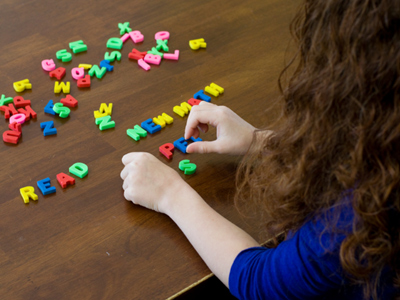
Practise putting two words together and then contracting them.
Year 2 - Contractions Part 2
Practise Year 2 contractions and apostrophes. Learn how two words can be shortened, like “have not” becoming “haven’t”, while keeping the meaning clear.
1 .
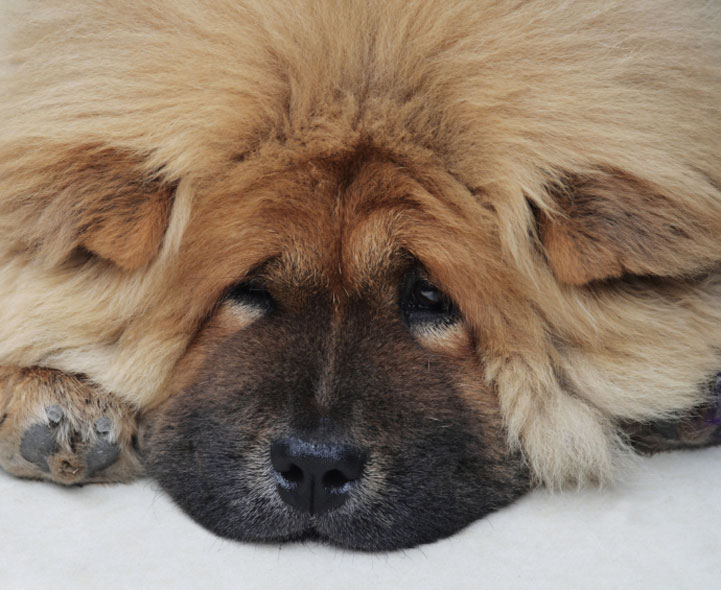
The ____ fur ____ be that long.
dog's and shouldn'ot
dog's and shouldn't
dog's and should'nt
dogs and shouldn't
We aren't combining two words for 'dog's' instead we are showing that the dog owns his fur.
2 .
Oops, I've eaten them all, so ____ have to order some more.
youll
you'll
you'l
youl'l
We are combining the words you and will.
3 .
If he doesn't hurry up, ____ be late.
he'l
h'll
he'will
he'll
When people speak, they often talk with the words shortened like this. If you write speech, try to use contractions as it'll sound more natural.
4 .
____ ____ birthday!
Its and Megan's
It's and Megan's
Its and Megans'
It's and Megans'
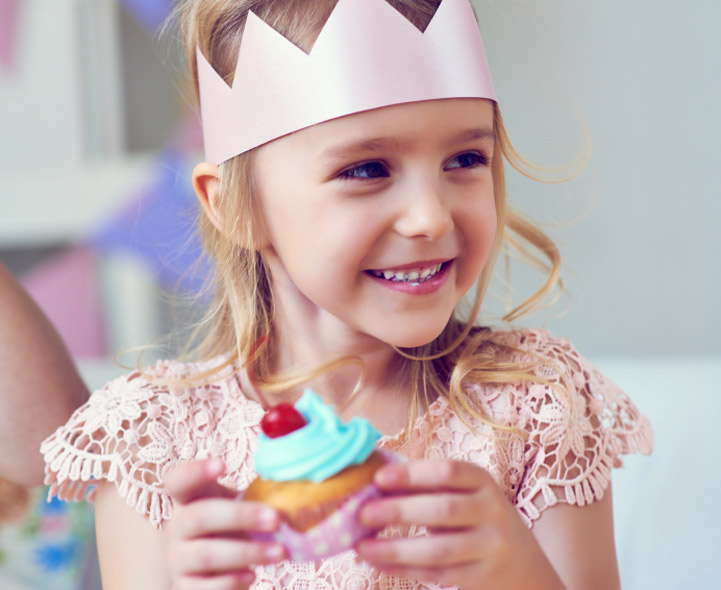
The name of the girl is Megan and it's her birthday. Her name will never be Megans. This means if you add an 's' onto the end of her name - there will always be an apostrophe before it.
5 .
____ the ____ favourite toy shop.
Theres and child's
There's and childs
There's and child's
There's and childs'
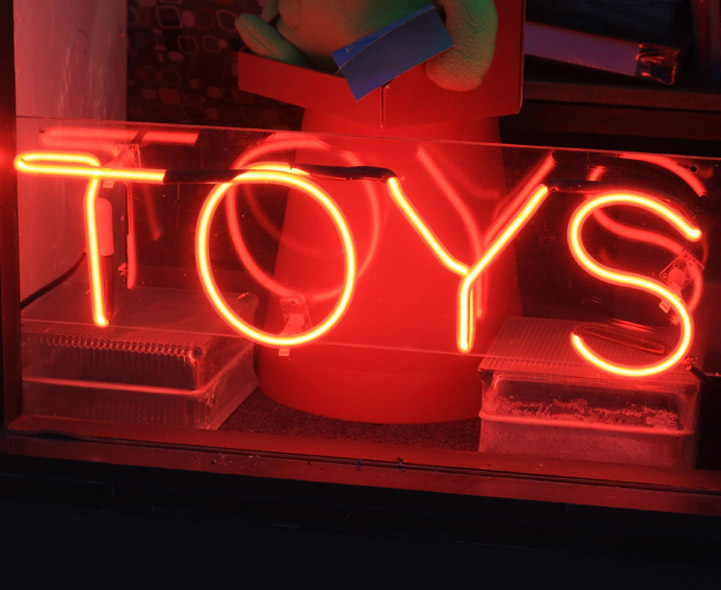
We are joining there and is together and showing that the child owns the decision to have a favourite shop.
6 .
He ____ like Brussels sprouts.
dosen't
doseno't
dose't
doesn't
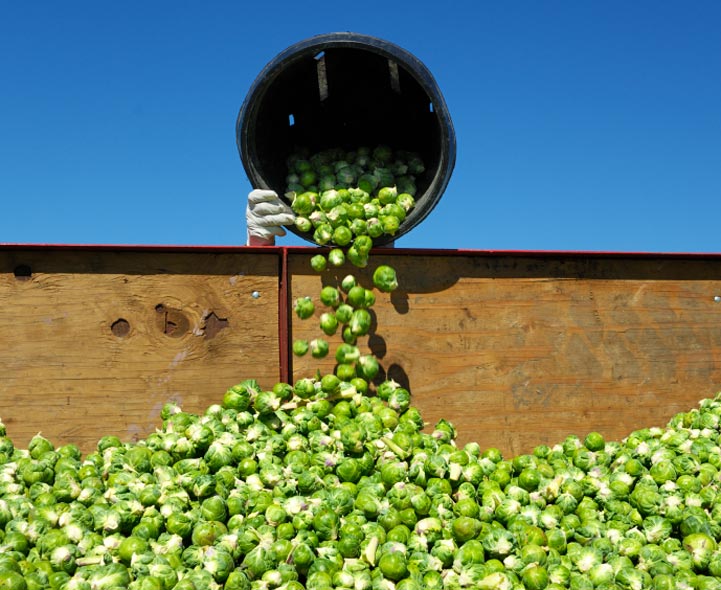
The word does is quite hard to spell but try and remember it as it's a high frequency word.
7 .
Tomorrow ____ ____ birthday!
its' and Ravis'
its and Ravi's
it's and Ravis'
it's and Ravi's
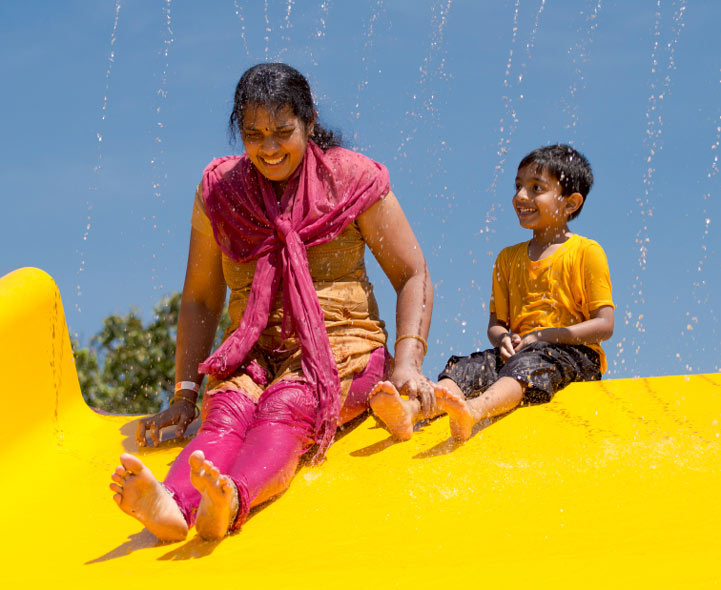
His name is not Ravis - it's Ravi. The birthday is his and belongs to him - that's why there is an apostrophe.
8 .
____ the ____ finest suit.

That's and man's
That's and mans
Thats and man's
Thats and mans
The man owns his suit and we have combined that and is together.
9 .
The ____ hair was blonde.
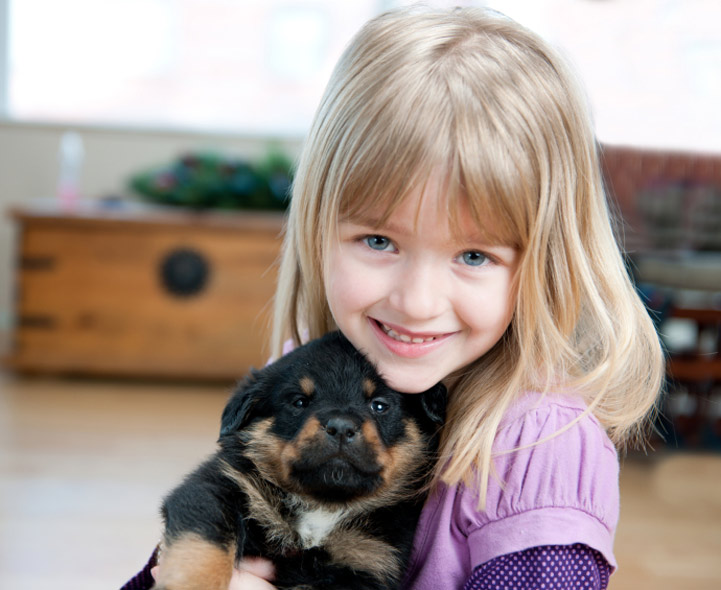
girls
girl's
girls'
gurl's
There is only one girl and she owns her hair, that's why there is an apostrophe. If there were more than one, we would write: The girls' hair was blonde. The apostrophe after the 's' means more than one.
10 .
The ____ coat was blue.
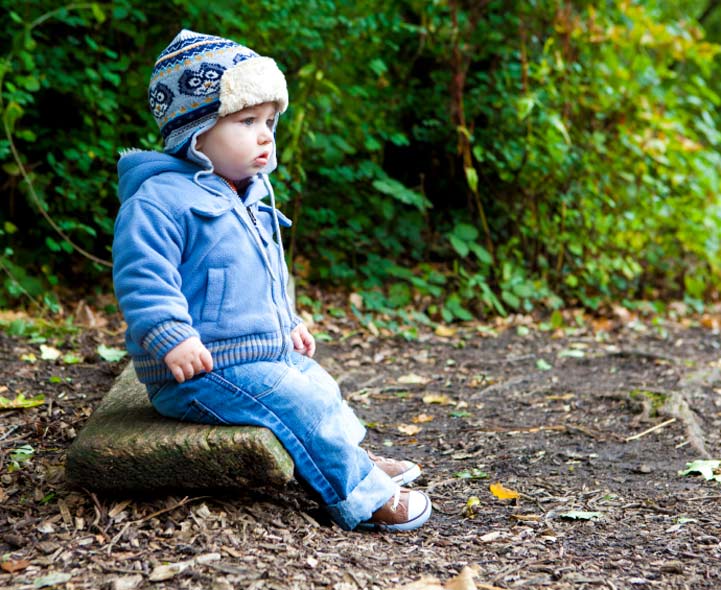
boys'
boy's
boiy's
boys
The boy owns his coat and that's why there's an apostrophe.



**Unlimited Quizzes Await You! 🚀**
Hey there, quiz champ! 🌟 You've already tackled today's free questions.
Ready for more?
Ready for more?
🔓 Unlock UNLIMITED Quizzes and challenge yourself every day. But that's
not all...
not all...
🔥 As a Subscriber you can join our thrilling "Daily Streak" against other
quizzers. Try to win a coveted spot on our Hall of Fame Page.
quizzers. Try to win a coveted spot on our Hall of Fame Page.
Don't miss out! Join us now and keep the fun rolling. 🎉
**Unlimited Quizzes Await You! 🚀**
Hey there, quiz champ! 🌟 You've already tackled today's free questions. Ready for more?
🔓 Unlock UNLIMITED Quizzes and challenge yourself every day. But that's not all...
🔥 As a Subscriber you can join our thrilling "Daily Streak" against other quizzers. Try to win a coveted spot on our Hall of Fame Page.
Don't miss out! Join us now and keep the fun rolling. 🎉




© Copyright 2016-2026 - Education Quizzes
Work Innovate Ltd - Design | Development |
Marketing
