




Ask the AI Tutor
Need help with Year 2 - Prefix dis? Ask our AI Tutor!
AI Tutor - Lucy
Connecting with Tutor...
Please wait while we establish connection

Do you LIKE or DISLIKE bananas?
Year 2 - Prefix dis
Some words start with dis-, like dislike and disagree. This quiz helps Year 2 learners spot the prefix and spell these longer words with confidence.
1 .
Which spelling is correct when saying the opposite of able?

dissable
disable
disabl
dis-able
You do not need to add a hyphen to show the connection.
2 .
Which spelling is correct when saying the opposite of honest?

disonest
dishonnest
dishunest
dishonest
Sometimes when people lie, they cross their fingers.
3 .
Which word can you not put 'dis' in front of?

like
obey
laugh
honest
You can't add 'dis' onto any word. This prefix can only go before certain words.
4 .
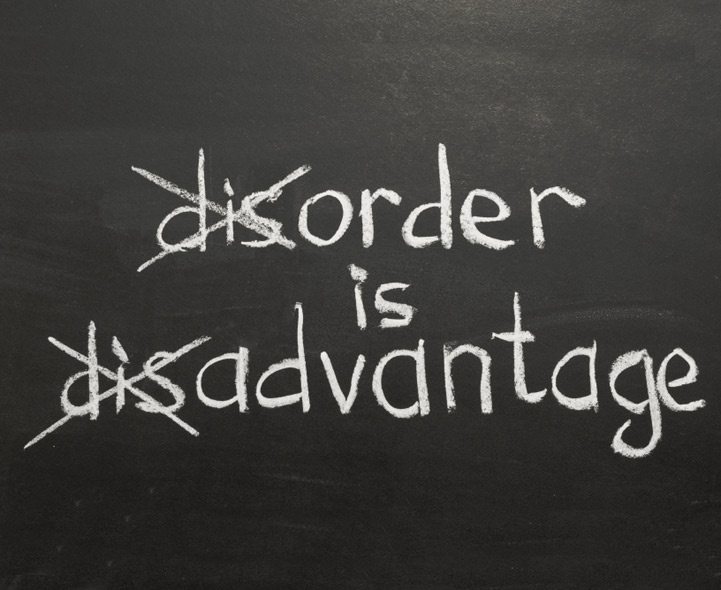
What happens to a word when you add 'dis' to the beginning?
It makes the word look funny.
It changes the word to mean the opposite.
It changes the word to mean the same thing but a little different.
It turns it into a describing word.
Adding 'dis' to a word changes it from meaning one thing to meaning the complete opposite.
5 .
Which of these words doesn't show 'dis' as a prefix but instead as part of a word?

dislike
disagree
distant
disable
Distant is a word but 'tant' isn't - here the letters 'dis' are not used as a prefix.
6 .
Which of these words that begin with 'dis' is spelt incorrectly?

dissaster
disease
distant
disgusting
These are all words that start with 'dis' but these three letters are not used as a prefix because you can't separate dis from the root word.
7 .
Which spelling is correct when saying the opposite of used?

dissused
dissed
disusd
disused
The spelling of the word used stays the same; all you need to do is add 'dis'.
8 .
Which spelling is correct when saying the opposite of connect?
dissconnect
disconect
disconnect
disconnet
If you disconnect something, you separate it.
9 .
Which spelling is correct when saying the opposite of trust?

disstrust
distrust
distruste
destrust
There are some words that also start with 'dis' but the 'dis' isn't used as a prefix. These words are often negative words, such as words that aren't about happy things. Just like when you say you distrust somebody - that is considered a negative word.
10 .
Which spelling is correct when saying the opposite of appear?

disappear
disappeer
disapear
diseppear
If you write something in sand, the sea will wash it away making it disappear.



**Unlimited Quizzes Await You! 🚀**
Hey there, quiz champ! 🌟 You've already tackled today's free questions.
Ready for more?
Ready for more?
🔓 Unlock UNLIMITED Quizzes and challenge yourself every day. But that's
not all...
not all...
🔥 As a Subscriber you can join our thrilling "Daily Streak" against other
quizzers. Try to win a coveted spot on our Hall of Fame Page.
quizzers. Try to win a coveted spot on our Hall of Fame Page.
Don't miss out! Join us now and keep the fun rolling. 🎉
**Unlimited Quizzes Await You! 🚀**
Hey there, quiz champ! 🌟 You've already tackled today's free questions. Ready for more?
🔓 Unlock UNLIMITED Quizzes and challenge yourself every day. But that's not all...
🔥 As a Subscriber you can join our thrilling "Daily Streak" against other quizzers. Try to win a coveted spot on our Hall of Fame Page.
Don't miss out! Join us now and keep the fun rolling. 🎉




© Copyright 2016-2026 - Education Quizzes
Work Innovate Ltd - Design | Development |
Marketing
