




Ask the AI Tutor
Need help with Year 2 - Spelling Months and Days? Ask our AI Tutor!
AI Tutor - Lucy
Connecting with Tutor...
Please wait while we establish connection

If you can't spell the days of the week, practise in this quiz.
Year 2 - Spelling Months and Days
Spell the days and months correctly and use capital letters. This helps you write dates neatly for school work, letters, and diaries.
1 .
Lent begins on Ash ____ and can happen in the month of ____.

Wednesday and March
Wednsday and March
Wenesday and March
Wensday and March
Shrove Tuesday and Ash Wednesday can happen in either February or March - the dates vary. Lots of people give up chocolate for Lent.
2 .
____ and ____ are known as the weekend.

Saturday and Sunnday
Satturday and Sunday
Saterday and Sunday
Saturday and Sunday
The other days of the week are called week days.
3 .
Today is ____ and we are in the month of ____.

Fursday and April
Thurrsday and April
Thersday and April
Thursday and April
When we date something, we always write the number of the day, month and year. You might not need to write the day of the week.
4 .
The week days are: ____, ____, ____, ____ and ____.
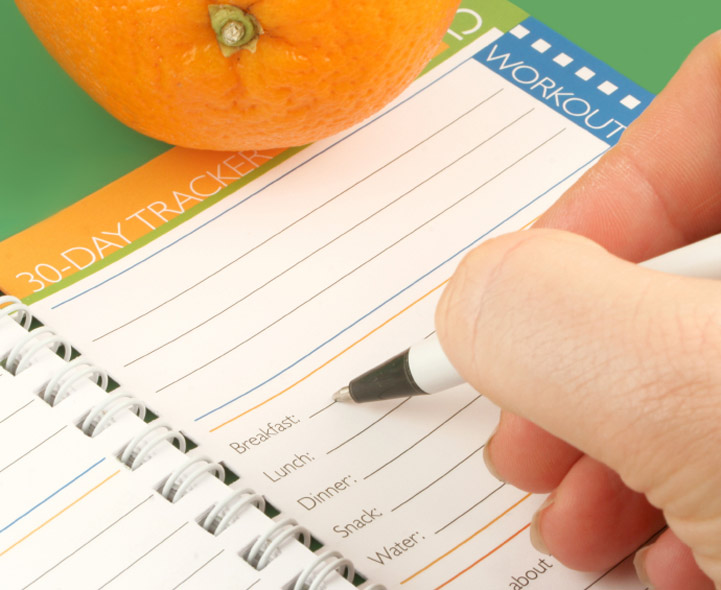
Monday, Tuesday, Wednesday, Thersday and Friday
Monday, Tuesday, Wednesday, Thursday and Friday
Monday, Tusday, Wednesday, Thursday and Friday
Monday, Tuesday, Wednsday, Thursday and Friday
Wednesday is quite difficult to spell because it sounds as though there are only two syllables but if you sound it out, it sounds like it should have three.
5 .
Pancake ____ can happen in the month of ____.

Tuesday and Febuary
Tuyesday and February
Tusday and February
Tuesday and February
It's actually called Shrove Tuesday!
6 .
The first and last months of the year are: ____ and ____.

January and Decembar
January and Descember
January and December
Janury and December
Even though one is the first month of the year and one is the last, they are next to each other!
7 .
I will start a diet on the first ____ in ____.

Munday and January
Monday and January
Munday and Janary
Monday and Janary
Monday is the first day of the week and January is the first month of the year.
8 .
A bank holiday nearly always happens on a ____; except for Christmas which happens in the month of ____.

Munday and December
Monday and December
Munnday and December
Mondday and December
Christmas and New Year holidays can happen on any day but all our other bank holidays happen on a Monday (except for Good Friday).
9 .
Tomorrow is ____ and we are in the month of ____.
Fridday and November
Friday and Novimber
Friday and November
Fryday and November
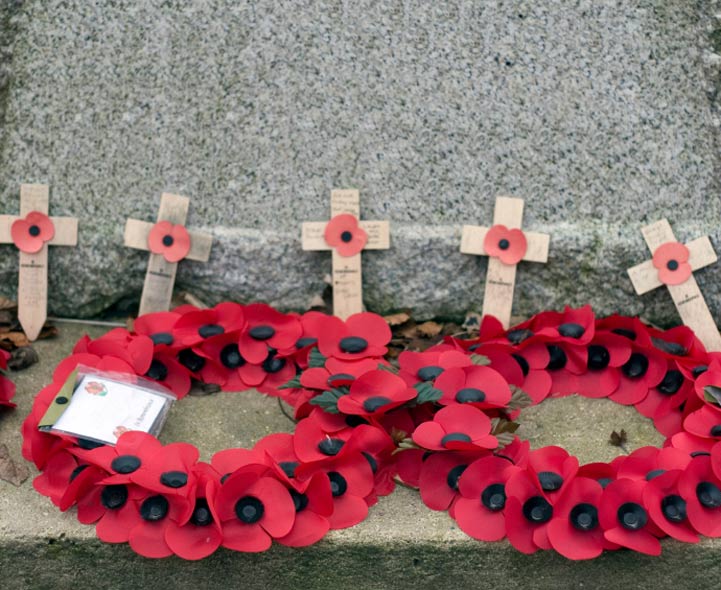
Remembrance Day happens on the eleventh day of the eleventh month at 11AM.
10 .
The fifth day of the week is ____ and the fifth month of the year is ____.

Fryday and May
Friday and May
Friday and Maye
Fridday and May
There is normally a bank holiday at the beginning and end of May.



**Unlimited Quizzes Await You! 🚀**
Hey there, quiz champ! 🌟 You've already tackled today's free questions.
Ready for more?
Ready for more?
🔓 Unlock UNLIMITED Quizzes and challenge yourself every day. But that's
not all...
not all...
🔥 As a Subscriber you can join our thrilling "Daily Streak" against other
quizzers. Try to win a coveted spot on our Hall of Fame Page.
quizzers. Try to win a coveted spot on our Hall of Fame Page.
Don't miss out! Join us now and keep the fun rolling. 🎉
**Unlimited Quizzes Await You! 🚀**
Hey there, quiz champ! 🌟 You've already tackled today's free questions. Ready for more?
🔓 Unlock UNLIMITED Quizzes and challenge yourself every day. But that's not all...
🔥 As a Subscriber you can join our thrilling "Daily Streak" against other quizzers. Try to win a coveted spot on our Hall of Fame Page.
Don't miss out! Join us now and keep the fun rolling. 🎉




© Copyright 2016-2026 - Education Quizzes
Work Innovate Ltd - Design | Development |
Marketing
