




Ask the AI Tutor
Need help with Year 2 - Spelling Review 2? Ask our AI Tutor!
AI Tutor - Lucy
Connecting with Tutor...
Please wait while we establish connection

If you get top marks in this quiz, you are doing really well!
Year 2 - Spelling Review 2
This Year 2 spelling review checks patterns, tricky words, and word endings. Try to spot the root word, then choose the spelling that looks right.
1 .
He is ____ _____ at dancing.

quit and hopeles
quite and hopless
quite and hopeless
quiet and hopeless
If you forget to put an 'e' on the end of 'quite' you change the word to 'quit'.
2 .
Do you have any ____ of how to turn these cogs?

nowlidge
nowledge
knowledge
knowlidge
If something is to do with you knowing or being clever, it'll have a silent 'k' because it has cleverly sneaked at the front of this word!
3 .
She ran ____ her daddy and hugged him.

twowards
toowards
towads
towards
There are three ways you can write 'to' (two/to/too) but only one way to write 'towards'.
4 .
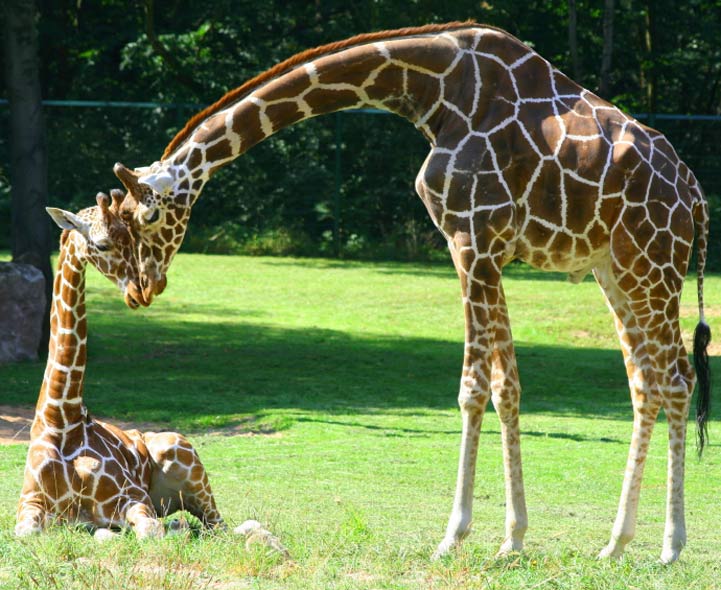
She went to see the ____ in the zoo.
geraffes
girraffes
giraffes
girafes
Male giraffes are taller and heavier than female giraffes.
5 .
This cloth will catch any ____ paint.

jroped
jropped
droped
dropped
Painters and decorators carry a drop cloth around to make sure they don't get paint on furniture.
6 .
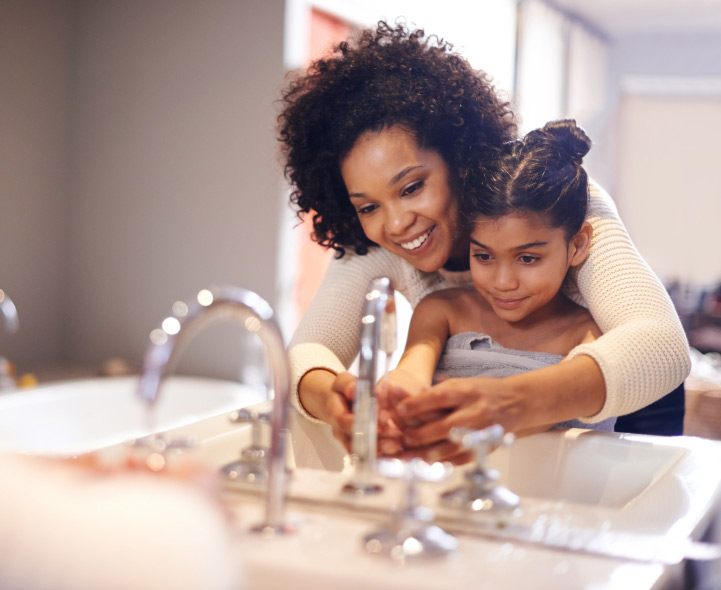
____ wash your hands.
Auways
Allways
Always
Aulways
This is a high frequency word, which means you'll use it a lot.
7 .
I can't find the missing piece for my ____.

puzzal
puzzle
puzzel
puzzil
All these answers potentially sound the same but only one is the correct spelling.
8 .
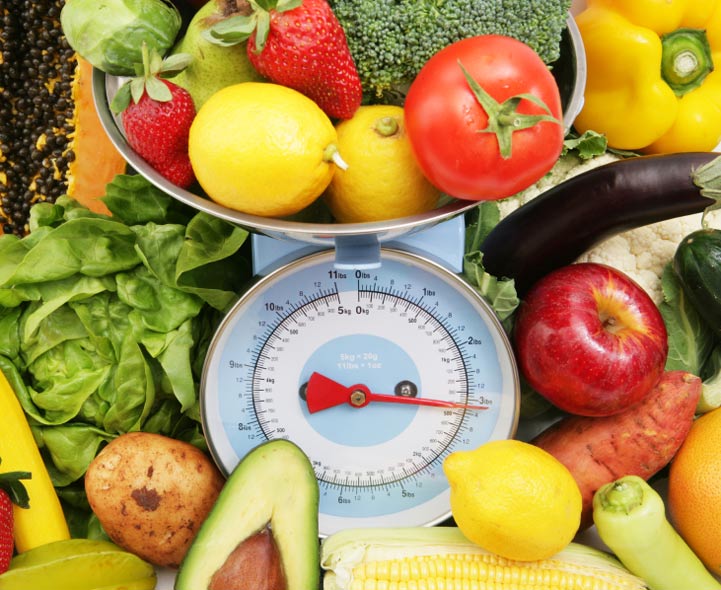
What ____ of fruit and vegetables would you like?
quantity
quantitty
quantaty
quanttity
Quantity means how much.
9 .
Her painting was ____.

buotiful
beautiful
bueatiful
buaetiful
When you say this word, you only hear the 'u' vowel at the beginning and not the two hidden 'e' and 'a' sounds.
10 .
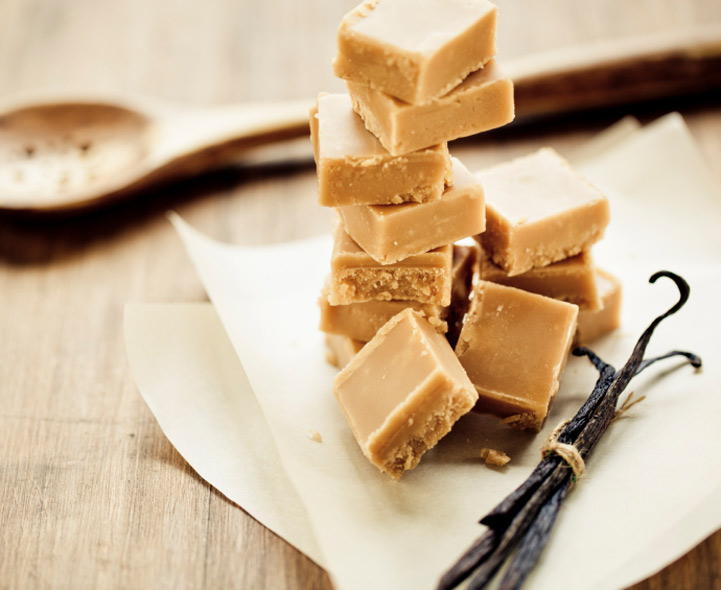
Please will you buy me some ____.
fug
fuge
fudje
fudge
The letters 'dge' make a j and g sound.



**Unlimited Quizzes Await You! 🚀**
Hey there, quiz champ! 🌟 You've already tackled today's free questions.
Ready for more?
Ready for more?
🔓 Unlock UNLIMITED Quizzes and challenge yourself every day. But that's
not all...
not all...
🔥 As a Subscriber you can join our thrilling "Daily Streak" against other
quizzers. Try to win a coveted spot on our Hall of Fame Page.
quizzers. Try to win a coveted spot on our Hall of Fame Page.
Don't miss out! Join us now and keep the fun rolling. 🎉
**Unlimited Quizzes Await You! 🚀**
Hey there, quiz champ! 🌟 You've already tackled today's free questions. Ready for more?
🔓 Unlock UNLIMITED Quizzes and challenge yourself every day. But that's not all...
🔥 As a Subscriber you can join our thrilling "Daily Streak" against other quizzers. Try to win a coveted spot on our Hall of Fame Page.
Don't miss out! Join us now and keep the fun rolling. 🎉




© Copyright 2016-2026 - Education Quizzes
Work Innovate Ltd - Design | Development |
Marketing
