




Ask the AI Tutor
Need help with Year 2 - Suffix ful? Ask our AI Tutor!
AI Tutor - Lucy
Connecting with Tutor...
Please wait while we establish connection

Lots of words can take 'ful' as a suffix. How many can you think of?
Year 2 - Suffix ful
Add the suffix -ful to build new words. This Year 2 quiz helps you spell -ful words correctly and use them to describe feelings and actions.
1 .
Be ____ when you walk across this rope.

careful
carefull
caireful
cairefull
Be full of care when you walk across this tightrope.
2 .
She was ____ in passing her driving test.

successfull
successful
sucesful
successfful
This was a hard one - but remember if you can spell the root word 'success' then it just needs 'ful' to be added.
3 .
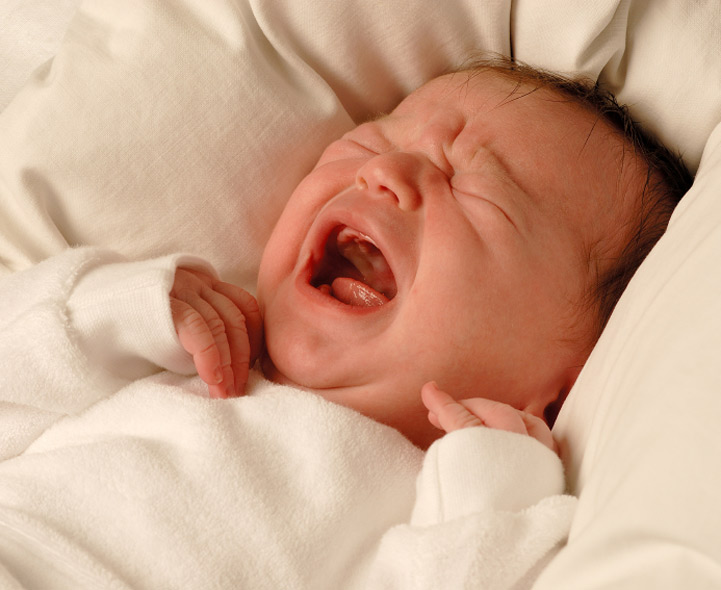
He was very ____.
tareful
teerful
tierful
tearful
Babies can't speak so to communicate they cry.
4 .
This dog is ____.

beautyfull
beautyful
beautiful
beautifull
Here is an exception to the rule. Sometimes when a word ends in 'y' you change the last letter for an 'i' then add 'ful'.
5 .
The picture they sent her was ____.

wunderful
wanderful
wonderful
wenderful
The word 'wonder' has rooted to the ground and we add the suffix 'ful' to the end.
6 .
Thanks for your help, you have been very ____.

helpfull
helppful
helpful
hellpful
All you need to do is add 'ful' onto the end of the word.
7 .
This was the most ____ time of their lives.

delightful
delightfull
deelightful
deallightful
This word has the 'igh' sound.
8 .
She was ____ but she crossed her fingers anyway.

hopfull
hopful
hopeful
hopefull
She is full of hope that she will get the job and that's why her fingers are crossed.
9 .
He was very ____.

thankfull
thankfall
thankful
thanful
He is full of thanks. The word 'thank' is called the root word because it stays the same and in place just like roots on a tree.
10 .
That bruise looks very ____.
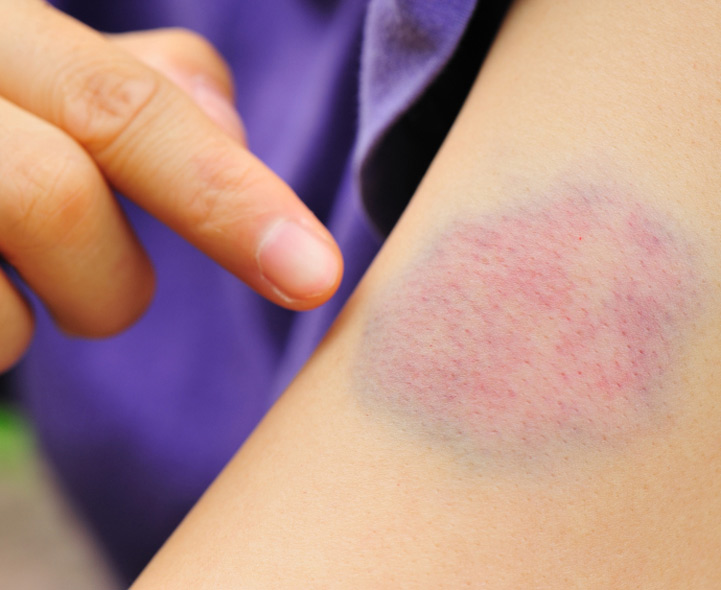
painful
painfull
panefull
paneful
This means full of pain. We don't add the word full though, we add 'ful' - with one l.



**Unlimited Quizzes Await You! 🚀**
Hey there, quiz champ! 🌟 You've already tackled today's free questions.
Ready for more?
Ready for more?
🔓 Unlock UNLIMITED Quizzes and challenge yourself every day. But that's
not all...
not all...
🔥 As a Subscriber you can join our thrilling "Daily Streak" against other
quizzers. Try to win a coveted spot on our Hall of Fame Page.
quizzers. Try to win a coveted spot on our Hall of Fame Page.
Don't miss out! Join us now and keep the fun rolling. 🎉
**Unlimited Quizzes Await You! 🚀**
Hey there, quiz champ! 🌟 You've already tackled today's free questions. Ready for more?
🔓 Unlock UNLIMITED Quizzes and challenge yourself every day. But that's not all...
🔥 As a Subscriber you can join our thrilling "Daily Streak" against other quizzers. Try to win a coveted spot on our Hall of Fame Page.
Don't miss out! Join us now and keep the fun rolling. 🎉




© Copyright 2016-2026 - Education Quizzes
Work Innovate Ltd - Design | Development |
Marketing
