




Ask the AI Tutor
Need help with Year 2 - Suffix ly? Ask our AI Tutor!
AI Tutor - Lucy
Connecting with Tutor...
Please wait while we establish connection

When writing stories, try to use any new words that you have learned.
Year 2 - Suffix ly
Add the suffix -ly to make new words. This Year 2 quiz helps you spell the ending, spot the root word, and choose the right word for a sentence.
1 .
She thought this dish could be cooked quite ____.

easily
eesily
easely
easeily
Here the word is easy, so you need to replace the 'y' for an 'i' then add 'ly'.
2 .
She ____ reminded him to have a bath.

loudly
lowdly
loadly
louddly
This is telling you how she did it, she said it in a loud way.
3 .
____ she found a four-leaf clover.

Luccly
Lukkly
Luckily
Luckly
Here the root word is lucky not luck. This means we need to take the 'y' and change it for 'ily'.
4 .
They ____ raced around the track.

qickly
qurickly
quickly
qwuickly
Race drivers participate in something called F1, which stands for Formula 1.
5 .
You have to stroke them ____.
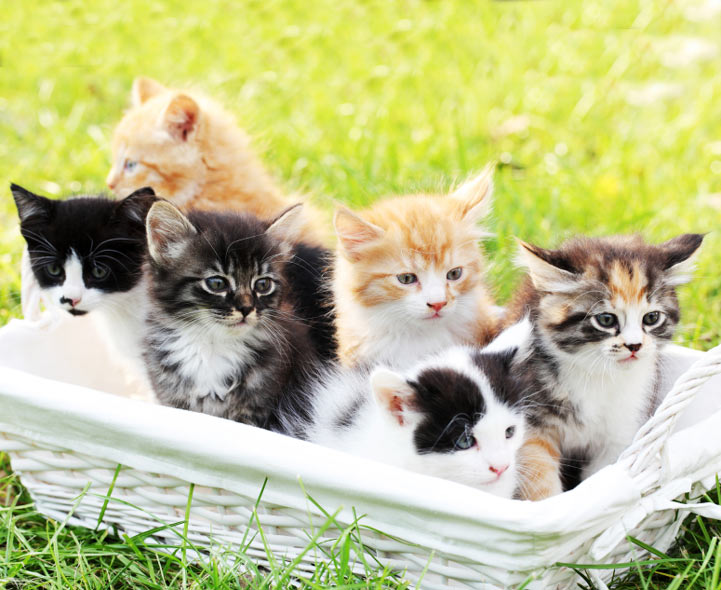
sofly
softly
soffly
sofftly
The root word is soft and we just add 'ly' to it.
6 .
He added the sums up quite ____.

baddily
badily
badly
baddly
All you need to do here is add 'ly' onto the end of the word 'bad'.
7 .
He rather ____ rolled his eyes at her.

roodly
roodley
rudely
ruddely
It is considered very rude to roll your eyes at somebody.
8 .
He ____ made his way across the leaf.

sloly
slowly
slowely
slowley
Did you know, some people eat snails!
9 .
Enter the library ____.

kwiately
quiately
quitely
quietly
Here you need to spell the word quiet then just add 'ly' to the end of the word.
10 .
They ____ put their heads together and posed for the camera.

happyly
hapyly
happly
happily
If a word ends with a 'y', like happy, then you change the 'y' to an 'i' then add the suffix.



**Unlimited Quizzes Await You! 🚀**
Hey there, quiz champ! 🌟 You've already tackled today's free questions.
Ready for more?
Ready for more?
🔓 Unlock UNLIMITED Quizzes and challenge yourself every day. But that's
not all...
not all...
🔥 As a Subscriber you can join our thrilling "Daily Streak" against other
quizzers. Try to win a coveted spot on our Hall of Fame Page.
quizzers. Try to win a coveted spot on our Hall of Fame Page.
Don't miss out! Join us now and keep the fun rolling. 🎉
**Unlimited Quizzes Await You! 🚀**
Hey there, quiz champ! 🌟 You've already tackled today's free questions. Ready for more?
🔓 Unlock UNLIMITED Quizzes and challenge yourself every day. But that's not all...
🔥 As a Subscriber you can join our thrilling "Daily Streak" against other quizzers. Try to win a coveted spot on our Hall of Fame Page.
Don't miss out! Join us now and keep the fun rolling. 🎉




© Copyright 2016-2026 - Education Quizzes
Work Innovate Ltd - Design | Development |
Marketing
