




Ask the AI Tutor
Need help with Year 2 - Tricky words 4? Ask our AI Tutor!
AI Tutor - Lucy
Connecting with Tutor...
Please wait while we establish connection
Before you choose your answer, look carefully at each one to make sure.
Year 2 - Tricky words 4
Tricky words do not always follow phonics rules. This Year 2 quiz helps children practise spelling common tricky words so their writing becomes clearer and faster.
1 .
____ I eat all this cake?
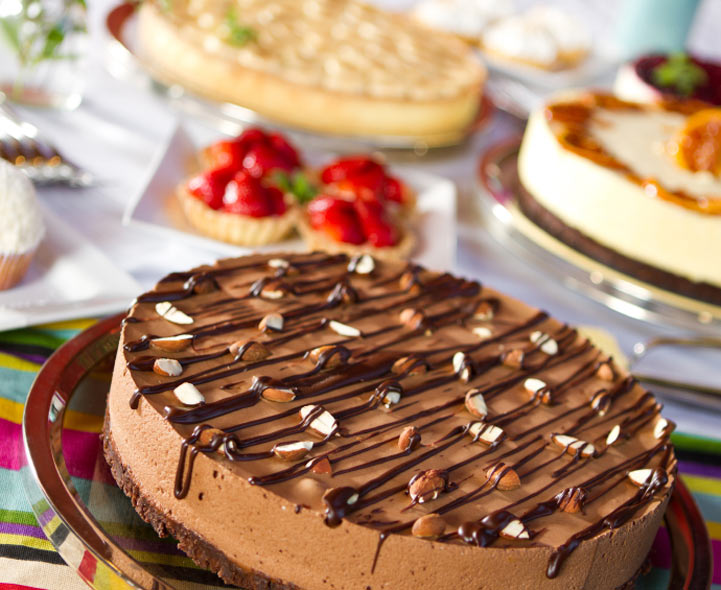
Should
Shood
Shoeld
Shud
Should, could and would all have the same spellings - you just change the first letters.
2 .
Will you help me ____ house?

moove
move
mouve
moov
Some people find moving house quite stressful; others find it exciting. Have you ever moved house?
3 .
I'm rich! I have lots of ____ bars.

goaled
goald
gold
goled
Instead of calling them bars, we call them bullion.
4 .
Make sure you don't drive too ____.

farst
farste
farst
fast
Every road has a speed limit. Next time you're in the car look out for signs that tell you how fast you can drive.
5 .
He wore these boots when he went to the ____ West!

Wild
Wilde
Whiled
Whild
The Wild West refers to a time when cowboys were common.
6 .
Do you have ____ visitors?

mannie
menie
meny
many
Here, the 'a' sound is 'eh'.
7 .
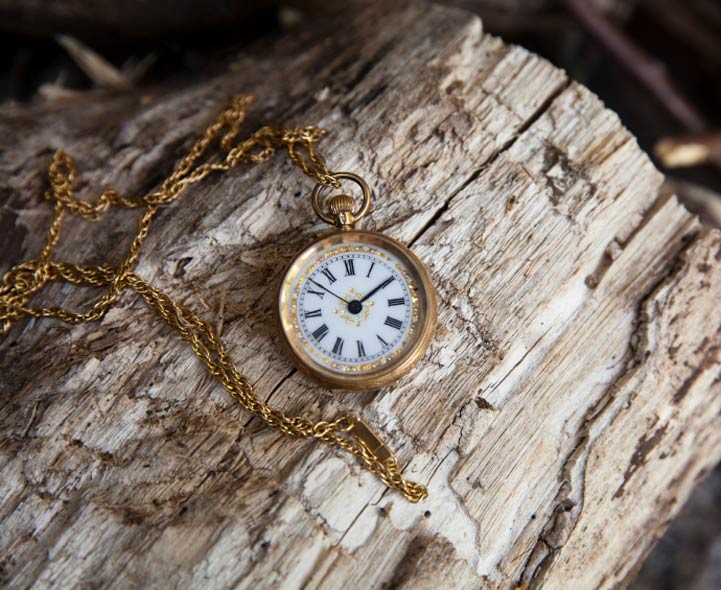
When is it half ____ six?
parst
parste
past
passed
The last two words both sound the same and are both words, however, they mean different things.
8 .
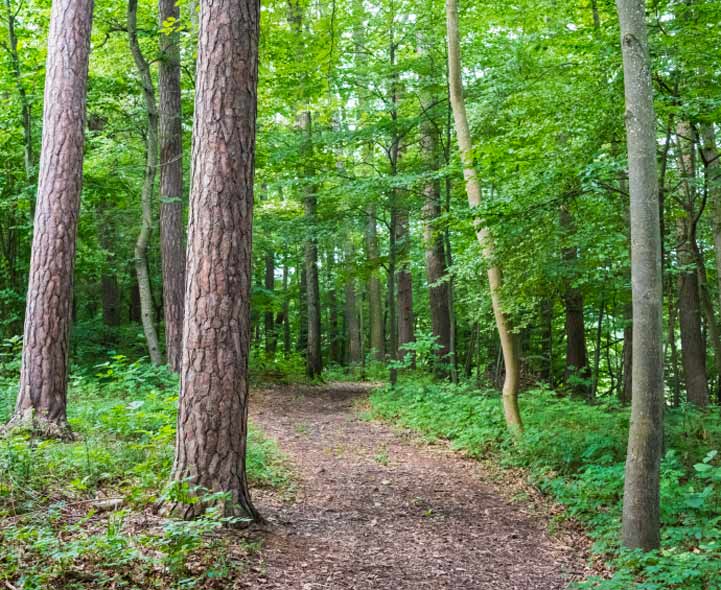
When visiting the forest, please keep to the ____.
parth
parf
path
paff
Depending on where you live in Britain, you might say p-ah-th or you might say p-ar-th.
9 .
I don't have a penny; I'm very ____ right now.

pore
pour
poor
poar
When sounded out, all these words make the same sound but only one refers to the kind of poor we mean.
10 .
She is very ____ and always pushes me along.

kind
kinde
cind
cinde
Here the 'i' doesn't make an 'eh' sound but an 'I' sound, as in 'eye'.



**Unlimited Quizzes Await You! 🚀**
Hey there, quiz champ! 🌟 You've already tackled today's free questions.
Ready for more?
Ready for more?
🔓 Unlock UNLIMITED Quizzes and challenge yourself every day. But that's
not all...
not all...
🔥 As a Subscriber you can join our thrilling "Daily Streak" against other
quizzers. Try to win a coveted spot on our Hall of Fame Page.
quizzers. Try to win a coveted spot on our Hall of Fame Page.
Don't miss out! Join us now and keep the fun rolling. 🎉
**Unlimited Quizzes Await You! 🚀**
Hey there, quiz champ! 🌟 You've already tackled today's free questions. Ready for more?
🔓 Unlock UNLIMITED Quizzes and challenge yourself every day. But that's not all...
🔥 As a Subscriber you can join our thrilling "Daily Streak" against other quizzers. Try to win a coveted spot on our Hall of Fame Page.
Don't miss out! Join us now and keep the fun rolling. 🎉




© Copyright 2016-2026 - Education Quizzes
Work Innovate Ltd - Design | Development |
Marketing
