




Ask the AI Tutor
Need help with Connectives? Ask our AI Tutor!
AI Tutor - Lucy
Connecting with Tutor...
Please wait while we establish connection

She likes to read; however, she can never find the time.
Connectives
Discover how connectives like because, so and when join ideas and explain reasons, helping KS1 writers turn simple sentences into clear, interesting stories.
1 .
'The weather was terrible'/'they still played outside.' Which connective/conjunction would you use to join these two sentences together?

because
however
so
also
We have different names for types of clouds.
2 .
Finish this sentence: A cat chased a mouse...
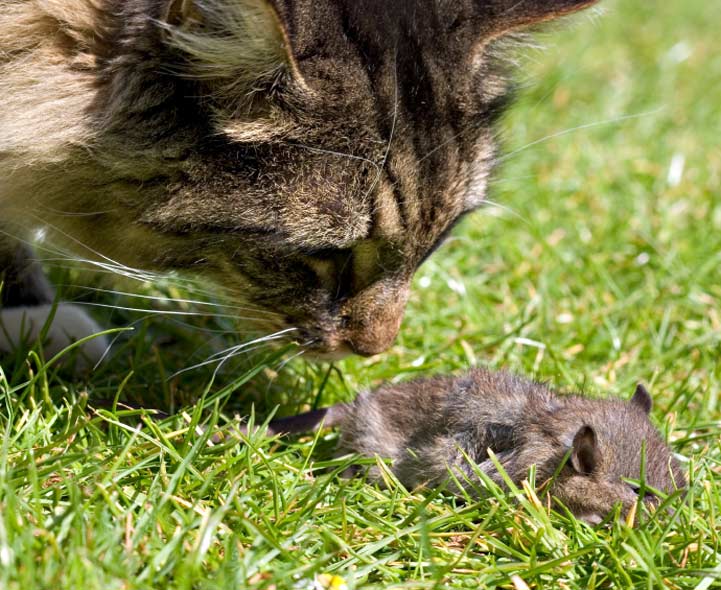
but the mouse got away.
because the mouse got away.
mouse got away.
clause the mouse got away.
Remember that the two sentences you are joining should still make sense when put together.
3 .
Which word is not a connective?

whereas
however
she
nevertheless
Again, these are all connectives that disagree with the first part of the sentence.
4 .
'You can do it yourself'/'you are so clever' - Which connective/conjunction would you use to join these two sentences together?

yet
and
because
however
As you can see, there are many connectives and conjunctions available, so make sure you write two clause sentences with one in!
5 .
'It's horrible'/'I'll eat it all.' Which connective/conjunction would you not use to join these two sentences together?

however
and
but
yet
When you join two sentences make sure you still only have one capital letter for the beginning of the sentence and one full stop at the end.
6 .
Finish this sentence: I'll lend you some money...

however I don't have any money on me right now.
but the horse is asleep.
so you should tiptoe.
and always count your sheep.
The first coins were made around 2,500 years ago.
7 .
Finish this sentence: They loved maths...

yet they all knew their times tables.
yet they all went fishing.
yet none of them knew their times tables.
yet none of them went fishing.
The word 'yet' means 'despite', so here it is saying they loved maths but....then something to do with them not liking it - that's why it's an opposing connective.
8 .
Which of these words is not a connective?

but
yet
although
hands
These connectives would all oppose or disagree with the first part of a sentence.
9 .
'He climbed as high as he could'/'he didn't like the view.' Which connective/conjunction would you not use to join these two sentences together?
but
yet
although
so
Koala bears have long claws to help them climb trees.
10 .
Which of these words is not a connective or a conjunction?

horse
and
but
so
Connectives work in the same way as a conjunction. They are words that link two clauses (or sentences) together.



**Unlimited Quizzes Await You! 🚀**
Hey there, quiz champ! 🌟 You've already tackled today's free questions.
Ready for more?
Ready for more?
🔓 Unlock UNLIMITED Quizzes and challenge yourself every day. But that's
not all...
not all...
🔥 As a Subscriber you can join our thrilling "Daily Streak" against other
quizzers. Try to win a coveted spot on our Hall of Fame Page.
quizzers. Try to win a coveted spot on our Hall of Fame Page.
Don't miss out! Join us now and keep the fun rolling. 🎉
**Unlimited Quizzes Await You! 🚀**
Hey there, quiz champ! 🌟 You've already tackled today's free questions. Ready for more?
🔓 Unlock UNLIMITED Quizzes and challenge yourself every day. But that's not all...
🔥 As a Subscriber you can join our thrilling "Daily Streak" against other quizzers. Try to win a coveted spot on our Hall of Fame Page.
Don't miss out! Join us now and keep the fun rolling. 🎉




© Copyright 2016-2026 - Education Quizzes
Work Innovate Ltd - Design | Development |
Marketing
