




Ask the AI Tutor
Need help with Homophones 2? Ask our AI Tutor!
AI Tutor - Lucy
Connecting with Tutor...
Please wait while we establish connection
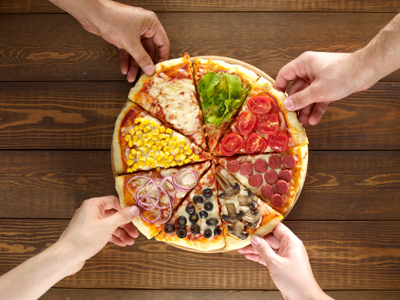
We ate all eight slices of pizza! The words 'ate' and 'eight' are homophones because they sound the same but are spelled differently and have different meanings. Do you like pizza? I do!
Homophones 2
Explore tricky sound-alike words in this KS1 English quiz. Learn homophones so you can tell which spelling matches the meaning in every sentence.
1 .
'I have a _ head because I have the _' Fill in the missing words.

soar and flew
soar and flu
sore and flew
sore and flu
'I have a sore head because I have the flu.' A bird can soar up high in the sky, which means they flew high up. There is also the word 'saw', which sounds the same as sore and soar.
2 .
'I _ you were _' Fill in the two gaps.

herd and bored
herd and board
heard and board
heard and bored
'I heard you were bored.' A herd of animals is a large group and a board game can stop you from being bored.
3 .
'I _ _ things about my friends.' Fill in the gaps.

know and for
know and four
no and for
no and four
'I know four things about my friends.' The word 'know' comes from 'knowledge'. There are three types of 'four'; there's the number four, 'for' as in, 'are you going for dinner' and 'fore', which means the front or forefront of something.
4 .
'That is a waste.' Which word is a homophone?
that
is
a
waste
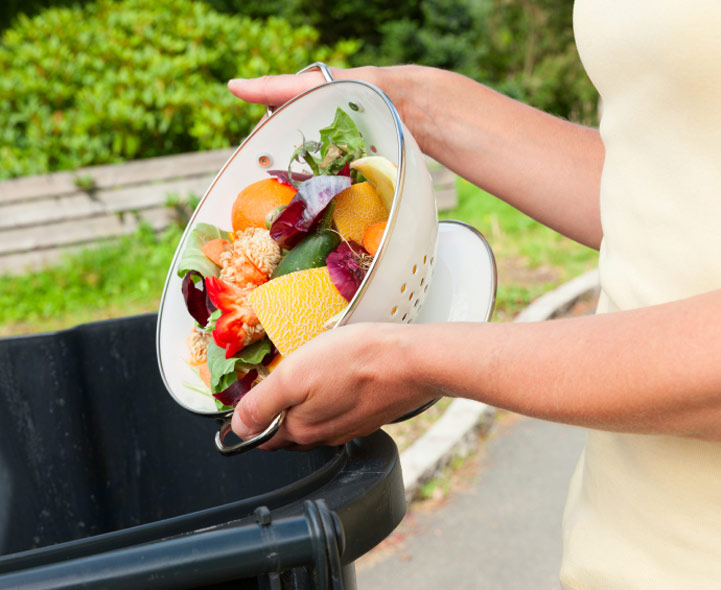
If you waste something, then you are not using something that others might like. A 'waist' is part of your body, around your stomach.
5 .
'Please put this in the mail.' Which word is a homophone?
please
put
this
mail
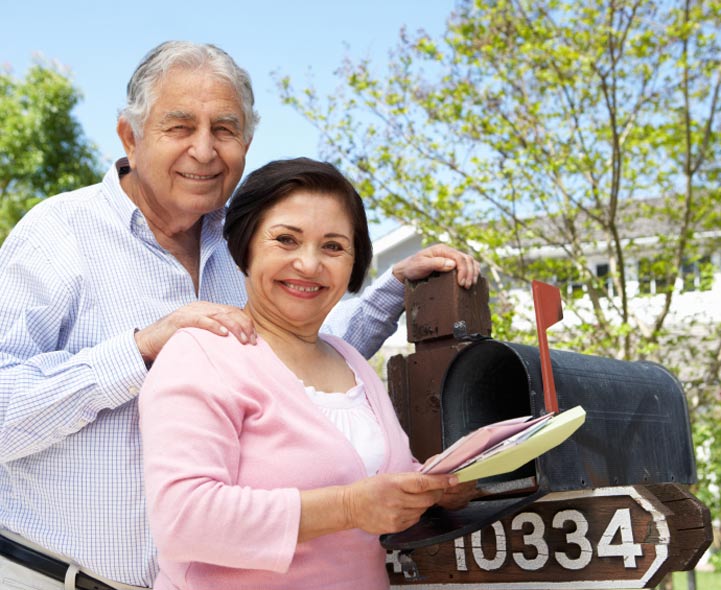
The word 'mail' means post but it sounds the same as 'male', which means man or boy.
6 .
'_ a good _' Fill in the gaps.

bee and guessed
bee and guest
be and guessed
be and guest
'Be a good guest.' A 'bee' is an insect and if you 'guessed' what the answer is, then you took a chance. If you are a 'guest' then you are just visiting.
7 .
'You _ _ inside the cave.' Which two words could fill in the gaps?
are and allowed
are and aloud
our and allowed
our and aloud
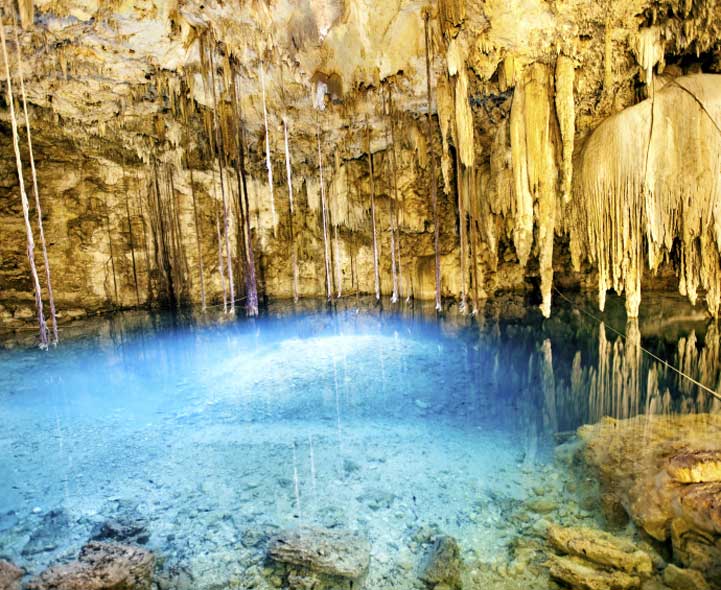
'You are allowed inside the cave.' If it belongs to some people we say it is 'ours' and if you need to say something out loud, we would say 'aloud'.
8 .
'I can't _ my _' Fill in the gaps.
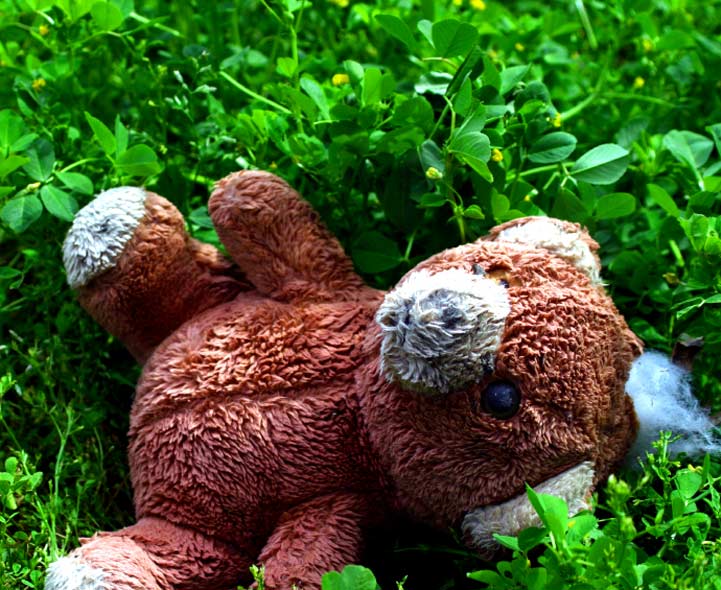
find and bear
find and bare
fined and bear
fined and bare
'I can't find my bear.' The word 'fined' means you have to pay money for something and 'bare' means naked.
9 .
'– – you outside' Fill in the gaps.

isle and meet
aisle and meet
I'll and meat
I'll and meet
'I'll meet you outside.' The word 'meet' means you will meet somebody but 'meat' is a type of food. There are two more words that sound like I'll (I will); there's 'isle', which is an island and 'aisle' which is like a shopping aisle or lane full of food.
10 .
'He _ _ the _' Fill in the three words.

world, through, desert
whirled, through, desert
whirled, threw, dessert
whirled, threw desert
'He whirled through the desert.' If he 'whirled' he twirled and if he threw something then it was thrown through the air. Finally a dessert is something you eat and a desert is a hot and sandy place.



**Unlimited Quizzes Await You! 🚀**
Hey there, quiz champ! 🌟 You've already tackled today's free questions.
Ready for more?
Ready for more?
🔓 Unlock UNLIMITED Quizzes and challenge yourself every day. But that's
not all...
not all...
🔥 As a Subscriber you can join our thrilling "Daily Streak" against other
quizzers. Try to win a coveted spot on our Hall of Fame Page.
quizzers. Try to win a coveted spot on our Hall of Fame Page.
Don't miss out! Join us now and keep the fun rolling. 🎉
**Unlimited Quizzes Await You! 🚀**
Hey there, quiz champ! 🌟 You've already tackled today's free questions. Ready for more?
🔓 Unlock UNLIMITED Quizzes and challenge yourself every day. But that's not all...
🔥 As a Subscriber you can join our thrilling "Daily Streak" against other quizzers. Try to win a coveted spot on our Hall of Fame Page.
Don't miss out! Join us now and keep the fun rolling. 🎉




© Copyright 2016-2026 - Education Quizzes
Work Innovate Ltd - Design | Development |
Marketing
