




Ask the AI Tutor
Need help with Synonyms 1? Ask our AI Tutor!
AI Tutor - Lucy
Connecting with Tutor...
Please wait while we establish connection

A synonym of 'happy' is 'cheerful'.
Synonyms 1
Explore synonyms to swap over-used words for sharper choices, making your sentences clearer, stronger and more interesting.
1 .
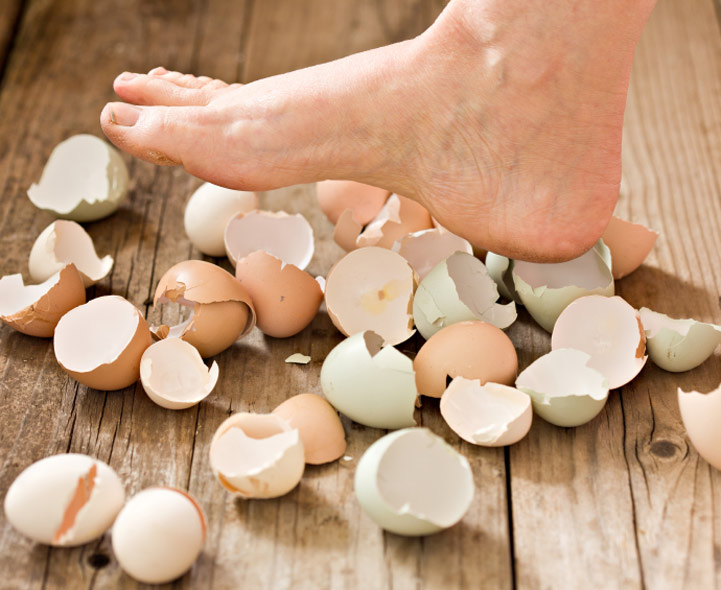
'I must tread carefully.' What could we use instead of the word 'carefully'?
dangerously
slowly
quickly
cautiously
The word cautious means careful.
2 .
What is a synonym?

Two words that sound the same.
Words that mean different things.
Words that have the same meaning.
Words that end in 'ed'.
When looking for a synonym, you are looking for another word that is exactly or as close as possible to meaning the same thing.
3 .
'The race was about to start.' What could we use instead of the word 'start'?

begin
end
finish
run
A thesaurus is like a dictionary but instead of helping you understand what a word means, it gives you other words that mean the same thing.
4 .
'The test was very difficult.' What could we use instead of the word 'difficult'?

fun
easy
hard
enjoyable
Hard and difficult both mean the same thing.
5 .
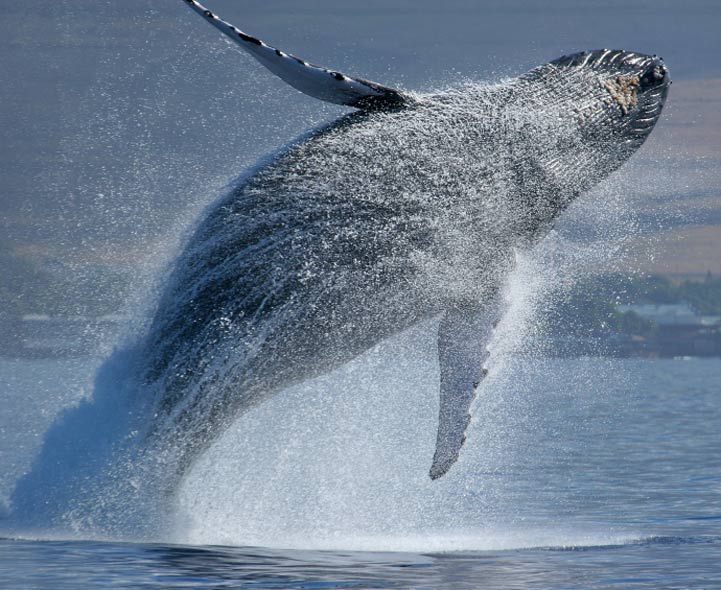
'The whale was huge.' What could we use instead of the word 'huge'?
enormous
small
tiny
crazy
The largest animal on earth is the blue whale.
6 .
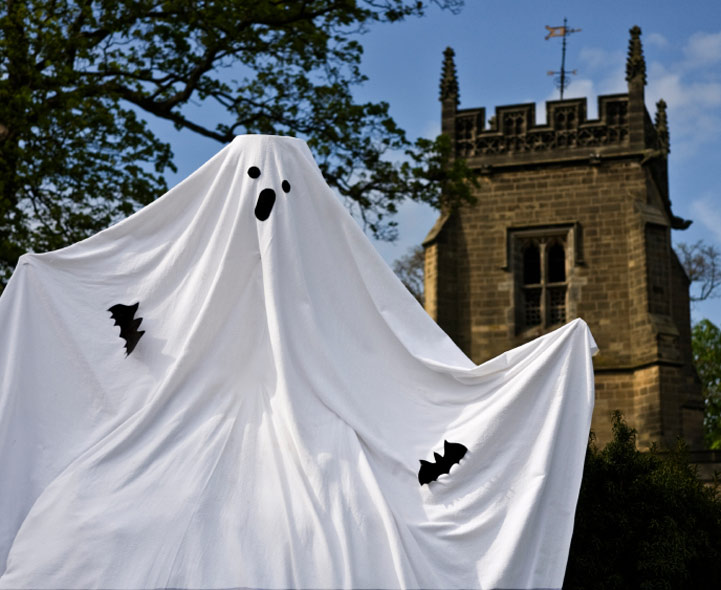
'The ghost was very scary.' What could we use instead of the word 'scary'?
funny
adorable
gorgeous
horrifying
In some countries, people celebrate Halloween and dress up as ghosts.
7 .
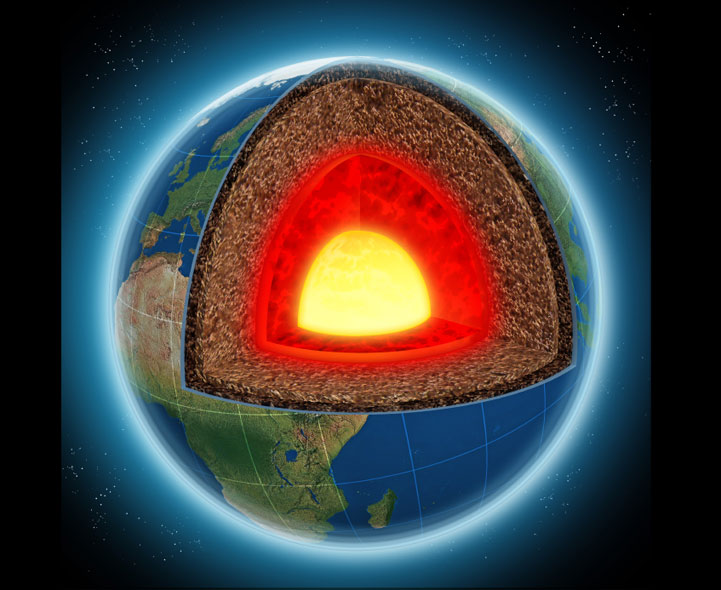
'They went to the centre of the earth.' What could we use instead of the word 'centre'?
outside
edge
middle
corner
The centre of the earth is called the core.
8 .
'He was a super hero.' What could we use instead of the word 'super'?

bad
excellent
average
kind
Imagine if we called Superman, Excellentman - that would be a bit harder to say.
9 .
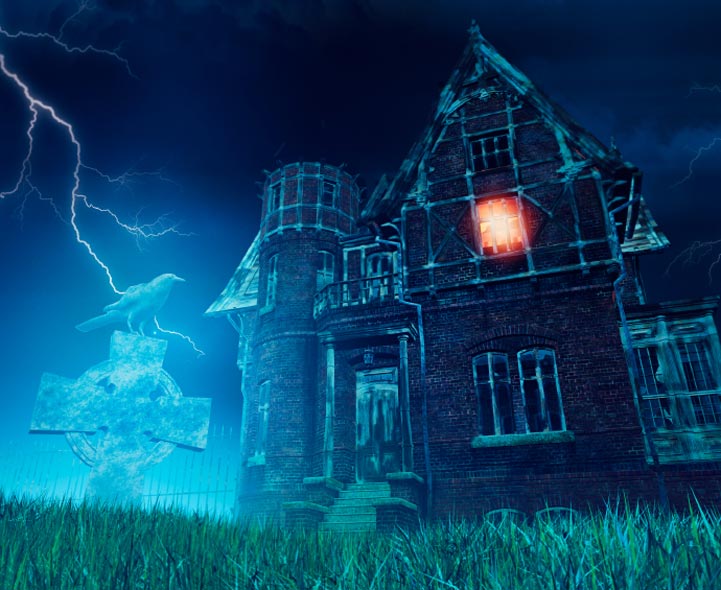
'The haunted house was empty.' What could we use instead of the word 'empty'?
full
surprised
overwhelmed
vacant
The word vacant means empty. When people look for jobs, they look for 'job vacancies'.
10 .
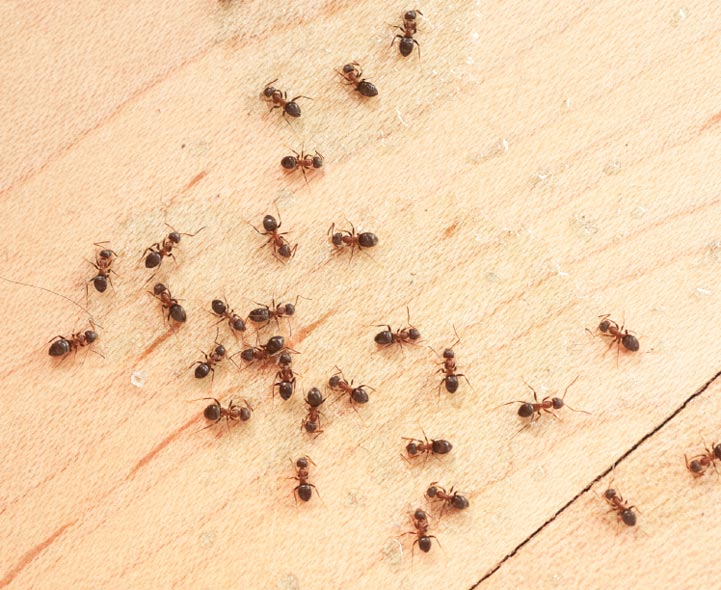
'Ants are very small.' What could we use instead of the word 'small'?
large
tiny
precious
loving
Some ants are as small as one to two millimetres long.



**Unlimited Quizzes Await You! 🚀**
Hey there, quiz champ! 🌟 You've already tackled today's free questions.
Ready for more?
Ready for more?
🔓 Unlock UNLIMITED Quizzes and challenge yourself every day. But that's
not all...
not all...
🔥 As a Subscriber you can join our thrilling "Daily Streak" against other
quizzers. Try to win a coveted spot on our Hall of Fame Page.
quizzers. Try to win a coveted spot on our Hall of Fame Page.
Don't miss out! Join us now and keep the fun rolling. 🎉
**Unlimited Quizzes Await You! 🚀**
Hey there, quiz champ! 🌟 You've already tackled today's free questions. Ready for more?
🔓 Unlock UNLIMITED Quizzes and challenge yourself every day. But that's not all...
🔥 As a Subscriber you can join our thrilling "Daily Streak" against other quizzers. Try to win a coveted spot on our Hall of Fame Page.
Don't miss out! Join us now and keep the fun rolling. 🎉




© Copyright 2016-2026 - Education Quizzes
Work Innovate Ltd - Design | Development |
Marketing
