




Ask the AI Tutor
Need help with Verbs - Past Tense (Irregular) 1? Ask our AI Tutor!
AI Tutor - Lucy
Connecting with Tutor...
Please wait while we establish connection

He thought carefully about his answer. The word 'thought' is the past tense of 'think'.
Verbs - Past Tense (Irregular) 1
Some verbs change in surprising ways. Learn how go becomes went and run becomes ran, helping your sentences sound right when you talk about yesterday.
1 .
The word 'catch' is present tense; which word is used to show it happened in the past?
catched
catching
caughted
caught
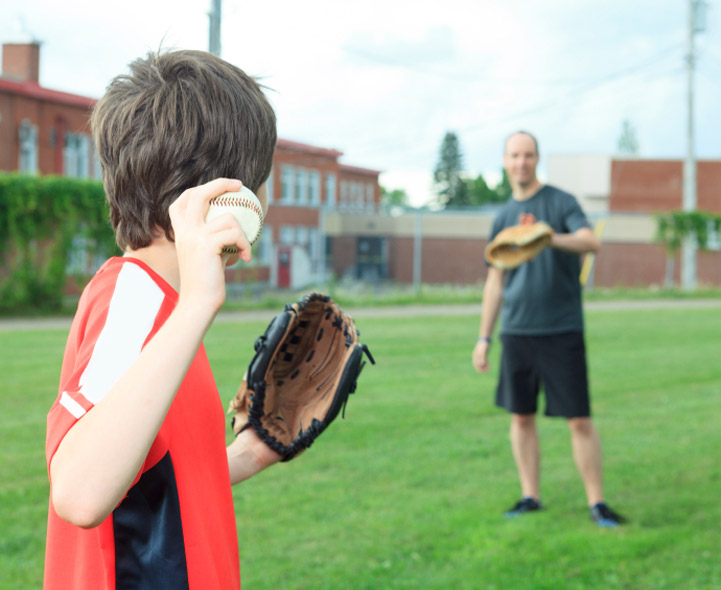
He caught the ball.
2 .
The word 'say' is present tense; which word is used to show it happened in the past?

say
sayed
said
sed
Many children spell 'said' wrong, unfortunately, it's a word that can't be spelt phonetically.
3 .
The word 'blow' is present tense; which word is used to show it happened in the past?

blowed
blowing
blows
blew
The flower the girl is blowing is called a dandelion. She blew off all the petals.
4 .
What do we mean by 'irregular past tense'?

It is a verb.
It is a verb that changes spelling when it happens in the past.
It's a verb that you need to add 'ed' to the end of the word to show it's in the past.
It's a noun that happened yesterday.
Sometimes, to show a verb happened yesterday, we can add 'ed'. However, for irregular past tense verbs, the word completely changes.
5 .
Using the verb 'to drink', which sentence is written in the past tense?

They drank their coffee.
They drink their coffee.
They drunked their coffee.
They dranking their coffee.
I will ask you to drink something, if you do, then you drank it.
6 .
The word 'buy' is present tense; which word is used to show it happened in the past?

bought
buyed
buy
brought
'Bought' is the word you use if you bought something from the shop yesterday.
7 .
Using the verb 'to draw', which sentence is written in the past tense?
She drawed on the floor.
She drew on the floor.
She draws on the floor.
She drews on the floor.
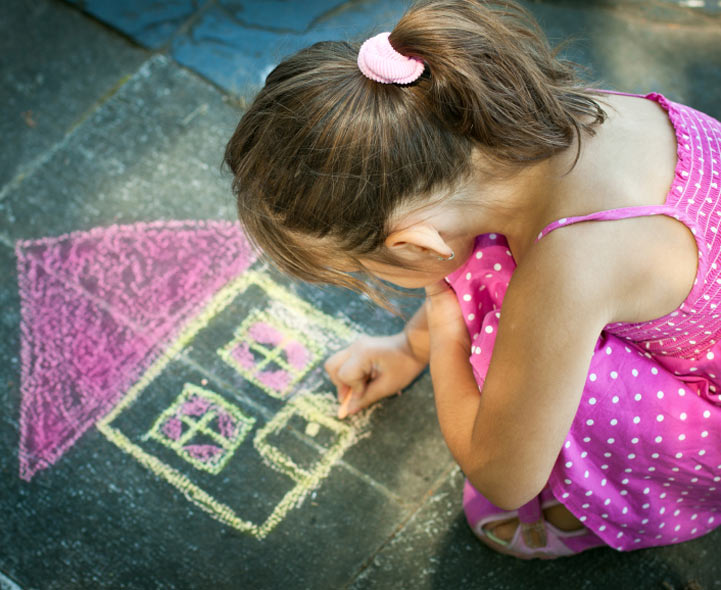
You may hear your friends saying they 'drawed a picture' but really, they should say they 'drew a picture'.
8 .
The word 'begin' is present tense; which word is used to show it happened in the past?

began
beginned
begined
beginning
Today I will begin to clean my house but yesterday I began to clean my bedroom.
9 .
The word 'bring' is present tense; which word is used to show it happened in the past?
bringed
brought
bought
brunged
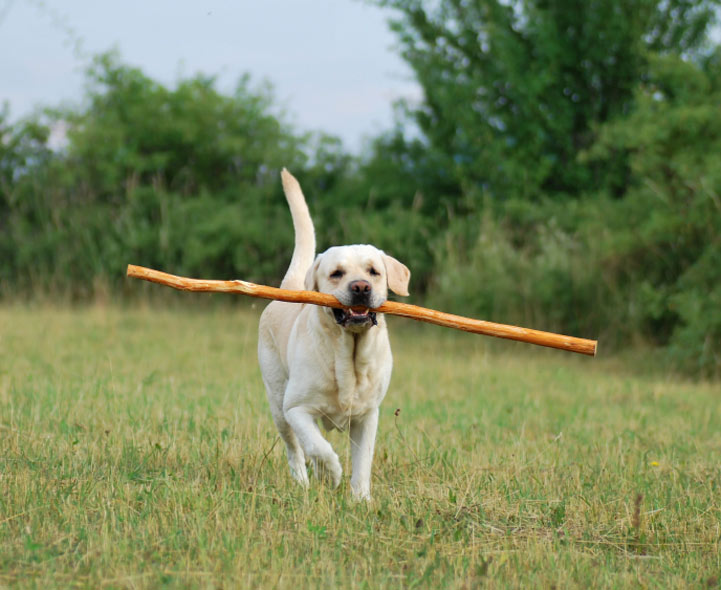
The dog brought me a stick. Make sure you don't write 'bought' as that means he went to the shop and bought it for you!
10 .
Using the verb 'to make', which sentence is written in the past tense?

I make you something.
I maked you something.
I made you something.
I maded you something.
I will make you something similar to what I made yesterday.
You can find more about this topic by visiting BBC Bitesize - What are past, present and future tense?



**Unlimited Quizzes Await You! 🚀**
Hey there, quiz champ! 🌟 You've already tackled today's free questions.
Ready for more?
Ready for more?
🔓 Unlock UNLIMITED Quizzes and challenge yourself every day. But that's
not all...
not all...
🔥 As a Subscriber you can join our thrilling "Daily Streak" against other
quizzers. Try to win a coveted spot on our Hall of Fame Page.
quizzers. Try to win a coveted spot on our Hall of Fame Page.
Don't miss out! Join us now and keep the fun rolling. 🎉
**Unlimited Quizzes Await You! 🚀**
Hey there, quiz champ! 🌟 You've already tackled today's free questions. Ready for more?
🔓 Unlock UNLIMITED Quizzes and challenge yourself every day. But that's not all...
🔥 As a Subscriber you can join our thrilling "Daily Streak" against other quizzers. Try to win a coveted spot on our Hall of Fame Page.
Don't miss out! Join us now and keep the fun rolling. 🎉




© Copyright 2016-2026 - Education Quizzes
Work Innovate Ltd - Design | Development |
Marketing
