




Ask the AI Tutor
Need help with Verbs - Past Tense (Irregular) 2? Ask our AI Tutor!
AI Tutor - Lucy
Connecting with Tutor...
Please wait while we establish connection

What were you taught in class today? The word 'taught' is the past tense of 'teach'.
Verbs - Past Tense (Irregular) 2
Irregular verbs like said and went help stories sound natural when we talk about things that already happened.
To see a larger image, click on the picture.
1 .
Which sentence is correct and written in the past tense?

I run a race.
I runned a race.
I ran a race.
I ranned a race.
Here, we change the word 'run' to 'ran'.
2 .
Which sentence is correct and written in the past tense?
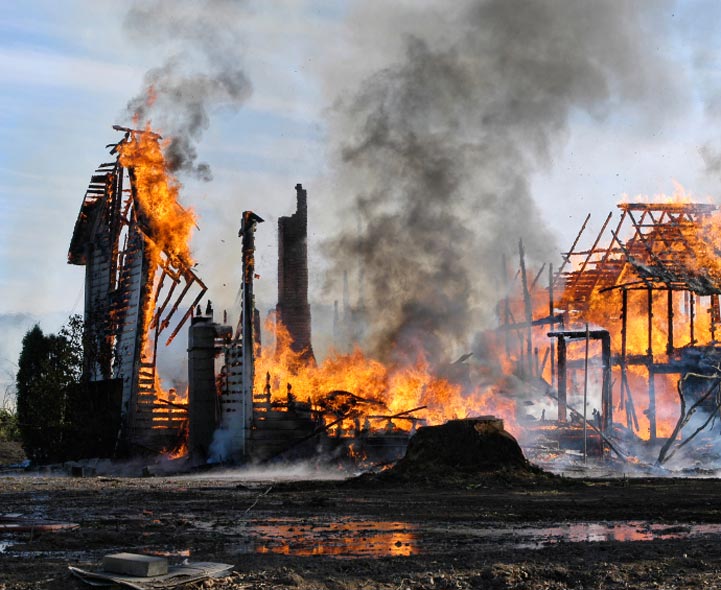
The fire burnt down the house.
The fire barnt down the house.
The fire burn down the house.
The fire burnet down the house.
The colours of flames vary depending on what material has been set alight.
3 .
Which sentence is correct and written in the past tense?
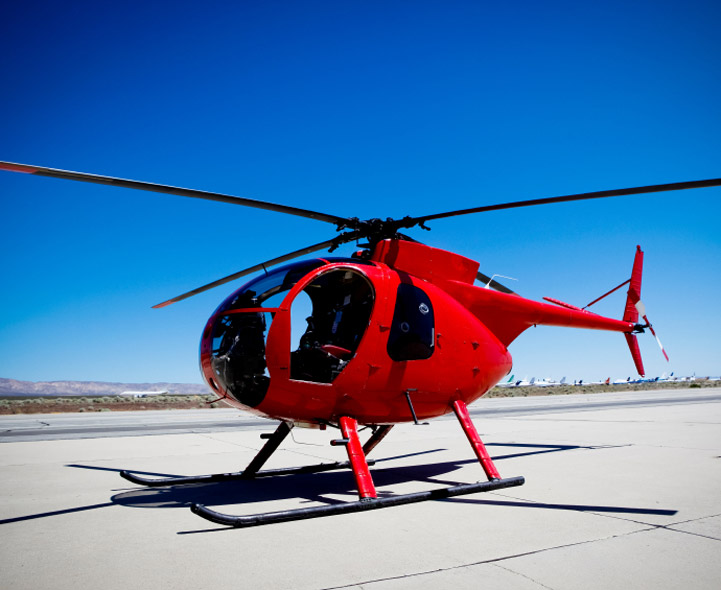
The helicopter flown in the air.
The helicopter flew in the air.
The helicopter flied in the air.
The helicopter flyed in the air.
The word 'fly' changes to 'flew', so 'you will fly in the air' changes to 'you flew in the air'.
4 .
Which sentence is correct and written in the past tense?

I saw you.
I see you.
I seed you.
I sawed you.
The word 'see' changes to 'saw' and the word seesaw is a ride in the park!
5 .
Which sentence is correct and written in the past tense?

He hear his friend on the other end.
He heared his friend on the other end.
He hoard his friend on the other end.
He heard his friend on the other end.
Normally we add 'ed' to show something happened in the past. This word is an irregular past tense because we don't add 'ed', we just add 'd'.
6 .
Which sentence is correct and written in the past tense?

I kept the treasure!
I keep the treasure!
I keept the treasure!
I keeped the treasure!
Treasure hunting still happens today but often, people use a metal detector to find coins.
7 .
Which sentence is correct and written in the past tense?

I find treasure.
I finded treasure.
I founded treasure.
I found treasure.
This word changes quite a bit - it goes from 'find' to 'found'.
8 .
Which sentence is correct and written in the past tense?

I sing in the car.
I singed in the car.
I sanged in the car.
I sang in the car.
You just need to change the vowel in this word to show it happened in the past.
9 .
Which sentence is correct and written in the past tense?

I meeted my friends.
I met my friends.
I meet my friends.
I meets my friends.
If you are going to meet your friends then it is in the future, if you meet them then you are doing it now and if you met them, you did it yesterday.
10 .
How do you change the word 'fight' to the past tense?

fought
fighted
faght
foughted
Fight is the present tense way of saying it but if you have already fought - then it's already happened!
You can find more about this topic by visiting BBC Bitesize - What are past, present and future tense?



**Unlimited Quizzes Await You! 🚀**
Hey there, quiz champ! 🌟 You've already tackled today's free questions.
Ready for more?
Ready for more?
🔓 Unlock UNLIMITED Quizzes and challenge yourself every day. But that's
not all...
not all...
🔥 As a Subscriber you can join our thrilling "Daily Streak" against other
quizzers. Try to win a coveted spot on our Hall of Fame Page.
quizzers. Try to win a coveted spot on our Hall of Fame Page.
Don't miss out! Join us now and keep the fun rolling. 🎉
**Unlimited Quizzes Await You! 🚀**
Hey there, quiz champ! 🌟 You've already tackled today's free questions. Ready for more?
🔓 Unlock UNLIMITED Quizzes and challenge yourself every day. But that's not all...
🔥 As a Subscriber you can join our thrilling "Daily Streak" against other quizzers. Try to win a coveted spot on our Hall of Fame Page.
Don't miss out! Join us now and keep the fun rolling. 🎉




© Copyright 2016-2026 - Education Quizzes
Work Innovate Ltd - Design | Development |
Marketing
