




Ask the AI Tutor
Need help with Word Patterns (Categories, Odd One Out)? Ask our AI Tutor!
AI Tutor - Lucy
Connecting with Tutor...
Please wait while we establish connection

Use your special detective skills to see if you can spot the patterns!
Word Patterns (Categories, Odd One Out)
Look closely at words and spot patterns in how they are built. Sort them into groups and choose which one is the odd one out.
To see a larger image, click on the picture.
1 .
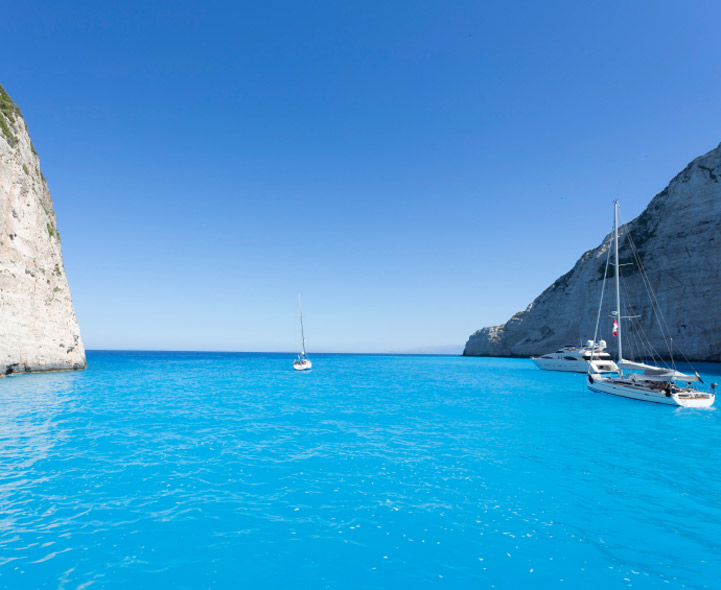
'Shark, whale, salmon.' Which answer can join this group?
donkeys
tortoise
snails
jellyfish
This is a group of sea creatures. Tortoises are different to turtles because tortoises live on land whereas turtles spend most of their life in the sea.
2 .
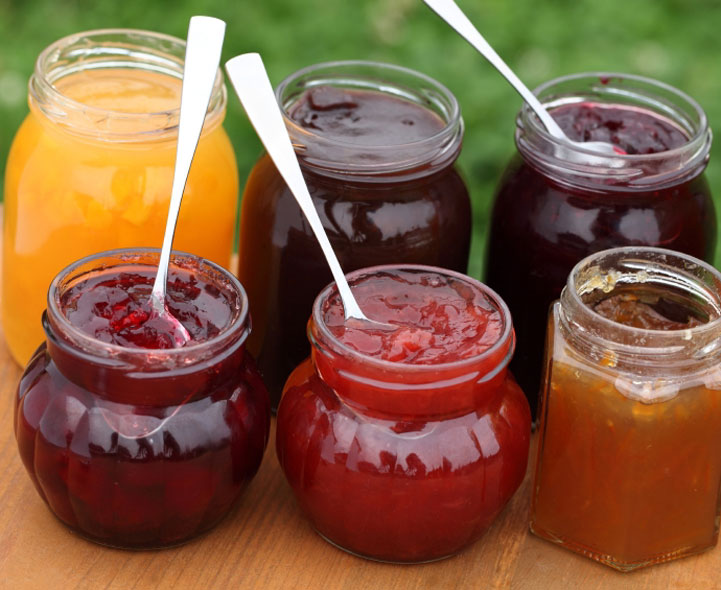
'Mice, monkeys, marmalade.' Which answer can join this group?
apes
matches
squirrels
sloths
The pattern between the words is that they all begin with 'm'. If they didn't all begin with 'm', then the other three answers could go in a category for animals that climb trees.
3 .
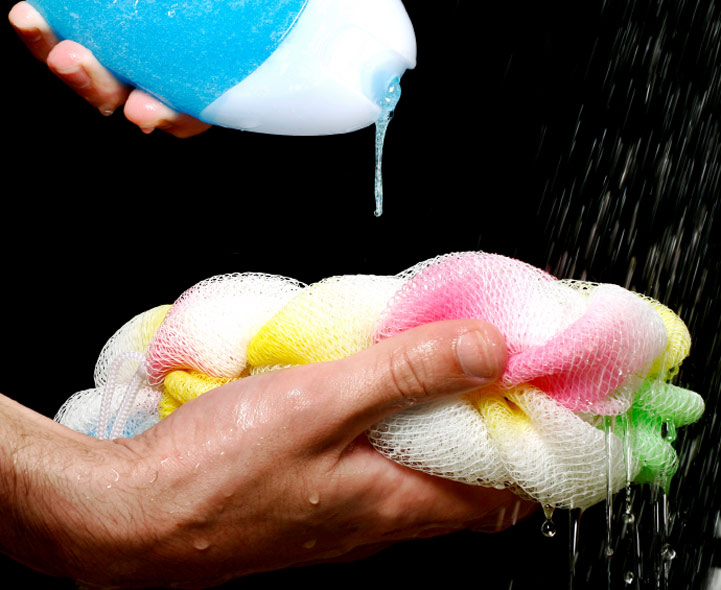
'Slippery, shower, soap.' Which word could join this group?
conditioner
shampoo
water
clean
These are all words to do with having a shower but the words in the question have another pattern: they all begin with the letter 's'.
4 .
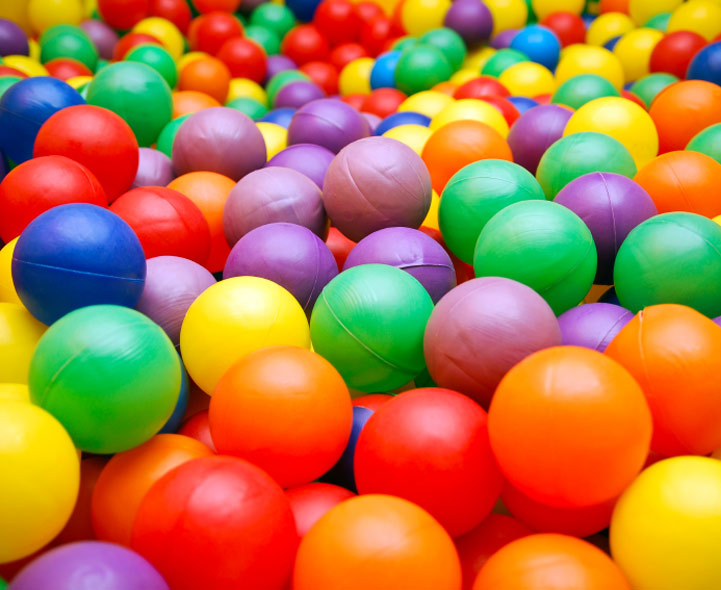
'Red, yellow, pink, blue.' Which answer could join this group?
dog
purple
house
chair
These are all colours. We could organise colours further, by writing just the prime colours: red, blue and yellow.
5 .
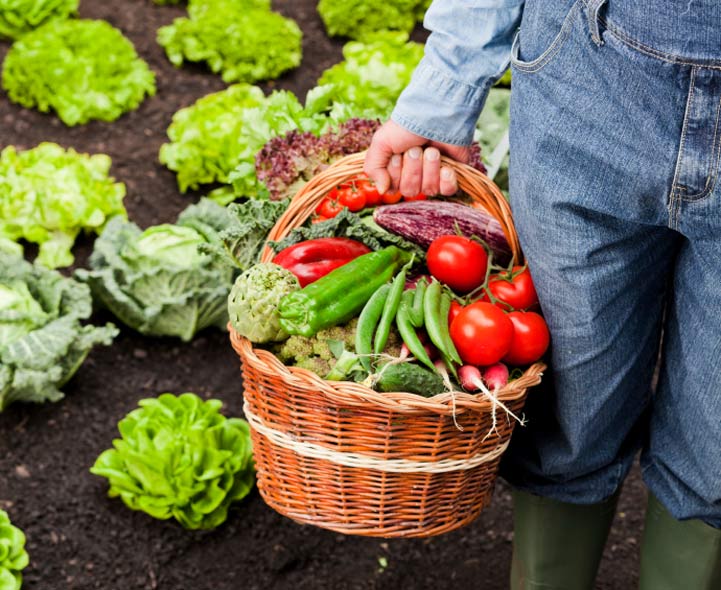
'Cabbage, broccoli, carrots.' Which word can join this group?
potatoes
apples
plums
grapes
These are all vegetables. The other answers could be grouped as fruits. Or all of these answers can be in a group called food.
6 .
'Angry, furious, annoyed.' Which answer can join this group?

happy
displeased
friendly
fast
This group shows words that mean the same thing, they are synonyms. Each word tells us that the character is an angry person.
7 .
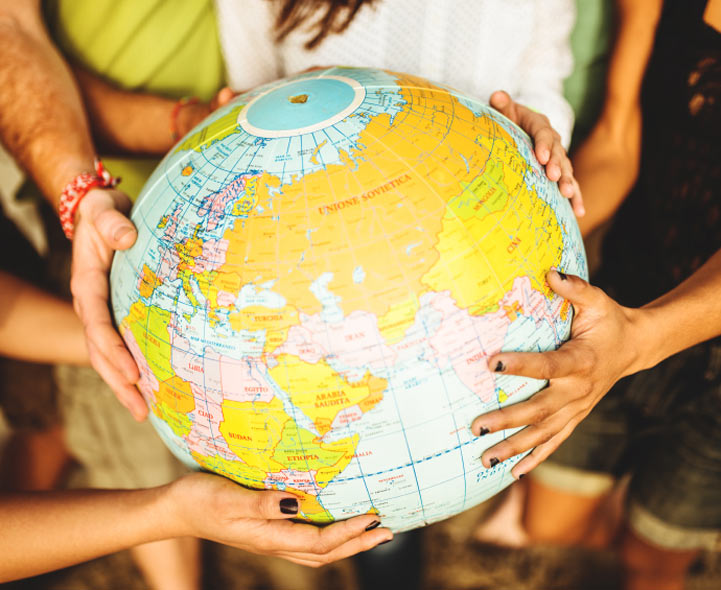
'Egypt, Italy, England.' Which answer can join this group?
London
Paris
Madrid
Spain
This is a group of countries. The other answers are all capital cities; London is the capital of England, Paris is the capital of France and Madrid is the capital of Spain.
8 .
'Amazon, banana, China.' Which word belongs in this group?

carrots
crown
donkey
red
These words are in alphabetical order. The first letter of each word starts with A, then B, then C, then D etc.
9 .
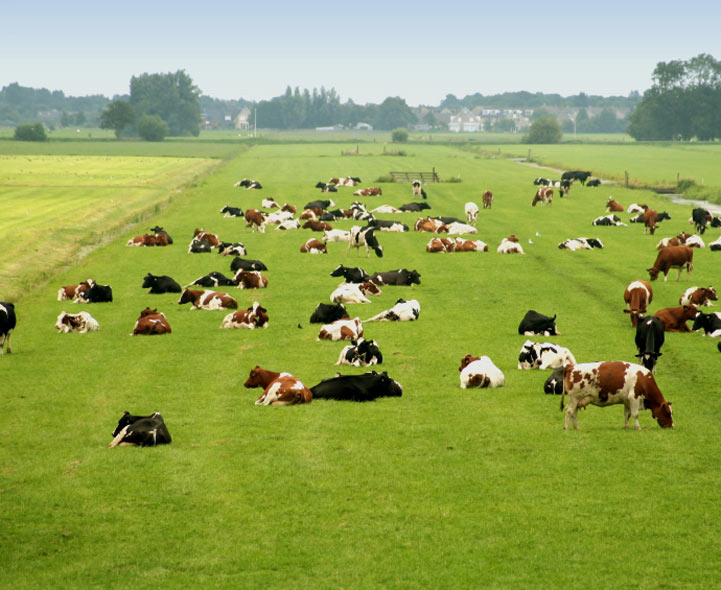
'Pigs, cows, sheep.' Which answer could join this list?
sharks
ants
chickens
birds
These are all farmyard animals. Naturally there will be ants and birds in a farm but they aren't considered as animals that are kept purely in a farm as they are everywhere and are free to leave.
10 .
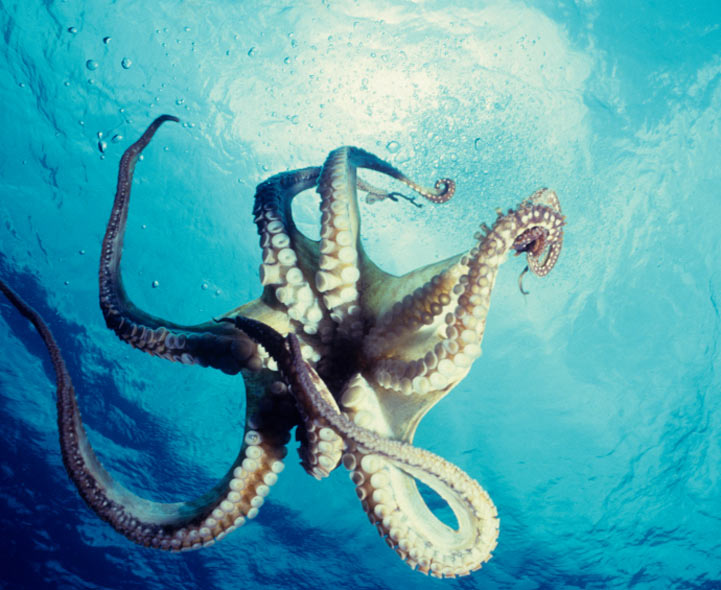
'Octopus, octagonal, spiders.' Which word could join this group?
October
worm
octave
fly
If the word 'spider' wasn't in the list, we could say it was words beginning with 'oct'. However, it is a group made of words that involve the number 8. Octopuses have 8 legs, octagons have 8 sides, spiders have 8 legs and an octave is a series of 8 musical notes.



**Unlimited Quizzes Await You! 🚀**
Hey there, quiz champ! 🌟 You've already tackled today's free questions.
Ready for more?
Ready for more?
🔓 Unlock UNLIMITED Quizzes and challenge yourself every day. But that's
not all...
not all...
🔥 As a Subscriber you can join our thrilling "Daily Streak" against other
quizzers. Try to win a coveted spot on our Hall of Fame Page.
quizzers. Try to win a coveted spot on our Hall of Fame Page.
Don't miss out! Join us now and keep the fun rolling. 🎉
**Unlimited Quizzes Await You! 🚀**
Hey there, quiz champ! 🌟 You've already tackled today's free questions. Ready for more?
🔓 Unlock UNLIMITED Quizzes and challenge yourself every day. But that's not all...
🔥 As a Subscriber you can join our thrilling "Daily Streak" against other quizzers. Try to win a coveted spot on our Hall of Fame Page.
Don't miss out! Join us now and keep the fun rolling. 🎉




© Copyright 2016-2026 - Education Quizzes
Work Innovate Ltd - Design | Development |
Marketing
