




Ask the AI Tutor
Need help with Writing - Numbers? Ask our AI Tutor!
AI Tutor - Lucy
Connecting with Tutor...
Please wait while we establish connection
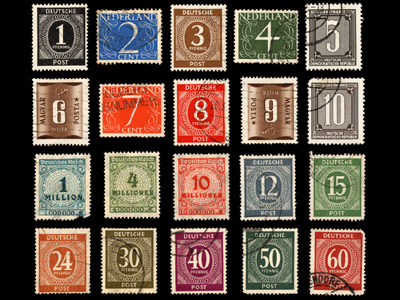
Test yourself on numbers in this quiz.
Writing - Numbers
Practise writing numbers in words. Read each question and decide how to spell the number correctly so your sentences are clear, neat and easy to understand.
1 .
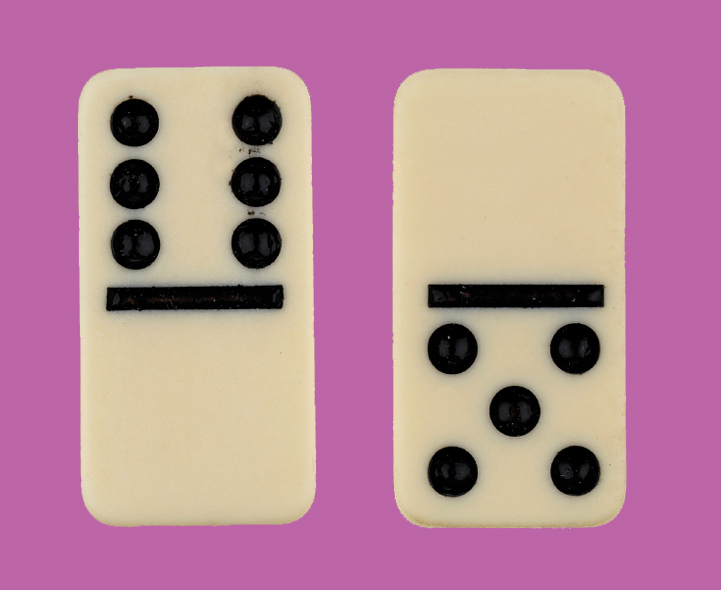
What are the correct spellings for 5 and 6?
thive and six
fiv and six
five and sox
five and six
These numbers come after each other - 1, 2, 3, 4, 5, 6.
2 .
23, 24, 25, 26 - All these numbers are in the...

teens
twenties
thirties
forties
You can be in your twenties (as in 23 years old) or talk about the twenties (as in 1920s).
3 .
Which of these numbers isn't in the 'teens'?

14
16
18
20
A 'teen' number is any number that ends with the word 'teen'. These numbers are 13, 14, 15, 16, 17, 18, 19.
4 .
Which of these is the correct spelling for this number? 8

aite
ate
eight
eigt
The words eight and ate are homophones. Lots of numbers are homophones and that's why they are quite hard to spell!
5 .
Which of these is the correct spelling for this number? 1

run
won
one
Juan
The word 'one' is a homophone as 'won' sounds the same but means something completely different.
6 .
Which of these is the correct spelling for this number? 3

three
free
thre
tree
Three and free are not homophones as the 'f' sound is very different to the 'th' sound.
7 .
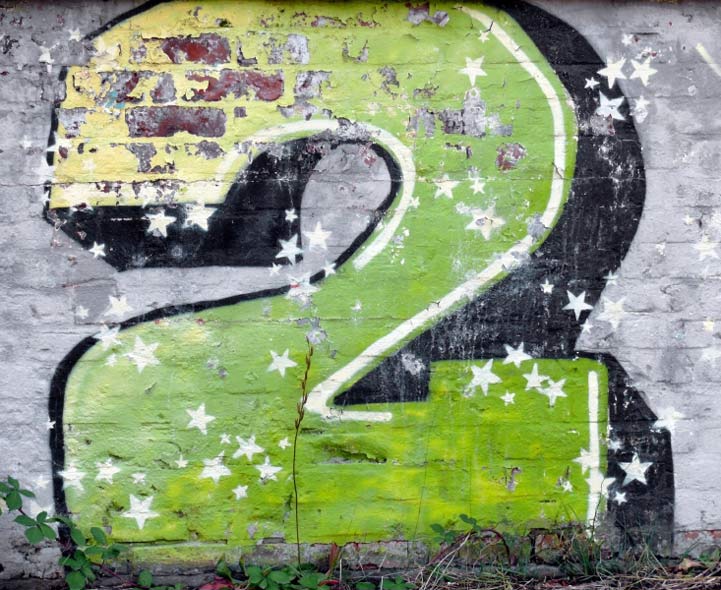
Which of these is the correct spelling for this number? 2
two
to
too
tow
The word 'two' is a homophone and sounds the same as 'to' and 'too'.
8 .
Which of these is the correct spelling for this number? 20

twenty
twentie
twentey
twenny
When you say the number 'twenty' make sure you pronounce the 't' at the end!
9 .
This number rhymes with 'delve' - what is it?

eleven
twelve
thirteen
fourteen
You could say, 'He delved into the sand to find treasure'.
10 .
Which of these is the correct spelling for this number? 4

fore
for
Thor
four
It's a homophone. The third answer is a real word, its the name of a Norse god.



**Unlimited Quizzes Await You! 🚀**
Hey there, quiz champ! 🌟 You've already tackled today's free questions.
Ready for more?
Ready for more?
🔓 Unlock UNLIMITED Quizzes and challenge yourself every day. But that's
not all...
not all...
🔥 As a Subscriber you can join our thrilling "Daily Streak" against other
quizzers. Try to win a coveted spot on our Hall of Fame Page.
quizzers. Try to win a coveted spot on our Hall of Fame Page.
Don't miss out! Join us now and keep the fun rolling. 🎉
**Unlimited Quizzes Await You! 🚀**
Hey there, quiz champ! 🌟 You've already tackled today's free questions. Ready for more?
🔓 Unlock UNLIMITED Quizzes and challenge yourself every day. But that's not all...
🔥 As a Subscriber you can join our thrilling "Daily Streak" against other quizzers. Try to win a coveted spot on our Hall of Fame Page.
Don't miss out! Join us now and keep the fun rolling. 🎉




© Copyright 2016-2026 - Education Quizzes
Work Innovate Ltd - Design | Development |
Marketing
