




Ask the AI Tutor
Need help with Festivals and Celebrations in Britain 1? Ask our AI Tutor!
AI Tutor - Lucy
Connecting with Tutor...
Please wait while we establish connection
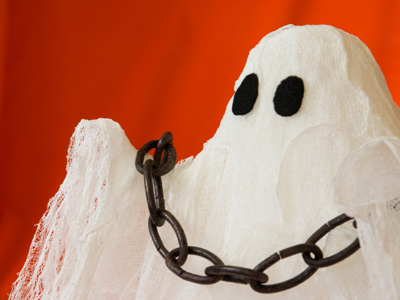
At Halloween things get a little bit spooky!
Festivals and Celebrations in Britain 1
Festivals and celebrations are special days when people come together. In this quiz, you will explore British traditions, from Christmas lights to colourful parades and parties.
1 .
At the end of October things get a bit spooky! What do we celebrate?
Christmas Eve
Halloween
Mother's Day
The Edinburgh Festival
The modern way of celebrating Halloween is based on the Christian feast of All Hallows’ Eve and the Celtic festival of Samhain. Trick or treat?
2 .
Why are bonfires lit on the 5th of November?
Because it gets cold in November
To get rid of all the rubbish from the garden
To remember the Gunpower Plot and Guy Fawkes
To light up the streets to save money on lighting
This date marks the anniversary of Guy Fawkes’ plot to blow up the House of Lords and assassinate King James I in 1605
3 .
On one day of the year it is acceptable to play tricks and jokes on friends and family. When is this?
May 2nd
April 1st
June 4th
March 30th
This day is known as April Fool's Day. Even newspapers, TV and radio shows often feature fake stories on this day
4 .
On the 11th hour of the 11th day of the 11th month of the year, who do we remember?
Members of the armed forces
The King and his family
All our politicians
Pets around the country
The Royal British Legion charity sells paper poppy flowers to raise funds for veterans and their families. The poppy is a symbol of Remembrance Day
5 .
Pancake Day signals the beginning of Lent. What name is it also known by?
Shruve Monday
Shrave Thursday
Shrive Wednesday
Shrove Tuesday
Lent is the traditional Christian period of fasting, which lasts for 40 days. Shrove Tuesday is the day before Lent, when households would traditionally use up their eggs, milk and sugar by making pancakes
6 .
On the 25th of January, a famous Scotsman's life is celebrated. Who was he?
James Scalds
Robert Burns
John Singe
Donald Heat
Many Scottish people hold a special supper (dinner) on Burns’ Night, a celebration of Robert Burns, with toasts and readings of his poetry
7 .
St. George's Day is celebrated on the 23rd of April. What was St. George supposed to have done?
Knitted a jumper
Made a red cross
Slayed a dragon
Built a tall tower
The legend is that St. George was a Roman soldier who killed a dragon to rescue a princess!
8 .
Europe’s biggest street festival happens in July. Where does it take place?
Edinburgh
Notting Hill
Cardiff
Belfast
It is called the Notting Hill Carnival. Around 1 million people go to see colourful floats and dancers in flamboyant costumes dance to music
9 .
What is the day after Christmas Day called?
Hitting Day
Boxing Day
Karate Day
Fighting Day
It’s believed to have been named after the ‘Christmas box’ of money or gifts which employers used to give to servants and tradesmen
10 .
The 21st of June is the Summer Solstice. What does this mean?
The day and night are exactly the same length
The shortest day and longest night in the year
The hottest day of the year
The longest day and shortest night in the year
Lots of people celebrate the solstice by watching the sunrise



**Unlimited Quizzes Await You! 🚀**
Hey there, quiz champ! 🌟 You've already tackled today's free questions.
Ready for more?
Ready for more?
🔓 Unlock UNLIMITED Quizzes and challenge yourself every day. But that's
not all...
not all...
🔥 As a Subscriber you can join our thrilling "Daily Streak" against other
quizzers. Try to win a coveted spot on our Hall of Fame Page.
quizzers. Try to win a coveted spot on our Hall of Fame Page.
Don't miss out! Join us now and keep the fun rolling. 🎉
**Unlimited Quizzes Await You! 🚀**
Hey there, quiz champ! 🌟 You've already tackled today's free questions. Ready for more?
🔓 Unlock UNLIMITED Quizzes and challenge yourself every day. But that's not all...
🔥 As a Subscriber you can join our thrilling "Daily Streak" against other quizzers. Try to win a coveted spot on our Hall of Fame Page.
Don't miss out! Join us now and keep the fun rolling. 🎉




© Copyright 2016-2026 - Education Quizzes
Work Innovate Ltd - Design | Development |
Marketing
