




Ask the AI Tutor
Need help with War? Ask our AI Tutor!
AI Tutor - Lucy
Connecting with Tutor...
Please wait while we establish connection
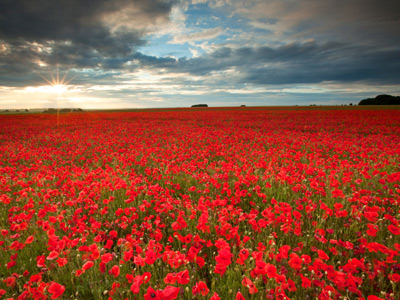
Poppies have become a symbol of World War I because they have grown around some of the places where battles were fought.
War
War is a serious topic, but learning about it helps us understand how people lived, stayed safe and worked together during difficult times in the past.
1 .
The First World War began on the 28th of July 1914 and ended on the 11th of November 1918. It was also known as...
The Big War
The Great War
The Large War
The Huge War
World War I involved two main sides: the Allied Powers and the Central Powers
2 .
What happened at 11:00am on the 11th of November, 1918?
A new war started
All the clocks went back an hour
Everyone in the world stood for a minute's silence
An agreement was signed which ended WW1
We still remember the soldiers who died on this day, which is known as Remembrance Day
3 .
What flower do some people wear around that time?
A rose
A lily
A daffodil
A poppy
Poppies became a symbol of World War I because they have grown around some of the places where battles were fought
4 .
How long did World War II last?
10 years
6 years
6 months
6 weeks
World War II involved many countries around the globe fighting against each other, including the UK. It lasted six years, from 1939-1945
5 .
What started World War II?
The Italian army invaded Spain
The French army invaded England
The German army invaded Poland
The British army invaded Germany
The War became a global conflict after the German military, led by Adolf Hitler, invaded Poland in 1939 because he wanted to take some of their land for Germany
6 .
Which famous Prime Minister led Great Britain through most of the conflict?
Winston Churchill
David Cameron
John Major
Tony Blair
Churchill was noted for his rousing speeches and smoking lots of cigars
7 .
During the war, local men who weren't called up to fight formed a band of volunteers to defend the country. What were they called?
The Home Guard
The National Protectors
The Local Defenders
The Country Shield
The Home Guard were the last line of defence if the country was ever invaded
8 .
What was The Luftwaffe?
A special kind of gun
A listening device to spy on the enemy
A poster about the war
The German air force
The Luftwaffe used bombers and fighters. They used the bombers to attack towns and cities, and the fighters to stop the RAF fighters from destroying German bombers
9 .
What were 'Land Girls'?
Young girls who dug holes for the enemy to fall into
Women who were in charge of deciding who owned the land
Women who helped aircraft to land safely during the war
Women who took over farming the land when the men left to fight
The women were from all over Britain and worked on farms, helping to grow and produce food for the rest of the country
10 .
What did people carry to protect themselves in case of an attack?
Gas masks
Identification papers
Lucky charms
A plastic shield
A gas mask would allow the wearer to breathe clean air no matter how dirty or poisonous the air around them was after a bombing
Our Social Circles




**Unlimited Quizzes Await You! 🚀**
Hey there, quiz champ! 🌟 You've already tackled today's free questions.
Ready for more?
Ready for more?
🔓 Unlock UNLIMITED Quizzes and challenge yourself every day. But that's
not all...
not all...
🔥 As a Subscriber you can join our thrilling "Daily Streak" against other
quizzers. Try to win a coveted spot on our Hall of Fame Page.
quizzers. Try to win a coveted spot on our Hall of Fame Page.
Don't miss out! Join us now and keep the fun rolling. 🎉
**Unlimited Quizzes Await You! 🚀**
Hey there, quiz champ! 🌟 You've already tackled today's free questions. Ready for more?
🔓 Unlock UNLIMITED Quizzes and challenge yourself every day. But that's not all...
🔥 As a Subscriber you can join our thrilling "Daily Streak" against other quizzers. Try to win a coveted spot on our Hall of Fame Page.
Don't miss out! Join us now and keep the fun rolling. 🎉
© Copyright 2016-2026 - Education Quizzes
Work Innovate Ltd - Design | Development |
Marketing
