




Ask the AI Tutor
Need help with Year 1 Shapes - Everyday Objects? Ask our AI Tutor!
AI Tutor - Lucy
Connecting with Tutor...
Please wait while we establish connection
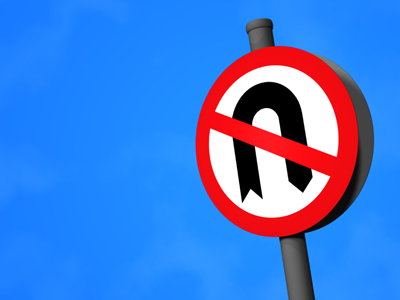
Road signs can be square, oblong or even triangular but this one is a circle.
Year 1 Shapes - Everyday Objects
Find real-world shapes in everyday objects. Spot circles in wheels, triangles in flags, and hexagons in honeycomb to practise naming and describing 2D and 3D forms.
To see a larger image, click on the picture.
Question 1
What shape is on top of this building?

Cube
Oblong
Pyramid
Sphere
It is a pyramid made from glass
Question 2
What shape is a cereal box?

A sphere
A square
A rectangle
A cuboid
Lots of foods are stored in cuboid-shaped boxes!
Question 3
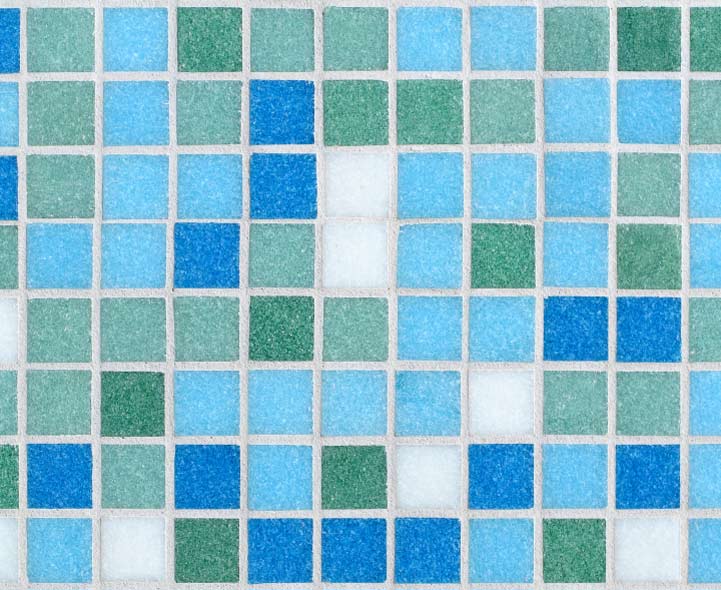
These swimming pool tiles are...
Spheres
Triangles
Circles
Squares
Squares fit together easily to make patterns
Question 4
These marbles are...

Circles
Spheres
Cubes
Cuboids
They are spheres and so roll really well
Question 5
What shape are these buildings?

Spheres
Pyramids
Cubes
Circles
These are the famous pyramids in Egypt
Question 6
Our planet is a...

Round
Square
Circle
Sphere
Most planets are considered to be spheres
Question 7
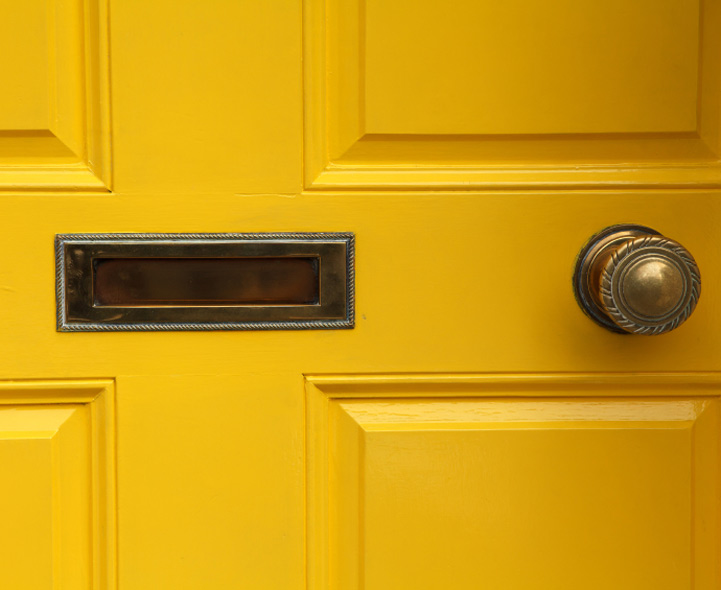
What shape is the letterbox?
An oblong
A sphere
A square
A triangle
Oblongs have two pairs of sides and 4 90 degree angles
Question 8
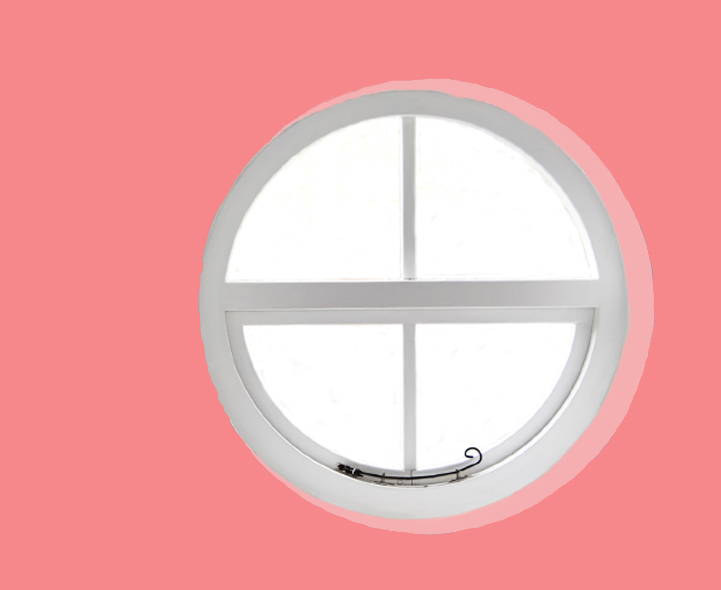
What shape is this window?
Square
Circle
Triangle
Oblong
This is a round window!
Question 9
What shape are these building blocks?
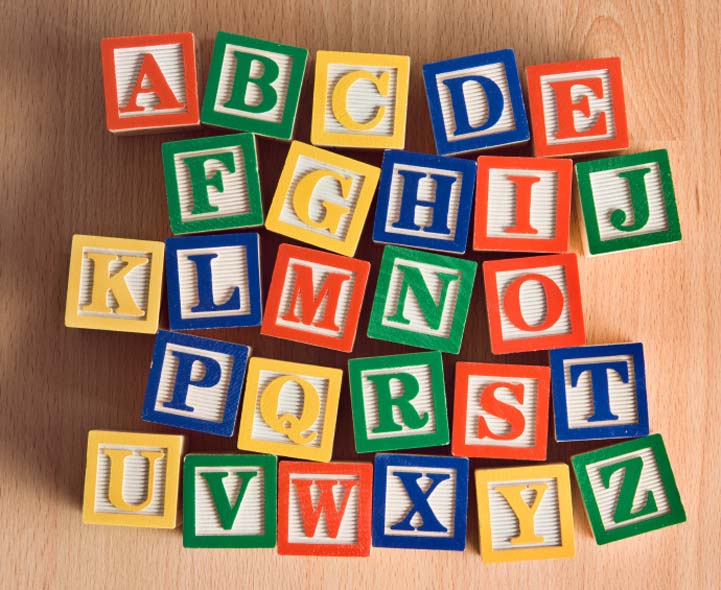
Spheres
Cubes
Pyramids
Squares
Cubes are good for stacking
Question 10
What shape is this road sign?

A square
A cube
A triangle
A sphere
Lots of warning signs are triangular



**Unlimited Quizzes Await You! 🚀**
Hey there, quiz champ! 🌟 You've already tackled today's free questions.
Ready for more?
Ready for more?
🔓 Unlock UNLIMITED Quizzes and challenge yourself every day. But that's
not all...
not all...
🔥 As a Subscriber you can join our thrilling "Daily Streak" against other
quizzers. Try to win a coveted spot on our Hall of Fame Page.
quizzers. Try to win a coveted spot on our Hall of Fame Page.
Don't miss out! Join us now and keep the fun rolling. 🎉
**Unlimited Quizzes Await You! 🚀**
Hey there, quiz champ! 🌟 You've already tackled today's free questions. Ready for more?
🔓 Unlock UNLIMITED Quizzes and challenge yourself every day. But that's not all...
🔥 As a Subscriber you can join our thrilling "Daily Streak" against other quizzers. Try to win a coveted spot on our Hall of Fame Page.
Don't miss out! Join us now and keep the fun rolling. 🎉




© Copyright 2016-2026 - Education Quizzes
Work Innovate Ltd - Design | Development |
Marketing
