




Ask the AI Tutor
Need help with Year 2 Measurements - Mass? Ask our AI Tutor!
AI Tutor - Lucy
Connecting with Tutor...
Please wait while we establish connection

Very light things, like this feather, have their weight measured in grams.
Year 2 Measurements - Mass
Spot mass like a scientist! Learn to read scales, choose grams or kilograms, estimate sensibly, and check increments so your measurements are accurate every time.
To see a larger image, click on the picture.
Question 1
What could be the combined weight of the dog and cat?

35g
3kg
25kg
305g
The dog might weigh about 20kg and the cat might weigh about 5kg
Question 2
How much might this little mouse weigh?
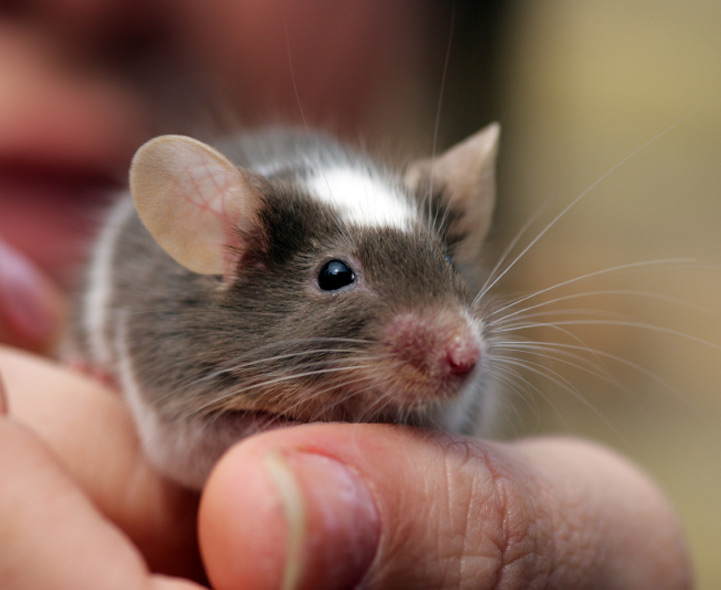
20kg
20g
2kg
2g
Mice are very light and certainly wouldn't weigh kilograms!
Question 3
How heavy might the toy truck be?

300kg
300g
3g
30kg
The truck is probably less than a kilogram
Question 4
How heavy might one of these apples be?

60g
60kg
6g
6kg
Most apples are less than 100g
Question 5
How much might one of these books weigh?

300kg
300g
3g
3kg
An average book weighs less than a kilogram
Question 6
How heavy might one of the lunch boxes be?

10kg
10g
100kg
1kg
The lunch box would be too heavy to carry if it was 100kg!
Question 7
How much could the go kart weigh?
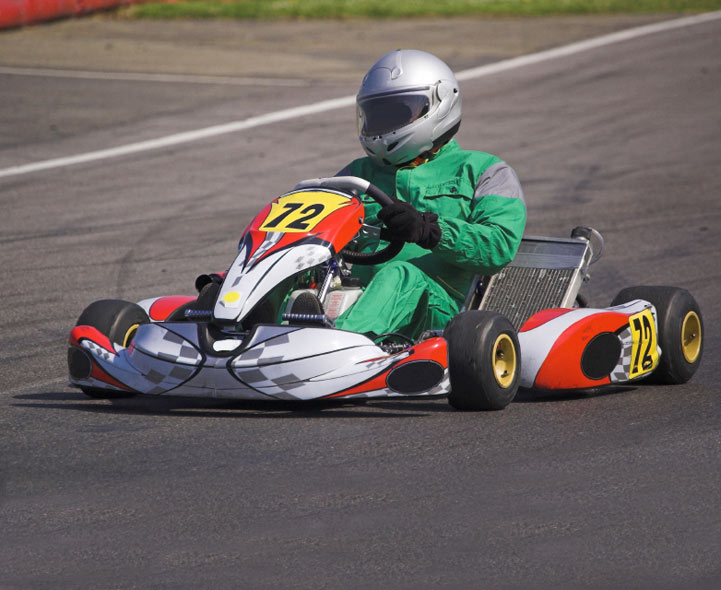
80g
8g
8kg
80kg
All the other weights are far too light
Question 8
How heavy could this elephant be?
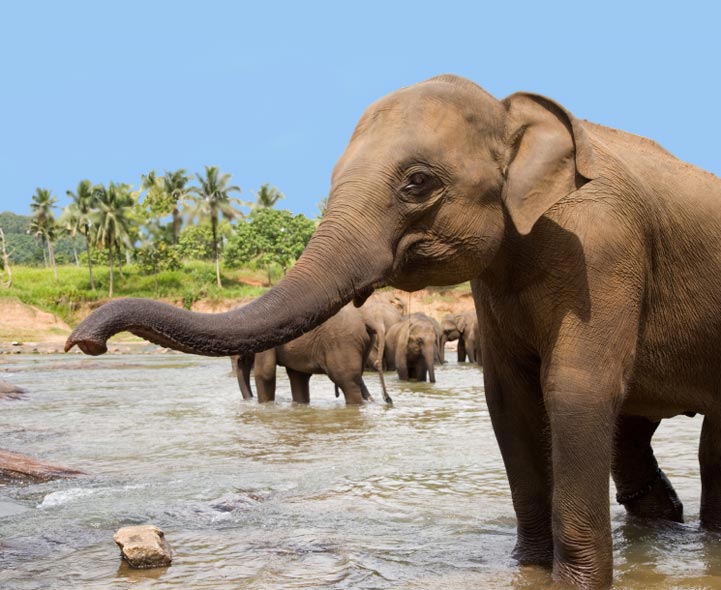
5g
500g
5kg
5000kg
Elephants are very heavy indeed!
Question 9
How much might these children weigh altogether?

100g
100kg
1000kg
10g
Each child could have an average weight of 25kg, so 4 of them would weigh 100kg
Question 10
How much might this butterfly weigh?
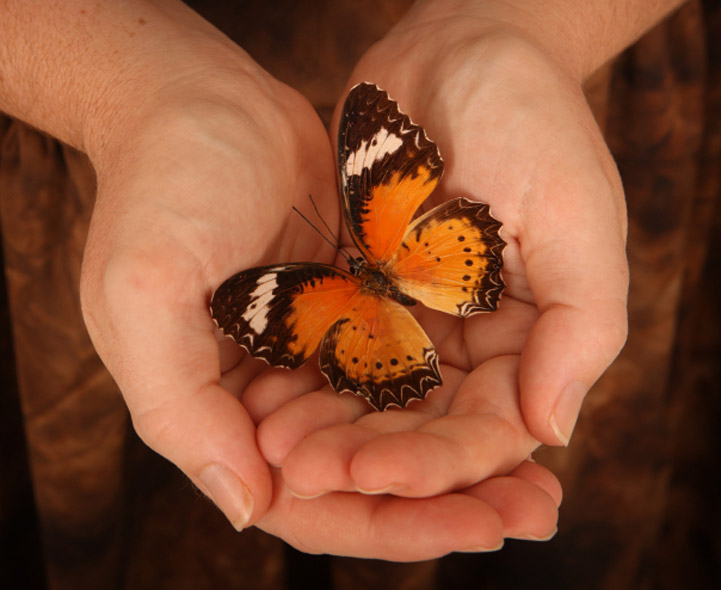
1g
1kg
10kg
100g
Butterflies have to be very light in order to fly!
Our Social Circles




**Unlimited Quizzes Await You! 🚀**
Hey there, quiz champ! 🌟 You've already tackled today's free questions.
Ready for more?
Ready for more?
🔓 Unlock UNLIMITED Quizzes and challenge yourself every day. But that's
not all...
not all...
🔥 As a Subscriber you can join our thrilling "Daily Streak" against other
quizzers. Try to win a coveted spot on our Hall of Fame Page.
quizzers. Try to win a coveted spot on our Hall of Fame Page.
Don't miss out! Join us now and keep the fun rolling. 🎉
**Unlimited Quizzes Await You! 🚀**
Hey there, quiz champ! 🌟 You've already tackled today's free questions. Ready for more?
🔓 Unlock UNLIMITED Quizzes and challenge yourself every day. But that's not all...
🔥 As a Subscriber you can join our thrilling "Daily Streak" against other quizzers. Try to win a coveted spot on our Hall of Fame Page.
Don't miss out! Join us now and keep the fun rolling. 🎉
© Copyright 2016-2026 - Education Quizzes
Work Innovate Ltd - Design | Development |
Marketing
