




Ask the AI Tutor
Need help with Musical Elements? Ask our AI Tutor!
AI Tutor - Lucy
Connecting with Tutor...
Please wait while we establish connection
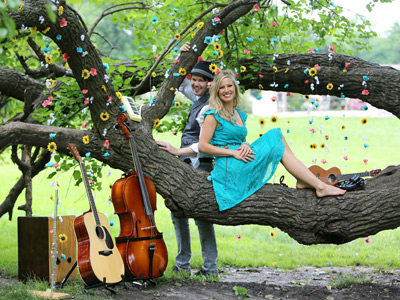
Timbre describes the sound quality of a specific instrument.
Musical Elements
Explore the KS2 musical elements that shape every piece, like tempo, pitch and dynamics. Learn to describe what you hear, then test your understanding in the quiz.
1 .
In music, 'texture' refers to ____.
the combination of different sounds happening at the same time
whether the musicians are playing in time
whether the musicians are playing in tune
how long a piece of music lasts
Imagine the sound of a single violin note. Then combine it with the beat of a drum and the pluck of a harp. The sound becomes 'textured'
2 .
Which phrase best describes rhythm?
The pattern made by long notes, short notes and silence
A steady beat
An entire piece of music
A musical performance that makes you want to dance
Although it has a beat, rhythm is not the beat, but a pattern of notes and silences
3 .
Pitch describes ____.
how long a note lasts
the loudness or quietness of a note
whether a note has a high or low sound
whether music is fast or slow
Some people have perfect pitch which means that they always know what note is being played
4 .
To which of these would you tap your toe?
Pitch
Volume
Beat
Tempo
Another word for beat is pulse - tempo describes how fast or slow this pulse is
5 .
Which of these words describes the volume of a note or musical phrase?
Tempo
Dynamics
Timbre
Duration
Remember - 'volume' in music means how loud or quiet a note is. Just think of the volume control on an MP3 or stereo
6 .
Which of the following is NOT an element of music?
Symphony
Pitch
Tempo
Timbre
A symphony is a piece of music played by an orchestra
7 .
Which of these is NOT a dynamic instruction?
Pianissimo
Concerto
Forte
Piano
Dynamic instructions are given in Italian. Pianissimo means 'very soft', piano is 'soft' and forte means 'loud' or 'strong'
8 .
Adagio, allegro and lento are words which tell a musician ____.
how loudly to play
how smoothly to play
what notes to play
what speed to play
Sometimes a piece of music needs to be played fast, especially if it's lively
9 .
Timbre describes ____.
the sound different instruments make when they are played together
the pitch of an instrument
the volume of a specific instrument
the sound quality of a specific instrument
Different instruments make different types of sounds - you can always tell the difference between the sound of a violin and the sound of a trombone, or the sound of a guitar and that of a flute
10 .
What is duration?
How high a note is
How many instruments are playing together
How long a note lasts
Harmony
Some notes last longer than others
Our Social Circles




**Unlimited Quizzes Await You! 🚀**
Hey there, quiz champ! 🌟 You've already tackled today's free questions.
Ready for more?
Ready for more?
🔓 Unlock UNLIMITED Quizzes and challenge yourself every day. But that's
not all...
not all...
🔥 As a Subscriber you can join our thrilling "Daily Streak" against other
quizzers. Try to win a coveted spot on our Hall of Fame Page.
quizzers. Try to win a coveted spot on our Hall of Fame Page.
Don't miss out! Join us now and keep the fun rolling. 🎉
**Unlimited Quizzes Await You! 🚀**
Hey there, quiz champ! 🌟 You've already tackled today's free questions. Ready for more?
🔓 Unlock UNLIMITED Quizzes and challenge yourself every day. But that's not all...
🔥 As a Subscriber you can join our thrilling "Daily Streak" against other quizzers. Try to win a coveted spot on our Hall of Fame Page.
Don't miss out! Join us now and keep the fun rolling. 🎉
© Copyright 2016-2026 - Education Quizzes
Work Innovate Ltd - Design | Development |
Marketing
