




Ask the AI Tutor
Need help with 11 Times Table? Ask our AI Tutor!
AI Tutor - Lucy
Connecting with Tutor...
Please wait while we establish connection
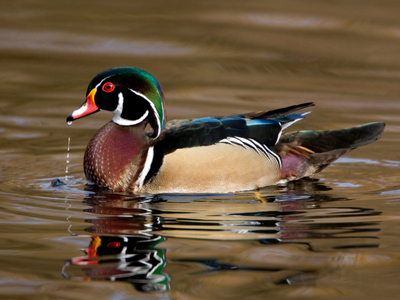
Do you think the number 2 resembles a duck?
11 Times Table
The 11 times table is full of friendly patterns. Use it in KS2 to multiply and divide quickly, spot number links, and solve real problems with totals and equal groups.
1 .
8 x 11 =
81
88
89
98
2 .
11 x 12 =
112
132
144
157
3 .
11 x 4 =
41
43
44
49
4 .
2 x 11 =
19
20
21
22
In bingo, 22 is sometimes called two little ducks because the numbers look a little like ducks
5 .
5 x 11 =
51
56
59
55
For single figures, you can simply change the '11' into the same numbers as you're multiplying them by. So 11 becomes 55. Easy!
6 .
11 x 7 =
77
71
75
79
7 .
11 x 9 =
91
99
101
111
A 99 is an ice-cream with a chocolate flake sticking out! Yum
8 .
3 x 11 =
31
33
35
37
3 x 11 is the same as writing 11 + 11 + 11
9 .
11 x 11 =
118
119
120
121
For these double figures, it's worth working out 10 x 11 and then simply adding another 11 onto the total
10 .
6 x 11 =
66
65
63
61
Our Social Circles




**Unlimited Quizzes Await You! 🚀**
Hey there, quiz champ! 🌟 You've already tackled today's free questions.
Ready for more?
Ready for more?
🔓 Unlock UNLIMITED Quizzes and challenge yourself every day. But that's
not all...
not all...
🔥 As a Subscriber you can join our thrilling "Daily Streak" against other
quizzers. Try to win a coveted spot on our Hall of Fame Page.
quizzers. Try to win a coveted spot on our Hall of Fame Page.
Don't miss out! Join us now and keep the fun rolling. 🎉
**Unlimited Quizzes Await You! 🚀**
Hey there, quiz champ! 🌟 You've already tackled today's free questions. Ready for more?
🔓 Unlock UNLIMITED Quizzes and challenge yourself every day. But that's not all...
🔥 As a Subscriber you can join our thrilling "Daily Streak" against other quizzers. Try to win a coveted spot on our Hall of Fame Page.
Don't miss out! Join us now and keep the fun rolling. 🎉
© Copyright 2016-2026 - Education Quizzes
Work Innovate Ltd - Design | Development |
Marketing
