




Ask the AI Tutor
Need help with Words beginning with cl...? Ask our AI Tutor!
AI Tutor - Lucy
Connecting with Tutor...
Please wait while we establish connection
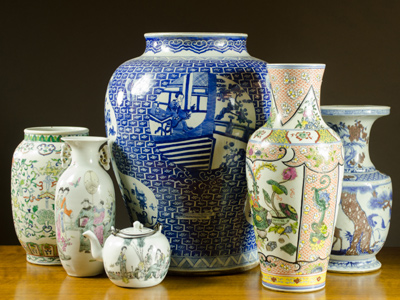
These pots form a collection.
Words beginning with cl...
Strengthen your KS3 spelling by exploring words that begin with cl-. Notice how small vowel changes after cl- create very different sounds, spellings and meanings in everyday vocabulary.
1 .
Click the correct answer for the following definition.
To adorn, to cover, to dress
To adorn, to cover, to dress
clough
cloth
clothe
clauth
Remembering the different vowel sounds in "cloth" and "clothe" should help you to remember the spellings
2 .
Click the correct answer for the following definition.
Whenever any one or more species populate an area
Whenever any one or more species populate an area
collernisation
colenisation
colonisation
colunisation
If you can remember how to spell "colony", you will have a head start on "colonisation"
3 .
Click the correct answer for the following definition.
Weather and other atmospheric conditions in a given area or country
Weather and other atmospheric conditions in a given area or country
climbate
clymaite
climait
climate
Which letter of "climate" is the most difficult to remember?
4 .
Click the correct answer for the following definition.
To ascend; to go up
To ascend; to go up
clymb
climbe
climb
clime
The letter b after the m can be a bit of a surprise! Can you think of other words with this letter combination?
5 .
Click the correct answer for the following definition.
To come together
To come together
coelese
coalese
coalesce
coalesc
The s sound is made with an -sc- in this word
6 .
Click the correct answer for the following definition.
Composed of large parts or particles
Composed of large parts or particles
corse
cause
coarse
caurse
"Coarse" and "course" are homophones
7 .
Click the correct answer for the following definition.
A group of organisms of the same type living or growing together
A group of organisms of the same type living or growing together
colony
colany
collony
colerny
The unstressed second syllable is the trickiest part of this word
8 .
Click the correct answer for the following definition.
A work of formal art, primarily in the visual arts, made from an assemblage of different forms
A work of formal art, primarily in the visual arts, made from an assemblage of different forms
colledge
colage
coledge
collage
The -age ending is important to remember
9 .
Click the correct answer for the following definition.
A woven fabric such as used in dressing, cleaning or other practical use
A woven fabric such as used in dressing, cleaning or other practical use
clough
clothe
clauth
cloth
Try not to confuse the verb, "to clothe", with the noun, "cloth".
10 .
Click the correct answer for the following definition.
Several things grouped together or considered as a whole
Several things grouped together or considered as a whole
collectien
colectien
collection
caulection
"Collection" and "collect" are related
Our Social Circles




**Unlimited Quizzes Await You! 🚀**
Hey there, quiz champ! 🌟 You've already tackled today's free questions.
Ready for more?
Ready for more?
🔓 Unlock UNLIMITED Quizzes and challenge yourself every day. But that's
not all...
not all...
🔥 As a Subscriber you can join our thrilling "Daily Streak" against other
quizzers. Try to win a coveted spot on our Hall of Fame Page.
quizzers. Try to win a coveted spot on our Hall of Fame Page.
Don't miss out! Join us now and keep the fun rolling. 🎉
**Unlimited Quizzes Await You! 🚀**
Hey there, quiz champ! 🌟 You've already tackled today's free questions. Ready for more?
🔓 Unlock UNLIMITED Quizzes and challenge yourself every day. But that's not all...
🔥 As a Subscriber you can join our thrilling "Daily Streak" against other quizzers. Try to win a coveted spot on our Hall of Fame Page.
Don't miss out! Join us now and keep the fun rolling. 🎉
© Copyright 2016-2026 - Education Quizzes
Work Innovate Ltd - Design | Development |
Marketing
