




Ask the AI Tutor
Need help with Case Study Italy (Comparing North and South) 01? Ask our AI Tutor!
AI Tutor - Lucy
Connecting with Tutor...
Please wait while we establish connection
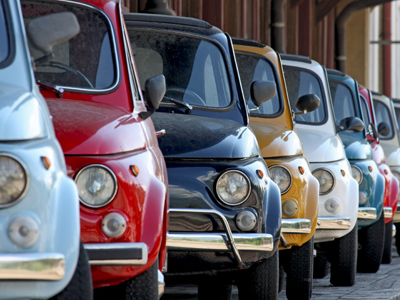
See how much you know about Italy in this enjoyable quiz.
Case Study Italy (Comparing North and South) 01
Explore how northern and southern Italy differ in industry, jobs and landscapes, and why some regions are richer or better connected than others in this KS3 case study.
1 .
What is the main industry in the city of Turin?
Motor vehicles
Oil refining
Paper production
Textile manufacturing
Turin is the home of Fiat cars
2 .
When the south 'closes down' during the afternoon heat it is called what?
Fiesta
Napsta
Semester
Siesta
Italy is not the only country to have a siesta
3 .
Traditionally found in the south, what are Latifundi?
Dry river valleys
Hilltop villages
Large farms belonging to wealthy landowners
Marshy coastal areas
This is why few farmers have owned their own land
4 .
Which fact is true of northern Italy but not the south?
A long history of crime and corruption
Cheap hydro-electric power is available
Mainly unskilled labour
Remote from the main EU markets
The Mafia run organised crime in the south
5 .
Which northern city is a major coastal port?
Bologna
Genoa
Milan
Verona
Genoa is associated with the famous explorers Christopher Columbus and John Cabot
6 .
Which city is not part of northern Italy's 'Industrial Triangle'?
Genoa
Milan
Rome
Turin
It is a lot further south
7 .
Where do most of the south's wealthy landowners live?
In another country
In caravans
In the cities
On their farms
They rent out their land to farmers
8 .
When describing the traditional south of Italy, which of these is false?
Little money is invested in improving the land
Soils are deep and fertile
Summer droughts are common
There are large areas of hilly land
The soils are thin between bare rock outcrops
9 .
The south has traditionally had what type of land use?
Dairy cattle
Fruit and vegetables
Grazing sheep and goats
Rubber plantations
They cope best with the steep, bare slopes
10 .
What are autostradas that help industry in the north?
Groups of skilled workers
Loans to build factories
Motorways
Power stations
The wealthy north Italian markets are linked by them
Our Social Circles




**Unlimited Quizzes Await You! 🚀**
Hey there, quiz champ! 🌟 You've already tackled today's free questions.
Ready for more?
Ready for more?
🔓 Unlock UNLIMITED Quizzes and challenge yourself every day. But that's
not all...
not all...
🔥 As a Subscriber you can join our thrilling "Daily Streak" against other
quizzers. Try to win a coveted spot on our Hall of Fame Page.
quizzers. Try to win a coveted spot on our Hall of Fame Page.
Don't miss out! Join us now and keep the fun rolling. 🎉
**Unlimited Quizzes Await You! 🚀**
Hey there, quiz champ! 🌟 You've already tackled today's free questions. Ready for more?
🔓 Unlock UNLIMITED Quizzes and challenge yourself every day. But that's not all...
🔥 As a Subscriber you can join our thrilling "Daily Streak" against other quizzers. Try to win a coveted spot on our Hall of Fame Page.
Don't miss out! Join us now and keep the fun rolling. 🎉
© Copyright 2016-2026 - Education Quizzes
Work Innovate Ltd - Design | Development |
Marketing
