




Ask the AI Tutor
Need help with The French Revolution 01? Ask our AI Tutor!
AI Tutor - Lucy
Connecting with Tutor...
Please wait while we establish connection
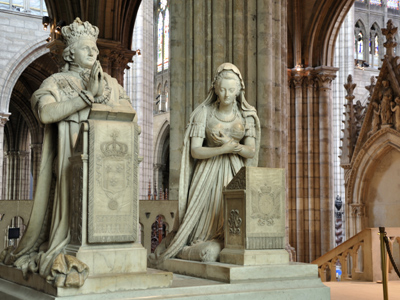
Louis XVI (pictured with his wife, Marie Antoinette) was King when the French Revolution began.
The French Revolution 01
The French Revolution erupted when ordinary people grew angry about high taxes, food shortages and unfair privileges for nobles and clergy, demanding a fairer system of government.
1 .
What was the name for the outdated and unfair system of rule in France?
Ancien Regime
Mal Politique
Systeme Gauche
Vieux Ordre
This came to an end with the French Revolution
2 .
The French Revolution began in which year?
1781
1784
1789
1792
The first act of violence was the storming of the Bastille Prison in Paris
3 .
Who was King of France at that time?
Louis XIV
Louis XV
Louis XVI
Louis XVIII
He became King in 1774 aged 19
4 .
Louis XVI is best described as what type of ruler?
Absolute
Convolute
Dissolute
Resolute
He had no parliament to share his power
5 .
The French Revolution was inspired by which event?
The American War of Independence
The Gunpowder Plot
The Peasants' Revolt
The Seven Years' War
French soldiers had helped throw the British out of America
6 .
How many 'Estates' was France divided into?
2
3
4
6
Only the third estate was required to pay taxes
7 .
What was the First Estate?
The Church
The nobility
The peasants
The Royal Family
Also referred to as the clergy
8 .
Which of the following groups of people were not part of the Third Estate?
Landless labourers
Professional people
The nobility
Town workers
The nobility formed the Second Estate
9 .
Who was the wife of Louis XVI?
Marie Angelique
Marie Antoinette
Marie Helene
Marie Therese
She was Austrian and accused of wasting money
10 .
Louis thought he was God's servant and so ruled by .......
Biblical Authority
Blessed Intervention
Divine Right
Holy Powers
Many other rulers throughout history have also believed the same
Our Social Circles




**Unlimited Quizzes Await You! 🚀**
Hey there, quiz champ! 🌟 You've already tackled today's free questions.
Ready for more?
Ready for more?
🔓 Unlock UNLIMITED Quizzes and challenge yourself every day. But that's
not all...
not all...
🔥 As a Subscriber you can join our thrilling "Daily Streak" against other
quizzers. Try to win a coveted spot on our Hall of Fame Page.
quizzers. Try to win a coveted spot on our Hall of Fame Page.
Don't miss out! Join us now and keep the fun rolling. 🎉
**Unlimited Quizzes Await You! 🚀**
Hey there, quiz champ! 🌟 You've already tackled today's free questions. Ready for more?
🔓 Unlock UNLIMITED Quizzes and challenge yourself every day. But that's not all...
🔥 As a Subscriber you can join our thrilling "Daily Streak" against other quizzers. Try to win a coveted spot on our Hall of Fame Page.
Don't miss out! Join us now and keep the fun rolling. 🎉
© Copyright 2016-2026 - Education Quizzes
Work Innovate Ltd - Design | Development |
Marketing
