




Ask the AI Tutor
Need help with British Birds - Finches? Ask our AI Tutor!
AI Tutor - Lucy
Connecting with Tutor...
Please wait while we establish connection
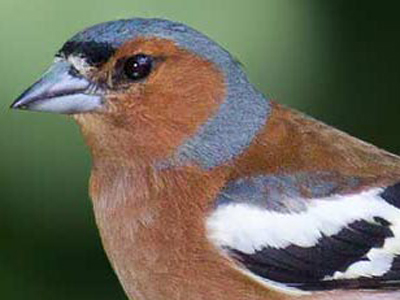
This is the most common finch found in the British Isles but what is it?
British Birds - Finches
Finches are small songbirds with chunky beaks. Learn how they feed, flock, and sing, and how to spot common finches in gardens and woodlands.
To see a larger image, click on the picture.
1 .
What is the name of this bird?
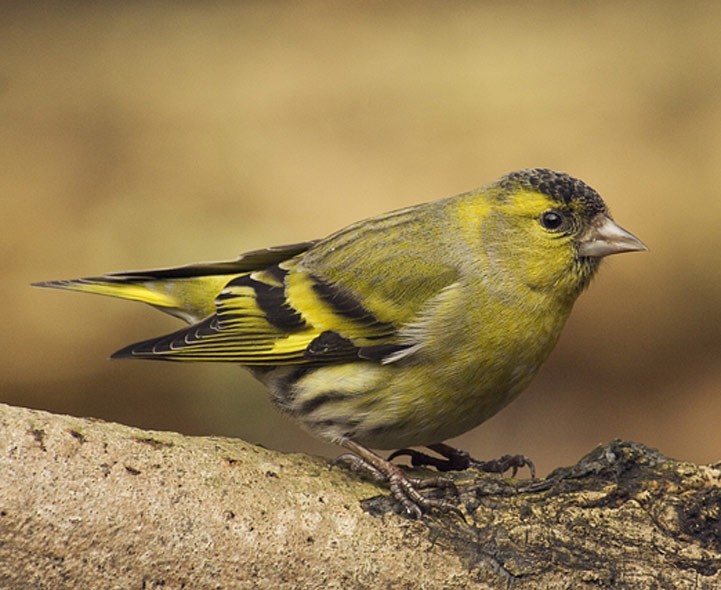
Photograph courtesy of Stawek Staszczuk
Eurasian Bullfinch
Eurasian Linnet
European Goldfinch
Eurasian Siskin
- Group: Finches
- Binomial: Carduelis spinus
- Order: Passeriformes
- Family: Fringillidae
- Status: Resident Breeding Species And Winter Visitor
- It has a distinctly forked tail and a long narrow bill.
- This small bird is an acrobatic feeder, often hanging upside-down.
- It will visit garden bird feeding stations.
2 .
What is the name of this bird?
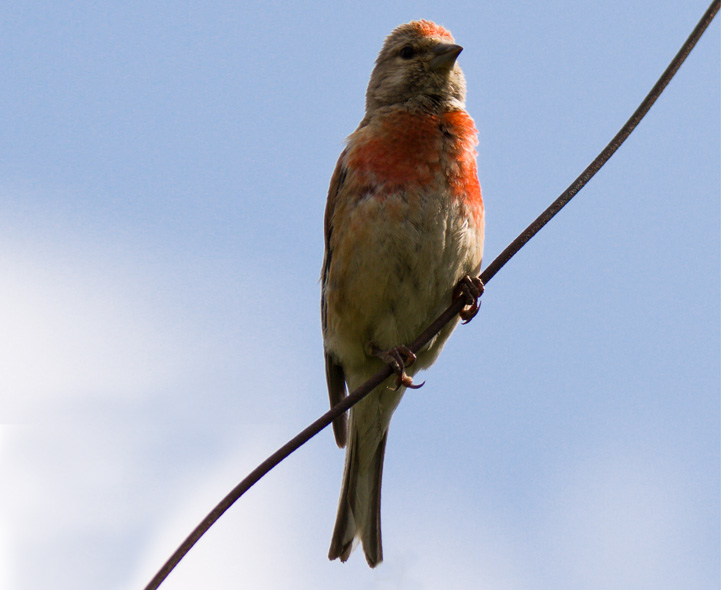
Photograph courtesy of Pankratov-p
Eurasian Bullfinch
Eurasian Linnet
Brambling
European Greenfinch
- Group: Finches
- Binomial: Carduelis cannabina
- Order: Passeriformes
- Family: Fringillidae
- Status: Resident Breeding Species
- Once very popular as a cage bird because of its melodious song.
- They are sometimes found several hundred miles at sea.
- The bird's name has become the nickname of King's Lynn Football Club.
3 .
What is the name of this bird?
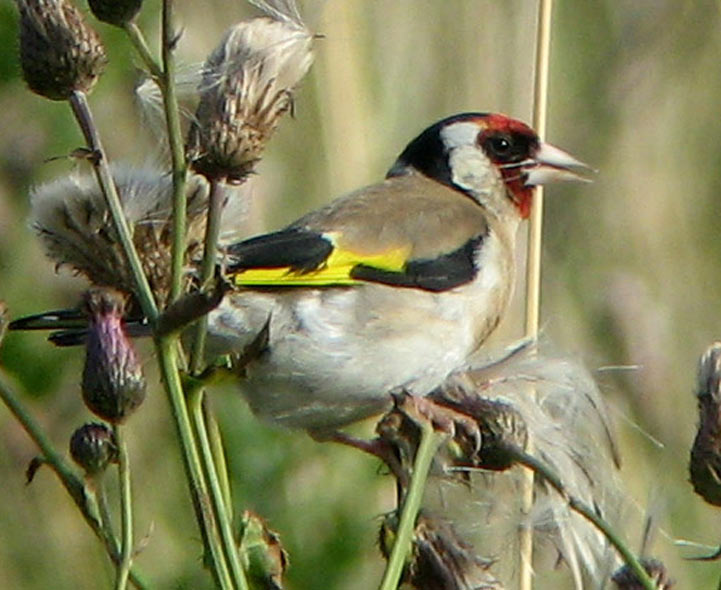
Photograph courtesy of MPF
Eurasian Bullfinch
Eurasian Siskin
European Goldfinch
Lesser Redpoll
- Group: Finches
- Binomial: Carduelis carduelis
- Order: Passeriformes
- Family: Fringillidae
- Status: Resident Breeding Species
- Look for the bright red face and striking white, gold, black and brown on the rest of the body.
- A group of them are called a "Charm".
- Put out Niger seed to attract them to your birdtable.
4 .
What is the name of this bird?
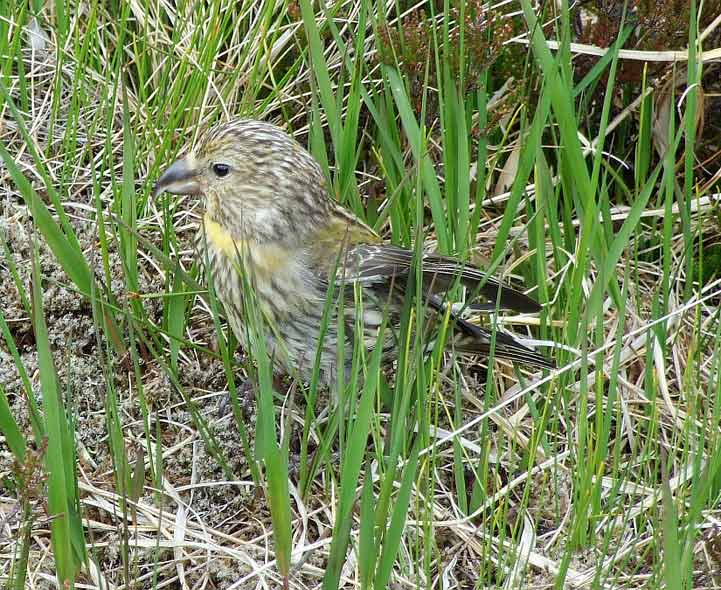
Photograph courtesy of Stuant63
Scottish Crossbill
Eurasian Bullfinch
Eurasian Siskin
European Goldfinch
- Group: Finches
- Binomial: Loxia scotica
- Order: Passeriformes
- Family: Fringillidae
- Status: Resident Breeding Species
- It is the UK's only endemic bird species (ie one found nowhere else in the world).
- It nests in pines or other conifers.
5 .
What is the name of this bird?
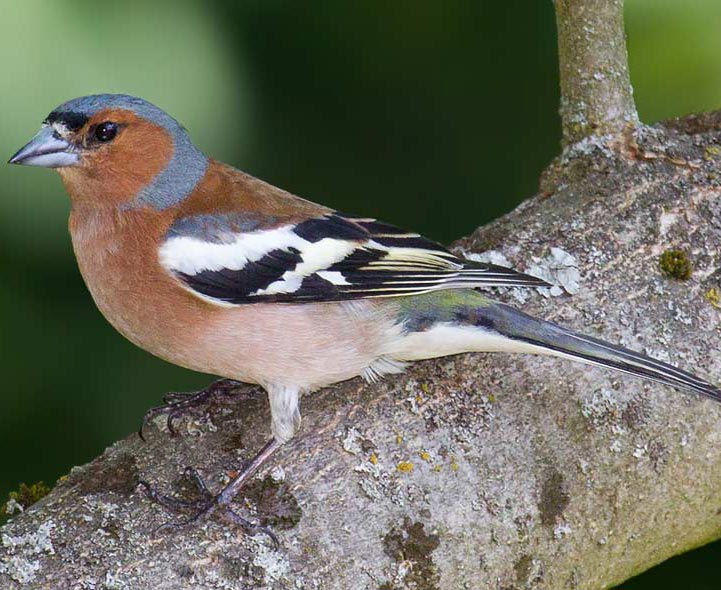
Photograph courtesy of http://photo-natur.de/
Chaffinch
European Goldfinch
Eurasian Bullfinch
Common Crossbill
- Group: Finches
- Binomial: Fringilla coelebs
- Order: Passeriformes
- Family: Fringillidae
- Status: Resident Breeding Species
- Look for the distinctive white wing bars on both males and females
- Females and young have more subdued colours
- The most common finch found in the British Isles
6 .
What is the name of this bird?
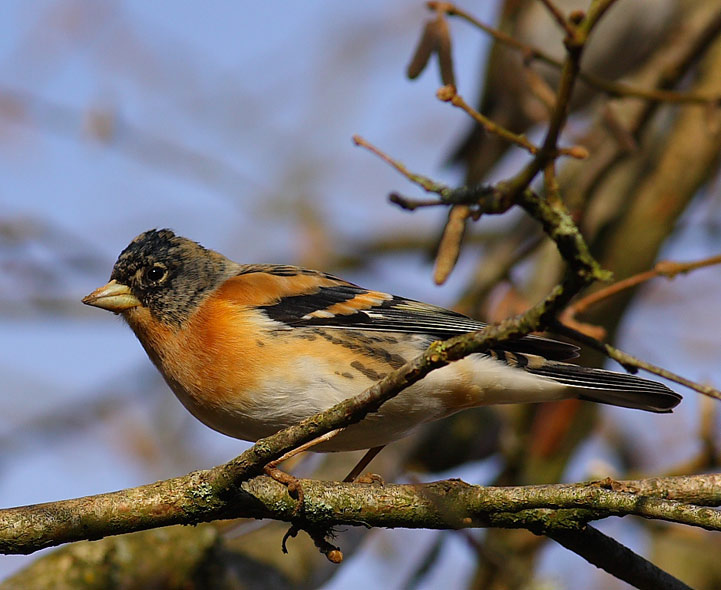
Photograph courtesy of http://www.marekszczepanek.pl/
Brambling
European Goldfinch
Lesser Redpoll
European Greenfinch
- Group: Finches
- Binomial: Fringilla montifringilla
- Order: Passeriformes
- Family: Fringillidae
- Status: Winter Visitor
- This species is almost entirely migratory.
- In Europe, it forms large flocks in the winter, sometimes with thousands or even millions of birds in a single flock.
- It has been called Cock o' the North.
7 .
What is the name of this bird?
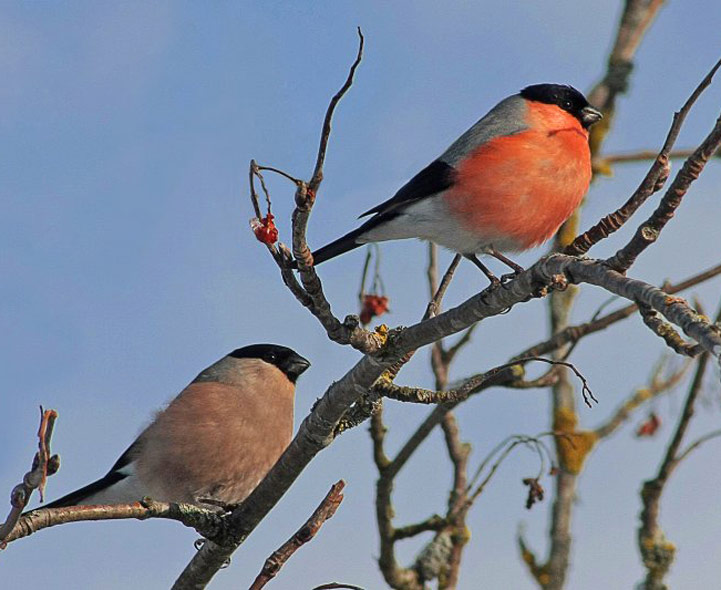
Photograph courtesy of http://piqs.de/user/Geli/
Chaffinch
Eurasian Siskin
Eurasian Bullfinch
Common Crossbill
- Group: Finches
- Binomial: Pyrrhula pyrrhula
- Order: Passeriformes
- Family: Fringillidae
- Status: Resident Breeding Species
- It is a quiet, secretive but heavily built bird.
- In keeping with its quiet nature, the song is a quiet warble.
- Its call is a piped 'phew'.
- Look for at woodland edges.
8 .
What is the name of this bird?
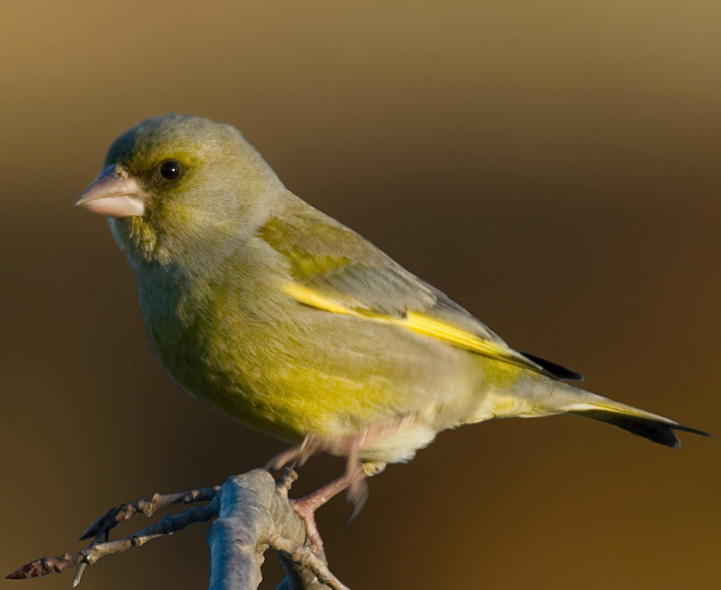
Photograph courtesy of http://photo-natur.de/
Lesser Redpoll
Chaffinch
Eurasian Linnet
European Greenfinch
- Group: Finches
- Binomial: Carduelis chloris
- Order: Passeriformes
- Family: Fringillidae
- Status: Resident Breeding Species
- The vivid green and yellow plumage on adult birds tends to fade in winter
- Young birds are rather dull looking and can easily be mistaken for Sparrows
- Loves to pick the peanuts and sunflower seeds from birdtables
9 .
What is the name of this bird?
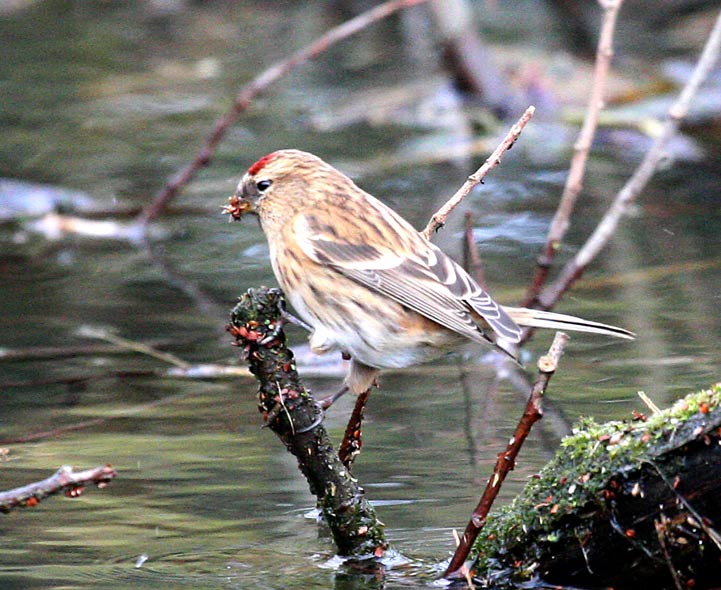
Photograph courtesy of Lawrie Phipps
Brambling
Eurasian Linnet
European Goldfinch
Lesser Redpoll
- Group: Finches
- Binomial: Carduelis cabaret
- Order: Passeriformes
- Family: Fringillidae
- Status: Resident Breeding Species
- It is a sociable bird which usually forages in flocks.
- Breeding pairs form in late winter. The breeding territory and several pairs will often nest close together in a loose colony.
10 .
What is the name of this bird?
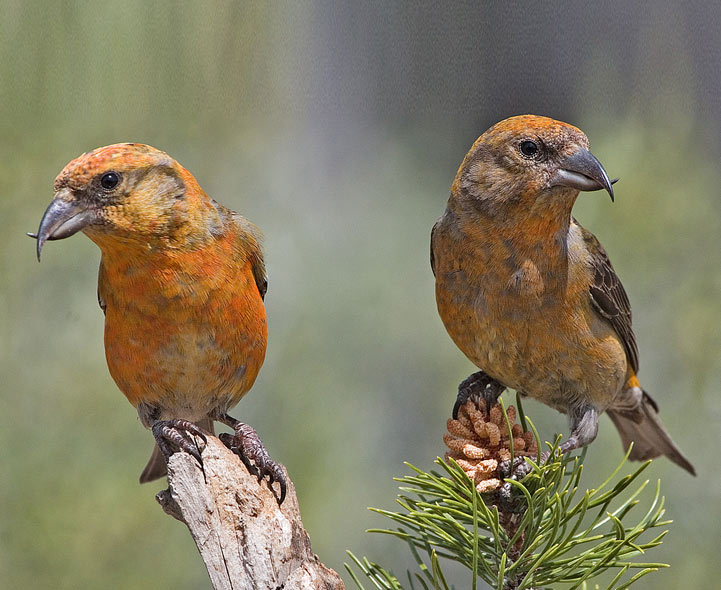
Photograph courtesy of http://www.naturespicsonline.com/
Common Crossbill
Eurasian Siskin
Eurasian Bullfinch
European Goldfinch
- Group: Finches
- Binomial: Loxia curvirostra
- Order: Passeriformes
- Family: Fringillidae
- Status: Resident Breeding Species
- Its bill is crossed over at the tips.
- Most often encountered in noisy family groups or larger flocks, usually flying close to treetop height.
- It feeds acrobatically, fluttering from cone to cone.
Did you know that finches are amongst the most popular birds kept as pets? If you have an interest in cage birds then you might like to visit birdcages.net where you will find a wealth of fascinating information.



**Unlimited Quizzes Await You! 🚀**
Hey there, quiz champ! 🌟 You've already tackled today's free questions.
Ready for more?
Ready for more?
🔓 Unlock UNLIMITED Quizzes and challenge yourself every day. But that's
not all...
not all...
🔥 As a Subscriber you can join our thrilling "Daily Streak" against other
quizzers. Try to win a coveted spot on our Hall of Fame Page.
quizzers. Try to win a coveted spot on our Hall of Fame Page.
Don't miss out! Join us now and keep the fun rolling. 🎉
**Unlimited Quizzes Await You! 🚀**
Hey there, quiz champ! 🌟 You've already tackled today's free questions. Ready for more?
🔓 Unlock UNLIMITED Quizzes and challenge yourself every day. But that's not all...
🔥 As a Subscriber you can join our thrilling "Daily Streak" against other quizzers. Try to win a coveted spot on our Hall of Fame Page.
Don't miss out! Join us now and keep the fun rolling. 🎉




© Copyright 2016-2026 - Education Quizzes
Work Innovate Ltd - Design | Development |
Marketing
