




Ask the AI Tutor
Need help with British Birds - Sandpiper Relatives? Ask our AI Tutor!
AI Tutor - Lucy
Connecting with Tutor...
Please wait while we establish connection
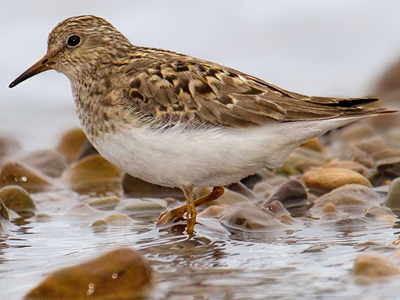
Not easy to identify as only two or three birds nest at a secret location in the Scottish Highlands.
British Birds - Sandpiper Relatives
Sandpipers and their relatives are shorebirds that feed along coasts, lakes and marshes. Test your knowledge of these slim, quick waders.
To see a larger image, click on the picture.
1 .
What is the name of this bird?
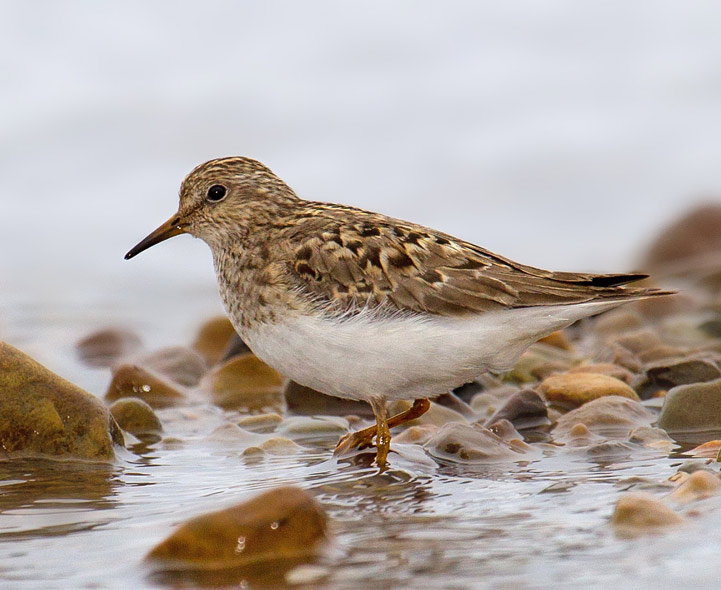
Photograph courtesy of http://photo-natur.de/
Spotted Redshank
Red-necked Phalarope
Temminck's Stint
Common Redshank
- Group: Sandpipers and allies
- Binomial: Calidris temminckii
- Order: Charadriiformes
- Family: Scolopacidae
- Status: Winter Visitor & Passage Migrant
- Two or three birds nest at a secret location in the Scottish Highlands, and fewer than 100 birds are seen on migration each year, largely in eastern England.
2 .
What is the name of this bird?
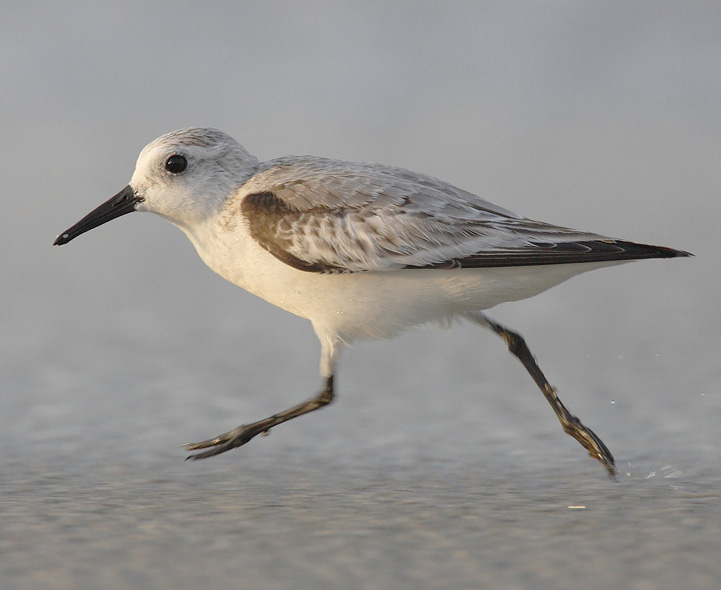
Photograph courtesy of Mdf
Red Knot
Whimbrel
Sanderling
Common Redshank
- Group: Sandpipers and allies
- Binomial: Calidris alba
- Order: Charadriiformes
- Family: Scolopacidae
- Status: Winter Visitor & Passage Migrant
- It can be told from other small wading birds, given good views, by its lack of a hind toe.
- It is a complete migrant, travelling between 3,000 to 10,000 km.
3 .
What is the name of this bird?
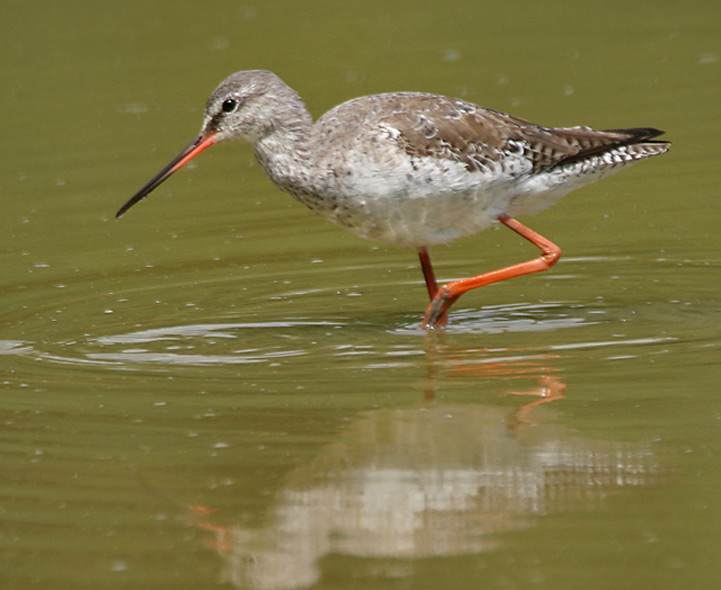
Photograph courtesy of J M Garg
Common Redshank
Spotted Redshank
Red Knot
Turnstone
- Group: Sandpipers and allies
- Binomial: Tringa erythropus
- Order: Charadriiformes
- Family: Scolopacidae
- Status: Winter Visitor And Passage Migrant
- A relatively scarce wintering species in the UK, with over half the population found at fewer than ten sites.
- These birds eat insect larvae, shrimps and worms.
4 .
What is the name of this bird?
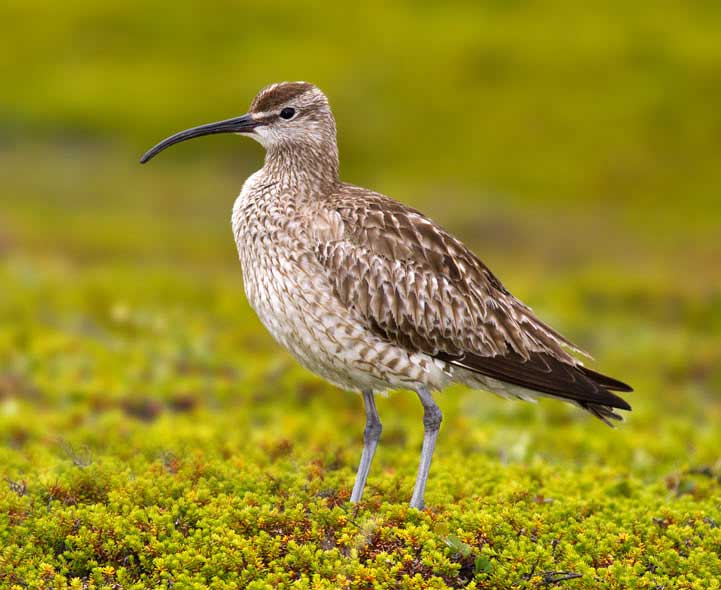
Photograph courtesy of http://photo-natur.de/
Whimbrel
Turnstone
Common Greenshank
Temminck's Stint
- Group: Sandpipers and allies
- Binomial: Numenius phaeopus
- Order: Charadriiformes
- Family: Scolopacidae
- Status: Breeding Summer Visitor
- The nest is a bare scrape on tundra or Arctic moorland.
- Three to five eggs are laid.
- Adults are very defensive of their nesting area and will even attack humans who come too close.
5 .
What is the name of this bird?
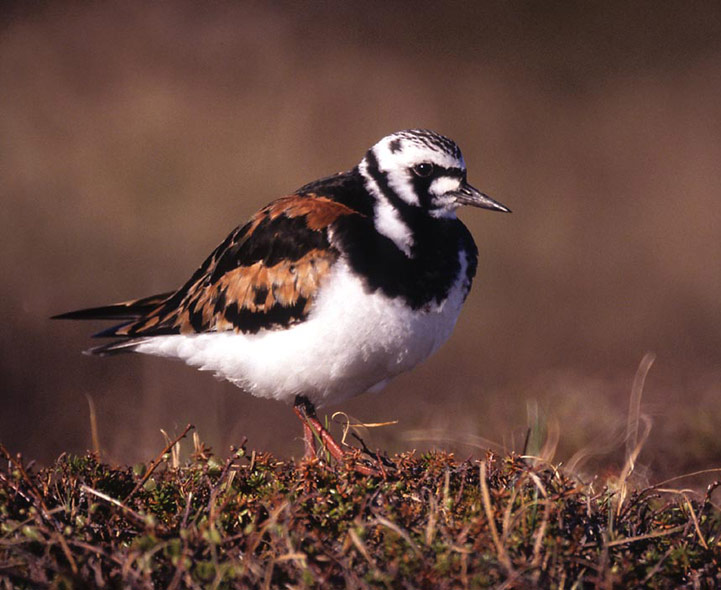
Photograph courtesy of http://www.fws.gov/
Whimbrel
Sanderling
Red Knot
Turnstone
- Group: Sandpipers and allies
- Binomial: Arenaria interpres
- Order: Charadriiformes
- Family: Scolopacidae
- Status: Resident Breeding Species
- They spend most of their time creeping and fluttering over rocks, picking out food from under stones.
- Can be seen all around the UK coastline.
- Will feed along seawalls and jetties.
6 .
What is the name of this bird?
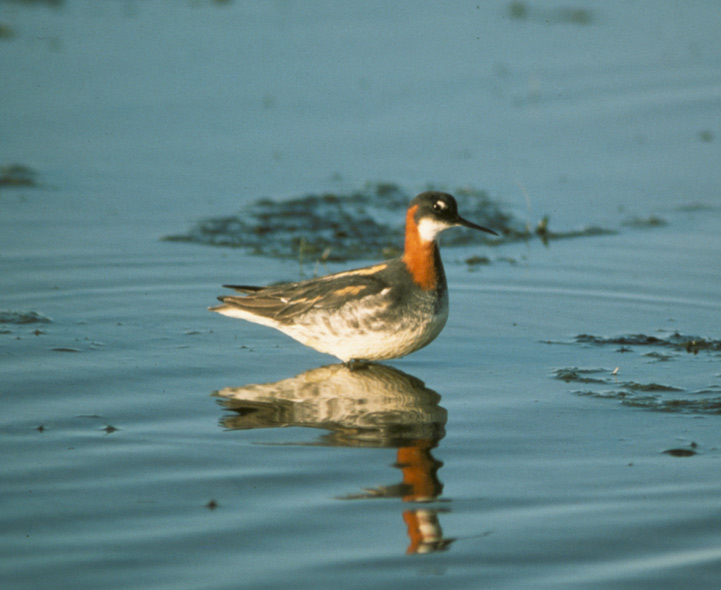
Photograph courtesy of http://www.fws.gov/
Common Greenshank
Red-necked Phalarope
Temminck's Stint
Turnstone
- Group: Sandpipers and allies
- Binomial: Phalaropus lobatus
- Order: Charadriiformes
- Family: Scolopacidae
- Status: Winter Visitor: Scarce & Localised Summer Breeding In Far North
- These small, delicate waders have adapted well to spending a lot of time on water.
- Have lobed toes which enable them to swim strongly when out at sea.
7 .
What is the name of this bird?
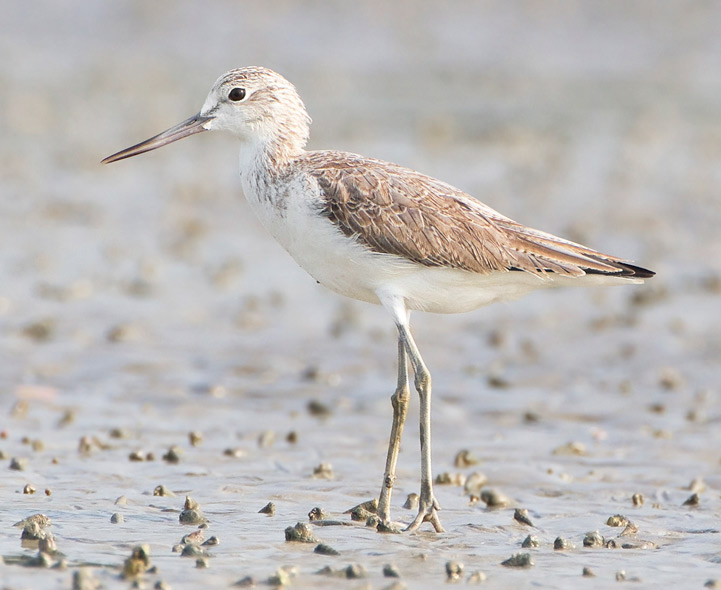
Photograph courtesy of J J Harrison
Whimbrel
Common Greenshank
Spotted Redshank
Red Knot
- Group: Sandpipers and allies
- Binomial: Tringa nebularia
- Order: Charadriiformes
- Family: Scolopacidae
- Status: Resident Breeding Species And Passage Migrant
- The usual call is a rapid series of three short fluty notes syllabilized as 'teu-teu-teu'.
- Like most waders, they feed on small invertebrates.
8 .
What is the name of this bird?
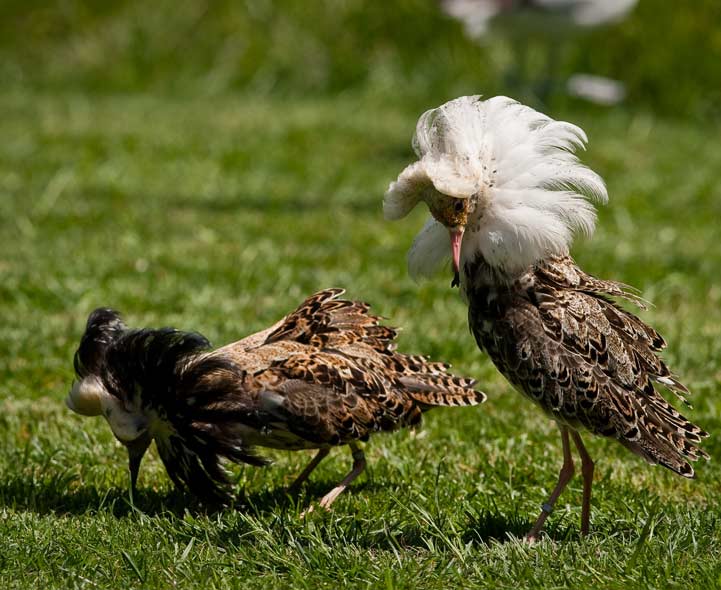
Photograph courtesy of Arjan Haverkamp
Red-necked Phalarope
Ruff
Spotted Redshank
Common Greenshank
- Group: Sandpipers and allies
- Binomial: Philomachus pugnax
- Order: Charadriiformes
- Family: Scolopacidae
- Status: Passage Migrant And Scarce Breeding Resident
- It is highly gregarious on migration, travelling in large flocks that can contain thousands of individuals. One flock in Senegal contained a million birds.
9 .
What is the name of this bird?
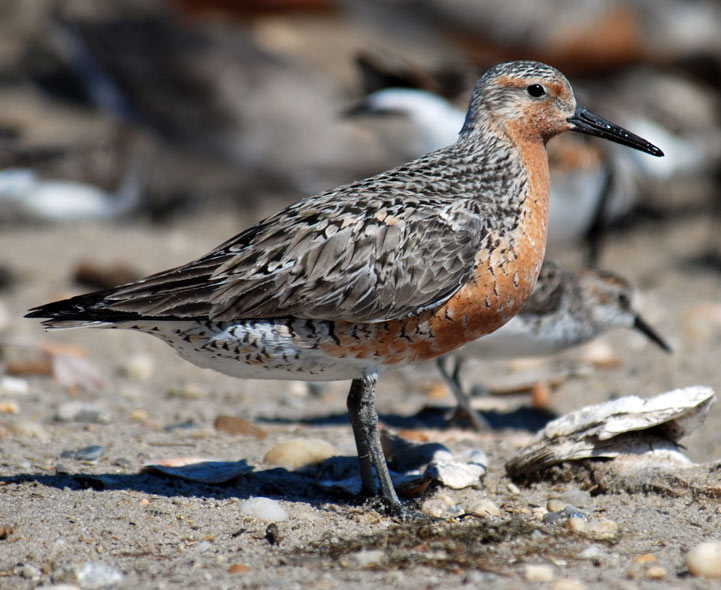
Photograph courtesy of http://www.fws.gov/
Common Redshank
Red Knot
Spotted Redshank
Whimbrel
- Group: Sandpipers and allies
- Binomial: Calidris canutus
- Order: Charadriiformes
- Family: Scolopacidae
- Status: Winter Visitor And Passage Migrant
- Their diet varies according to season; arthropods and larvae are the preferred food items at the breeding grounds.
- This species forms enormous flocks when not breeding.
10 .
What is the name of this bird?
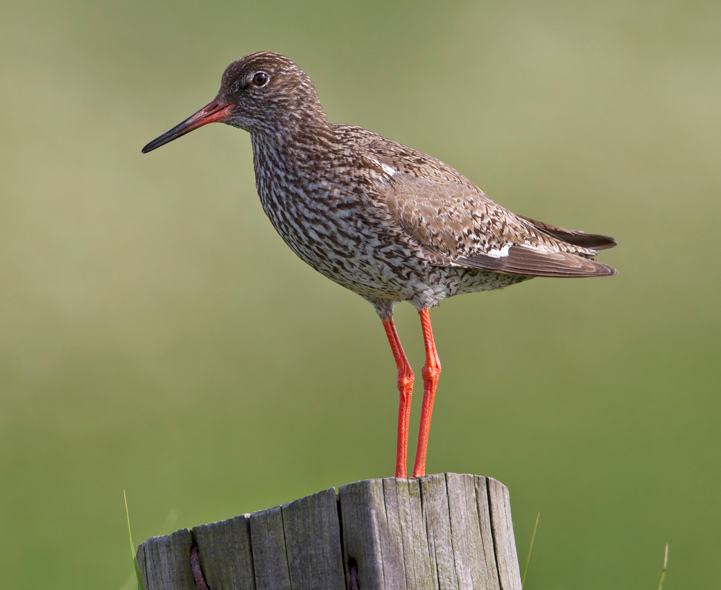
Photograph courtesy of http://photo-natur.de/
Whimbrel
Common Redshank
Turnstone
Common Greenshank
- Group: Sandpipers and allies
- Binomial: Tringa totanus
- Order: Charadriiformes
- Family: Scolopacidae
- Status: Resident Breeding Species
- A medium-sized wading bird.
- In winter, as many as half of the birds in Britain may be from Iceland.
- It is an abundant and widespread wading bird on coasts - look for it at RSPB coastal reserves.



**Unlimited Quizzes Await You! 🚀**
Hey there, quiz champ! 🌟 You've already tackled today's free questions.
Ready for more?
Ready for more?
🔓 Unlock UNLIMITED Quizzes and challenge yourself every day. But that's
not all...
not all...
🔥 As a Subscriber you can join our thrilling "Daily Streak" against other
quizzers. Try to win a coveted spot on our Hall of Fame Page.
quizzers. Try to win a coveted spot on our Hall of Fame Page.
Don't miss out! Join us now and keep the fun rolling. 🎉
**Unlimited Quizzes Await You! 🚀**
Hey there, quiz champ! 🌟 You've already tackled today's free questions. Ready for more?
🔓 Unlock UNLIMITED Quizzes and challenge yourself every day. But that's not all...
🔥 As a Subscriber you can join our thrilling "Daily Streak" against other quizzers. Try to win a coveted spot on our Hall of Fame Page.
Don't miss out! Join us now and keep the fun rolling. 🎉




© Copyright 2016-2026 - Education Quizzes
Work Innovate Ltd - Design | Development |
Marketing
